

Best Beeswax Candles Exporter: Discover Quality, Sustainability, and Craftsmanship
2026-08-02
In a world where mass-produced goods dominate, finding a supplier that truly values quality, sustainability, and craftsmanship can feel like a rare discovery. At XUSHI, these principles are not just ideals but the very foundation of every beeswax candle we export. Whether you're a retailer seeking an eco-friendly product or a conscious consumer drawn to the warm, pure glow of natural wax, our story is one of dedication to both art and earth. Join us as we explore what makes our beeswax candles stand out in the global market—no tricks, no greenwashing, just honest craft.
The Art of Pure Beeswax: What Sets Our Candles Apart
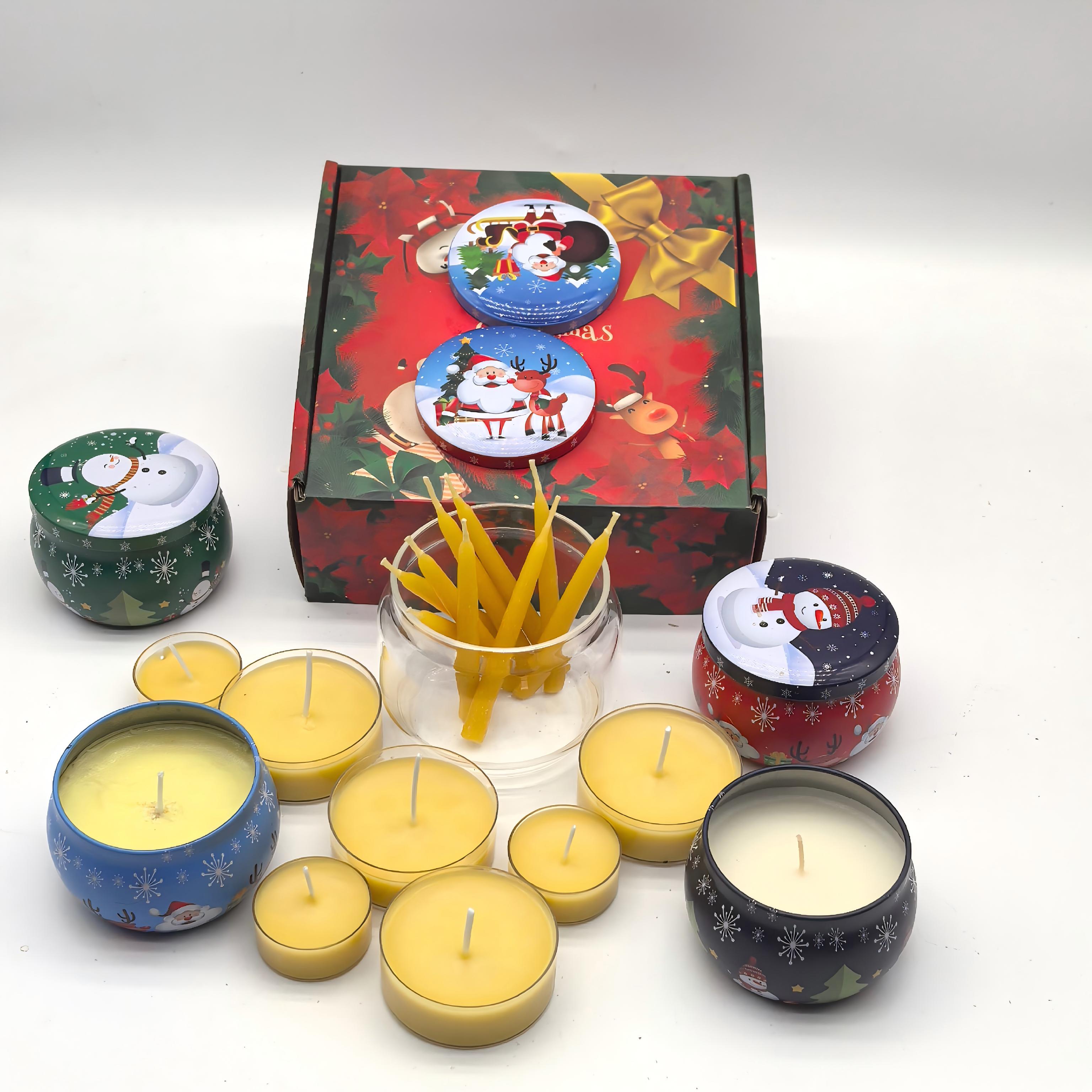
There’s a quiet magic in how light moves through a beeswax candle—soft as filtered honey, warm as sun through a window. It’s not just illumination; it’s a presence. What makes ours different begins long before the wick is ever lit. We work exclusively with wax from apiaries that let bees be bees: no foundation sheets, no sugar feeding, no shortcuts. The result is a wax that carries the faint, sweet breath of clover and wildflower, never homogeneous, always alive with the seasons that shaped it.
Most candles on the shelf hide behind synthetic fragrances or paraffins that burn fast and leave a sooty memory. Our approach is almost stubbornly simple. We filter just enough to remove debris but keep the pollen, propolis traces, and that golden perfume intact. When you light one, it doesn’t just burn—it breathes, releasing negative ions that can actually clear the air rather than pollute it. And the flame? Steady, bright, haloed in a spectrum that artificial light can only imitate.
Beyond the basics, each candle is hand-poured in small batches, often capped with a textured surface that echoes honeycomb patterns or the gentle ripples of poured wax cooling naturally. They’re not stamped out by a machine. They vary slightly in shade and scent, which is exactly the point. In a world of uniformity, our candles are a reminder that some things are worth keeping imperfect—and that real beeswax, shaped with patience, holds a beauty no factory can replicate.
From Hive to Home: A Journey Rooted in Sustainability
Sustainability isn't just a label we slap on our jars; it's carved into every step from hive to home. Our journey begins in untouched meadows where bees dance freely among wildflowers, pollinating not just our crops but the entire ecosystem around them. We work with small-scale beekeepers who treat their colonies like family, ensuring every hive thrives without the use of harmful chemicals or intrusive practices. This hands-on, respectful approach means our honey starts with the purest nectar nature can offer.
When it's time to extract, we do so with a light touch—literally cold-spinning the honeycomb to preserve its raw enzymes and delicate floral notes. There's no heat, no artificial stripping away of what makes honey alive. Then, we bottle it in glass that's endlessly recyclable, pack it in cardboard from responsibly managed forests, and ship using routes that minimize our carbon footprint. Every choice is intentional, because what's inside the jar should reflect the care taken outside of it.
But our commitment doesn't end at your doorstep. For every jar you open, a portion goes directly back into pollinator protection programs—replanting native habitats, funding research on bee health, and teaching communities how to coexist with these vital creatures. It's a cycle that turns a simple spread into a story of stewardship. From the first buzz to the last drizzle, sustainability isn't a point on a map; it's the path we walk every day.
Handcrafted Excellence: The Touch That Machines Can't Mimic
There's a quiet rebellion in every hand-stitched seam and chisel-marked surface. It’s the whisper of a craftsperson who refused to let a conveyor belt decide how texture should feel against fingertips. When a maker slows down long enough to read the grain of wood or the give of leather, something unrepeatable emerges. No programmable arm can replicate the split-second adjustments made by sensitive hands—the slight increase in pressure where the material thins, the deliberate pause before a cut. These tiny choices accumulate into an object that’s less about perfection and more about presence.
Machines chase flawless uniformity, but human touch leaves intentional irregularities that become signatures. The micro-variations in a ceramic glaze, the asymmetrical curve of a blown glass base—these testaments to process are what transform an item from sterile commodity to companionable artifact. You sense it immediately when you pick up something truly handmade: it fits your palm differently, balances with unexpected ease, or catches light in a way that feels considered. That's because the maker's body and brain were actively responding to the material, not following a rigid script. In that conversation between creator and medium, beauty becomes a byproduct of attention.
We’re drawn to these pieces because they hold evidence of time well spent, of concentration that resists acceleration. In a world flooded with identical outputs, a handcrafted object stands as a gentle protest—proof that slow, imperfect, deeply human processes still matter. It reminds us that some qualities can’t be reverse-engineered or optimized for speed. The slight resistance of a smoothly turned hinge, the organic rhythm of knit stitches, the cool heft of hammered metal: these sensations carry the memory of deliberate action. They whisper, without a word, that someone was there.
Why Natural Wax Beats Synthetic Alternatives Every Time
There's a quiet confidence to natural wax, the kind that comes from something real rather than a lab concoction. It doesn't just sit on your furniture; it sinks in, bonding with wood fibers in a way synthetics never quite manage. You can feel it in the soft luster that emerges after buffing—no fake gloss, just the wood looking more like itself. That's because beeswax, carnauba, and their kin are complex, living substances, full of subtle variations that plastic-derived alternatives can't replicate.
Synthetics often promise durability with a cocktail of solvents and polymers, but they age like a vinyl couch—stubbornly uniform and prone to cracking. Natural wax, on the other hand, wears gracefully. It develops a patina, deepening the character of the piece over time. And when it's time to refresh, there's no stubborn stripping required; a simple reapplication melts into the existing layer, forgiving and fuss-free. This isn't just maintenance; it's a relationship where the wax and the wood keep improving together.
Then there's the quiet matter of smell and touch. Synthetic alternatives tend to off-gas sharp, chemical notes that linger long after the job's done, while natural wax scents are earthy, faint, and fleeting. Run your hand over a naturally waxed surface, and it feels warm, almost alive—never tacky or plastic-cool. In an era where everything seems engineered for instant perfection, natural wax reminds us that the best finishes let the material breathe and tell its own story.
Ethical Sourcing Practices That Protect Pollinators and People
Supply chains rooted in genuine ethical sourcing go far beyond checking boxes—they actively regenerate the landscapes where pollinators live and work. By choosing suppliers who eliminate neonicotinoids and other systemic pesticides, companies help rebuild the foraging corridors that bees, butterflies, and native pollinators rely on. These decisions often coincide with fair labor standards, meaning the same farms that protect insect biodiversity also provide safe conditions and living wages for workers. It’s a quiet but powerful alignment: when you support farming that nourishes the soil without synthetic toxins, you’re simultaneously safeguarding both the hands that harvest and the wings that pollinate.
This approach demands a deeper kind of traceability, one that follows the thread from seed to shelf with real human relationships at every node. Instead of auditing for minimum compliance, leading buyers collaborate with growers on pollinator-friendly buffer zones, rotational grazing, and the restoration of native hedgerows. These practices filter into the surrounding community, lowering pesticide exposure for rural families and schools while making the local landscape more resilient to climate shifts. It’s a slower, messier form of procurement, but it yields something rare: a supply chain that leaves orchards buzzing with life, and the people who tend them healthier and more empowered.
Transform Your Space with the Warmth of Purity and Light
There is an undeniable shift that happens when a room is filled with natural light, untainted by harsh artificial tones. It's a gentle invitation to simplicity, where the essence of purity softens edges and the warmth of sunlight cozies up to every corner. This isn't about minimalism for the sake of trend, but about creating a sanctuary that feels both uplifting and grounding—a space that breathes and allows you to do the same.
The interplay of light and texture can transform even the most ordinary room into a place of quiet energy. Crisp linen curtains, pale wood finishes, and touches of organic cotton or handcrafted ceramics all catch the light differently throughout the day, casting subtle shadows and highlights that shift your mood without you noticing. It's in these nuanced details that warmth emerges—not from a specific color palette, but from the way materials absorb and reflect purity.
Ultimately, the true transformation isn't visual; it's sensory. A space imbued with the warmth of purity and light encourages clarity of mind and a slower pace. It becomes a backdrop for your life that doesn't shout for attention but instead offers a sense of calm possibility. This is design that nurtures, not impresses, letting light be the quiet conductor of how you experience home.
FAQ
Our candles are hand-poured in small batches using only pure beeswax filtered through a chemical-free process. The natural scent is subtle and warm, never overpowering. Unlike factory-produced options, each one carries slight variations in color and texture that come straight from the hive — no two are exactly alike, which our clients love.
We partner directly with family-run apiaries in East Africa and Eastern Europe. Every batch of wax is traceable back to the specific beekeeping cooperative. We pay above fair trade prices and fund training programs for sustainable hive management, ensuring both the bees and the communities thrive long-term.
The cooling stage is where the magic happens. We let our candles cool at room temperature over 24 hours instead of forcing it with refrigeration. This slow process prevents cracking and gives the surface a soft, velvety finish that feels as good as it looks. It’s a small detail that requires patience but makes a huge difference in burn quality.
It is tricky! We use custom-designed, temperature-resistant packaging with biodegradable molded pulp inserts that cradle each candle. For summer shipments, we include phase-change cooling packs that activate at high temperatures. Our logistics team also monitors real-time climate data to schedule routes avoiding extreme heat.
We’re flexible enough to handle both. Some of our most creative collaborations are with small boutiques, where we do limited-edition shapes and fragrances. At the same time, our production capacity allows us to fulfill container-sized orders for distributors without compromising on the artisan touch.
A client once asked us to embed a tiny, hand-sculpted bee figurine inside the candle wax that would be revealed as the candle burned. It took months of R&D to ensure the figurine wouldn’t catch fire or release anything harmful. In the end, it became a signature product for their brand — and we loved the challenge.
Conclusion
Choosing the best beeswax candles exporter means embracing a world where quality, sustainability, and craftsmanship converge. Our candles are born from pure beeswax, a material celebrated for its natural, honeyed scent and clean burn, a stark contrast to the synthetic alternatives filled with toxins. Each candle carries the story of the hive, sourced through ethical partnerships that protect bees and support local beekeepers. This commitment ensures that every light you ignite is free from pollutants, offering a warm, steady glow that transforms any room into a sanctuary of calm. It’s a simple yet profound shift—from mass-produced wax to a product that honors nature at its core.
The journey from hive to home is rooted in regenerative practices, where sustainability isn’t just a label but a way of life. Our handcrafted approach elevates each candle beyond factory uniformity; the subtle, imperfect touch of skilled artisans reveals a level of care machines can’t replicate. This slow, deliberate process highlights the raw beauty of beeswax, with its natural variations in hue and texture. When you light one of our candles, you’re not merely filling a space with fragrance—you’re embracing an ethos that values purity over convenience, and lasting warmth over fleeting trends. It’s an invitation to experience light in its most honest form.
Contact Us
Contact Person: Alan Zhu
Email: [email protected]
Tel/WhatsApp: 8613931838766
Website: https://www.cnxushibeeswax.com