

China Chocolate Machine Features That Smart Confectionery Buyers Prioritize
2026-11-16
When sourcing chocolate machinery from China, smart confectionery buyers quickly move past the price tag and start asking harder questions about tempering consistency, energy draw, and how a line performs at hour ten of a shift. That is where GUSU keeps coming up—not because of flashy brochures, but because their machines are built around the features that actually show up on the production floor: precise zone control, quick mold changes, and stainless steel contact surfaces that make sanitation less of a headache. If you're weighing Chinese suppliers and tired of vague spec sheets, this post unpacks the specific engineering details worth prioritizing before you sign a purchase order.
Precision Tempering That Stays Within Half a Degree
Most tempering methods drift by a degree or two without anyone noticing—until the snap gives way or the gloss turns dull. Holding the temperature within half a degree changes that entirely. The cocoa butter crystals set into a tight, stable structure, which means the finished chocolate releases from the mold with a clean shine and breaks with that sharp, satisfying crack. It’s not just about hitting a target once; it’s about staying locked there through the entire working session.
The system uses a fast-responding thermal probe paired with a heating element that adjusts in tiny increments rather than cycling on and off in broad swings. If the mass cools by three-tenths of a degree, the heat pulses just enough to bring it back—no overshooting, no waiting for a sluggish thermostat to catch up. That kind of control matters most when you’re working with small batches, where a single degree of overshoot can throw the whole crystallization curve off balance.
What you notice in practice is less babysitting. You’re not constantly testing a smear on a strip of parchment or fiddling with the dial. The chocolate stays in that narrow working window, so you can pipe, dip, or mold at your own pace without the texture suddenly thickening or thinning. For anyone who has fought with streaks and bloom, that half-degree precision is the difference between a batch you hope looks okay and one you know will be flawless.
Quick-Swap Moulds for Short-Run Flexibility
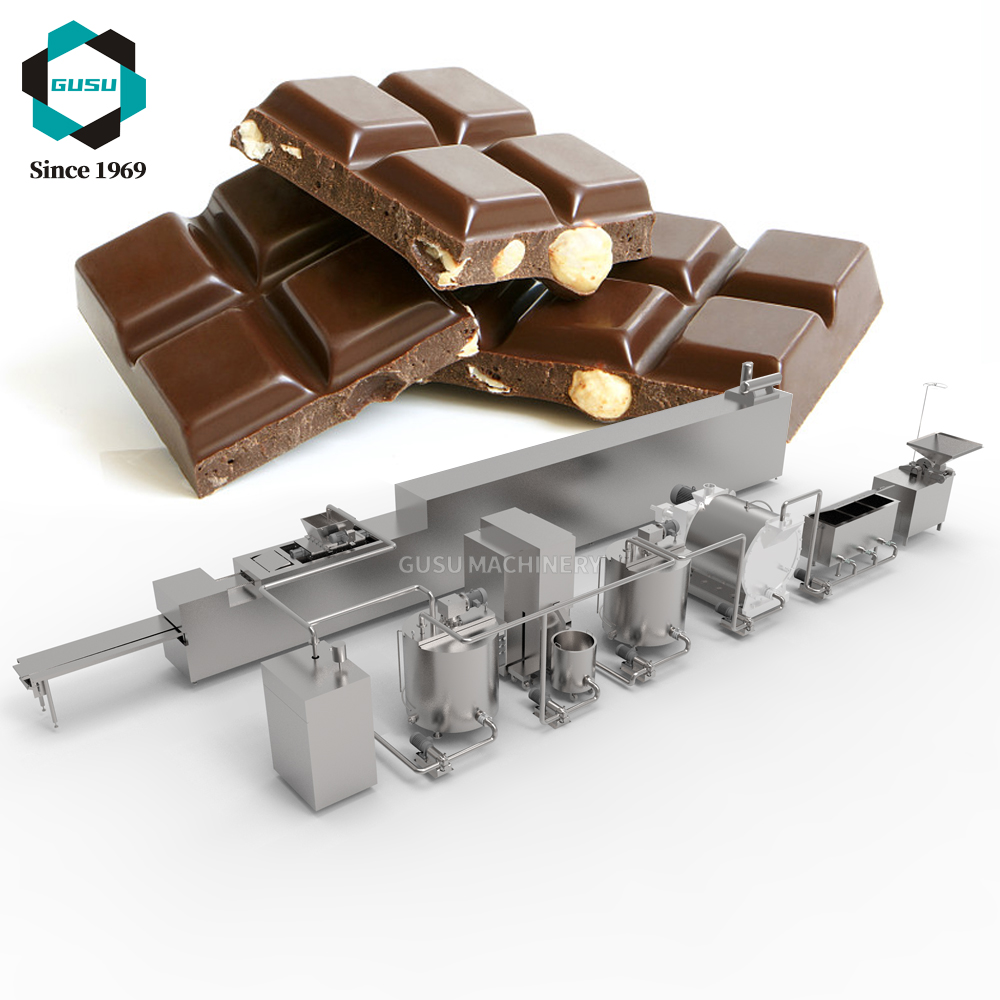
The real bottleneck in short-run production often hides inside the mould changeover. A traditional setup can consume half a shift, forcing manufacturers to inflate batch sizes just to justify the downtime. Quick-swap moulds attack this problem directly. By standardising clamping plates, using hydraulic or magnetic locking systems, and integrating pre-alignment guides, operators can pull a hot mould and mount the next one in under ten minutes. That single change transforms the production floor: machines stop being costly monuments to long runs and start behaving like flexible tools.
This speed unlocks more than just extra machine hours. When changeover ceases to be a penalty, the logic of lot sizing flips. You no longer need to produce three months of inventory to achieve a low unit cost. Instead, you can run exactly what the customer ordered, then switch to the next product without a ripple. A small injection moulding shop in the Midlands, for instance, moved from 50,000-piece minimum orders to accepting 500-piece trials after retrofitting its presses with quick-swap platens. The result wasn't just happier clients—it was a dramatic drop in warehousing costs and write-offs from obsolete stock.
But quick-swap moulds are not a bolt-on gadget. They demand a rethink of how moulds are designed, stored, and maintained. Weight matters: if two technicians cannot roll a mould into place without a crane, the swap will never be truly quick. Preheat stations, cooling line disconnects that snap on without tools, and foolproof locating pins all become part of the system. The best implementations treat the mould, the press, and the operator as one workflow—where every unnecessary step has been stripped away before the first part is ever shot.
Low-Energy Melting That Doesn't Slow the Line
The trick isn't just lowering melt temperature on paper—it's keeping actual throughput steady when the material hits the screw. Many low-energy grades promise savings but force operators to crawl through production, erasing any cost benefit. Here the balance comes from a carefully tuned molecular weight distribution that flows easily at reduced barrel settings without sacrificing back pressure stability.
What makes this work in practice is how the melt behaves under shear. Instead of thinning out unpredictably or stalling at the die, the resin holds a consistent viscosity window across a wider range of RPMs. That means you can dial the heaters down, cut cycle energy per kilogram, and still hit the same shot-to-shot consistency. No one has to babysit the temperature profile or fight with short shots after a shift change.
The result is a quieter line—fewer alarms, less purging, fewer rejected parts from cold slugs. Maintenance sees less carbonized buildup on the screw, and the floor doesn't bake from runaway barrel heat. It's not a headline grabbing change, but it's the kind that shows up on the monthly utility bill and in the scrap bin.
Tool-Free Cleaning Paths That Cut Shift Changeover
Every minute spent hunting for a hex key or prying off a guard during shift changeover is lost production. Tool-free cleaning paths remove that friction by letting operators open access panels, drop chutes, and guarding with nothing more than a quarter-turn latch or a lift-off hinge. The result is a washdown route that follows the product flow without breaking rhythm.
The most effective designs pair sloped, self-draining surfaces with quick-release clamps and tool-less door catches. Operators can swing open a hinged side panel, wipe down a conveyor bed, and snap it shut in seconds. Because no fasteners come loose or fall into the line, sanitation checks stay consistent from one shift to the next.
One snack food plant cut its changeover cleaning prep from twelve minutes to under three after retrofitting mixers with tool-free inspection ports. That time goes directly back into uptime, and the simpler motion reduces strain on the night crew. When cleaning paths require zero tools, the clean itself stops being a bottleneck and becomes a quick, repeatable routine.
Recipe Memory That Makes Every Batch Identical
Bakers who chase consistency eventually stop relying on the written recipe alone. They build a kind of muscle memory for the dough—how it should feel under the knuckles at the third fold, the slight resistance when the gluten tightens, the faint tackiness that disappears after the bench rest. This isn't guesswork; it's a catalog of micro-adjustments logged over dozens of batches. A humid afternoon might call for ten fewer grams of water, while a new bag of flour from a different mill shifts the absorption rate. The recipe becomes a living document, annotated in the margins and in the fingertips.
Recording those tiny deviations is what separates a lucky baker from a repeatable one. A simple notebook entry—'oven ran hot, pulled at 22 minutes, crust color darker than usual'—builds a personal database that no generic formula can replace. Over time, the written recipe and the sensory memory merge into a single system. You stop measuring every variable because your hands already know the target, and the timer becomes a backup rather than a command. That's when the tenth batch tastes exactly like the first, down to the crackle of the crust.
Built-In Diagnostics That Flag Wear Before It Stops Production
The machine's own sensors track subtle shifts in vibration signatures and thermal drift long before a bearing reaches the point of failure. Instead of waiting for a scheduled inspection, maintenance teams get a clear alert when wear patterns cross a threshold—down to the specific spindle or gearbox that needs attention.
Oil particle counters and ultrasonic microphones feed into the same onboard system, refining the picture as conditions change. That means a slowly degrading seal or a worn coupling doesn't turn into a surprise shutdown. The diagnostics separate normal operating noise from early damage signals, so false alarms stay rare.
Because the data streams continuously, production planners can schedule a short service window during low demand rather than losing an entire shift to an emergency repair. Wear becomes a manageable variable, not a production risk.
FAQ
They tend to inspect the tempering precision, especially how evenly the machine holds temperatures within ±0.2°C during continuous runs, because that directly affects snap and gloss. Many also ask about the wear resistance of screw conveyors and whether the barrel lining uses food-grade chromium carbide rather than standard stainless steel.
Modern designs often include quick-release baffle plates and recipe memory for up to 30 programs, so switching from dark chocolate to compound coatings can be done in under fifteen minutes without re-tempering the entire system. Some suppliers also offer interchangeable nozzle plates that slot in without tools.
Beyond basic water-jacketed tanks, it is worth checking whether the machine uses multi-zone PID control with separate circuits for the screw barrel, piston block, and mould cavities. This prevents hot spots that cause sugar bloom. High-end units use food-safe thermal oil instead of water to avoid corrosion and bacterial buildup.
There is a growing range of compact five-roll refiners and 10-20 kg batch conches that fit small workshops. These often have the same stainless steel 304 contact parts as larger lines, but with simplified PLC controls and castors for moving between rooms. Buyers should confirm if the drive motor allows slow-speed conching for flavor development.
They should ask if the gearbox is sealed and lubricated for life, whether the scraper blades can be replaced without removing the main shaft, and if the supplier offers remote diagnostics via a service port. Some newer machines have self-cleaning cycles that cut water use by 40% compared with manual washing.
Look for food-contact certificates such as FDA 21 CFR or EU 1935/2004 for all elastomers and coatings, not just the main stainless parts. Also check if the electrical cabinet is rated IP54 or higher for humid production areas, and whether the manufacturer can provide a full material traceability report for the screw and barrel.
Some Chinese manufacturers now use servo-driven hydraulic pumps and insulated holding tanks that lower power use by 15-25% during idle periods. It is useful to request a specific energy consumption curve in kWh per ton of chocolate processed rather than relying on nameplate motor ratings.
Many suppliers can adjust mould shapes, add a second depositor head for filled products, or change the frame height to match existing cooling tunnels. Because they use modular frame sections, a customised line often ships in 35-45 days, compared with 60-90 days for ground-up European builds. Buyers should ask for a 3D layout drawing before paying a deposit.
Conclusion
When evaluating chocolate machines from China, experienced confectionery buyers rarely settle for basic temperature control. They look for tempering systems that hold the chocolate within half a degree of the target, because even a slight drift can ruin gloss, snap, and mouthfeel. These buyers also favor designs with quick-swap moulds, allowing a single line to shift between bar sizes or seasonal shapes without lengthy retooling. The best of these machines combine that flexibility with low-energy melting that keeps the production pace steady, using insulation and heat recovery rather than oversized, wasteful heating elements. In practical terms, a machine that reaches temper quickly and holds it precisely while consuming less power per kilogram is more attractive than one that simply runs hot.
Beyond the visible output, smart buyers dig into daily operational friction. Tool-free cleaning paths matter because every minute spent wrestling with guards or removing bolts during a shift changeover is lost capacity. Machines designed with smooth, accessible surfaces and quick-release covers allow sanitation to happen in a fraction of the time. Recipe memory is another priority: the ability to store and recall exact parameters for dark, milk, or compound coatings ensures that batch number fifty matches batch number one. Finally, built-in diagnostics that track wear on belts, motors, and tempering scrapers give operators early warning before a failure stops production. For confectionery manufacturers, these six features together signal a machine built for real-world demand, not just for a catalog photo.
Contact Us
Contact Person: Zhang Wei
Email: [email protected]
Tel/WhatsApp: 8618662577837
Website: https://www.chocomachinery.com