

China Folding Carton Cutting Die Making Equipment Drives Packaging Precision and Productivity
2026-09-10
Precision in folding carton production isn't a luxury—it's the difference between a carton that folds cleanly on a high-speed line and one that jams. For packaging converters aiming to push both accuracy and throughput, China's cutting die making equipment has become a quiet workhorse. Among the names worth watching, ADEWO has built a reputation for machines that hold tolerances tight without slowing output. This article looks at what separates reliable die making equipment from the rest—and why that gap shows up on your bottom line.
Where Carton Accuracy Begins
Every millimetre of deviation in a carton starts long before the die cutter touches the sheet. In our workflow, accuracy begins at the material handling stage. We measure caliper and moisture content of incoming board, because a 0.2 mm variation in thickness can shift crease lines enough to ruin a run. The data is logged against each batch, so press operators know exactly what they are working with - not just a nominal spec.
The next checkpoint is in the CAD file and the physical proof. We don't rely on a single digital render; we cut a short sample on the same machine that will run the full job. That sample is folded, glued, and filled with the actual product if possible. Any discrepancy between the flat outline and the formed box shows up here, before hundreds of sheets are wasted.
Finally, the cutting and creasing tools themselves are checked for wear every shift. A dull creasing rule or a slightly loose die board can introduce errors that look random but are completely predictable once you track tool life. By replacing rules on schedule rather than waiting for visible damage, we keep carton dimensions within a tolerance that most packaging suppliers quote but few actually verify.
Tooling Choices That Remove Guesswork from Die Cutting
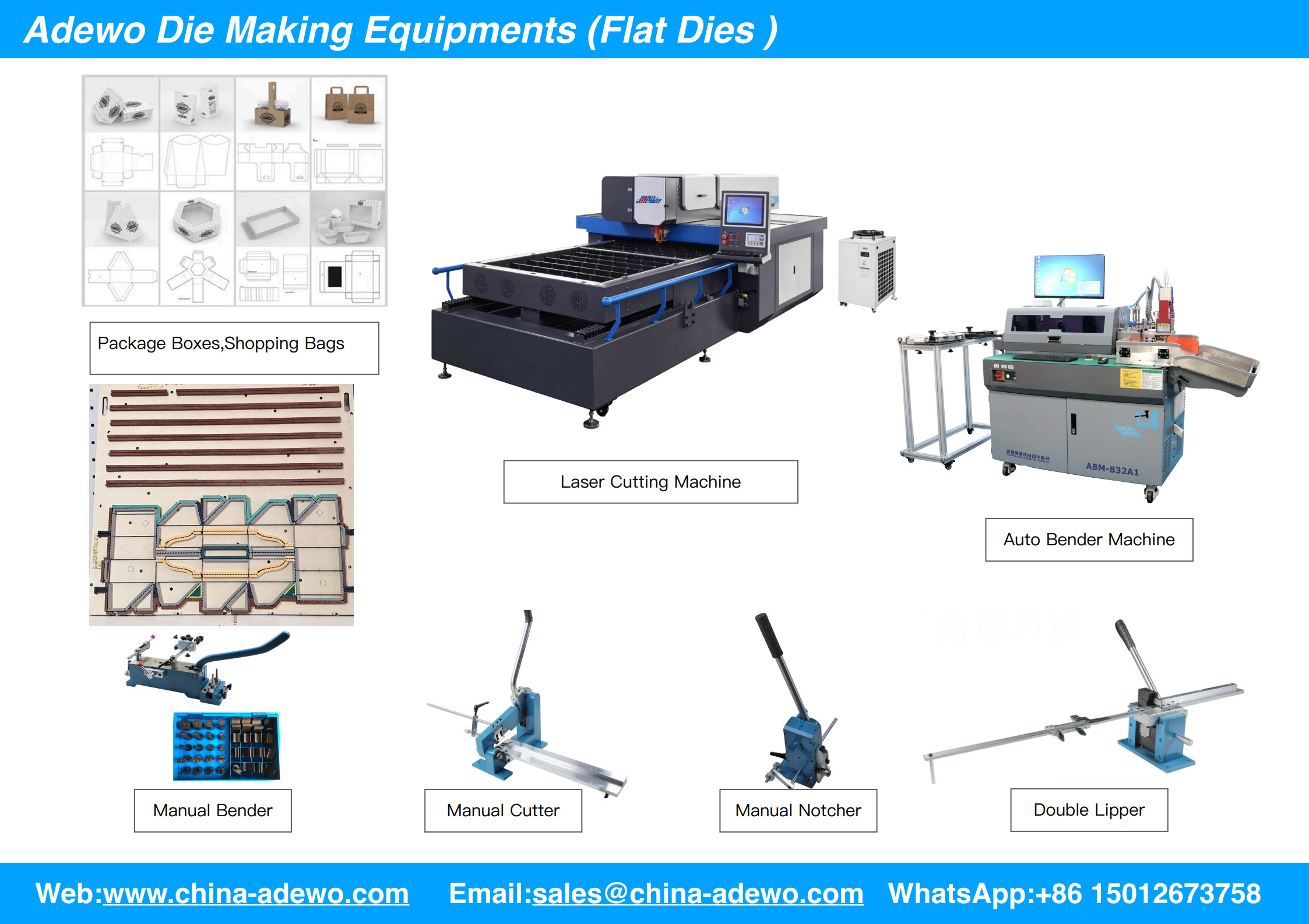
Die cutting has always carried a bit of trial-and-error baggage, but the right tooling strips most of that away. When every punch, crease, and cut is machined to match the job’s exact material and thickness, operators stop second-guessing whether a sheet will feed clean or leave ragged edges. It’s not about buying the most expensive setup—it’s about matching tool geometry, bevel angles, and ejection systems to the work at hand so the first run behaves like the tenth.
Good tooling also removes the guesswork from changeovers. Self-aligning guides, pre-set pressure zones, and clear marking systems mean a new operator doesn’t have to learn through ruined blanks. Instead of checking every few sheets and nudging settings, the process settles into a repeatable rhythm. That consistency is what turns die cutting from a craft full of hidden gotchas into a step you can hand off without a long explanation.
Smarter Setups for Faster Turnarounds
A cluttered workspace or a convoluted digital pipeline can quietly eat hours every week. By stripping down your setup to only the tools you actually touch daily, you remove decision fatigue and cut the time spent hunting for files or switching between apps. Think of it as decluttering your workflow: the fewer clicks and keystrokes between an idea and its execution, the faster you can ship.
Templates and saved presets are the unsung heroes of speed. Whether it's a folder structure that matches your mental model, a color palette that never needs tweaking, or a set of keyboard shortcuts for repetitive actions, these small investments compound. You stop reinventing the wheel on every project and start treating your setup like a well-oiled machine that runs while you focus on the creative problem at hand.
Automation doesn't have to mean complex scripting. Simple triggers—auto-renaming files on import, batch resizing exports, or syncing folders across devices—can slash turnaround times dramatically. The goal is to offload routine tasks so your energy goes into the work that actually requires judgment. When your environment anticipates the next step, you spend less time on logistics and more on delivering results.
Why Consistency Now Outweighs Raw Speed
For years, raw speed was treated as the ultimate benchmark—whether in software releases, delivery times, or personal output. That mindset created a culture where occasional bursts of extreme performance were celebrated, even if they came with unpredictable gaps in between. But users and teams have grown tired of that roller coaster. A system that responds in 50 milliseconds nine times out of ten but stalls for three seconds on the tenth feels worse than one that reliably answers in 200 milliseconds every single time. Consistency gives people something speed alone cannot: the ability to plan around an outcome.
The shift also reflects how trust is built in practice. When performance is erratic, every interaction becomes a gamble—you brace for the worst, and that mental overhead drains more energy than a slightly slower but steady response ever would. Consistent behavior, on the other hand, fades into the background. You stop noticing the timing altogether because there's nothing to notice. That's the real prize: not impressing someone with a one-off sprint, but becoming dependable enough that they never have to think about you at all. In fields from infrastructure to creative work, the people and tools that last are the ones that show up the same way, day after day.
There's also a compounding effect that raw speed rarely captures. A fast flash of effort might finish a task early once, but if the next attempt is slow or sloppy, the overall trajectory doesn't improve. Consistency, by contrast, stacks small wins into a pattern that becomes hard to compete against. Over weeks and months, a steady pace outperforms an erratic sprint—not because any single moment is faster, but because the average holds up under real conditions. That's why the conversation has moved from "how fast can you go" to "how long can you keep going without falling apart."
Built to Handle Thinner Stocks and Tighter Creases
Delicate papers have a way of jamming ordinary folders, but this machine takes them in stride. The feed mechanism uses a gentler grip that avoids tearing even the flimsiest 60gsm stock, while still pushing through heavier sheets without hesitation.
Where most creasers leave a rounded edge that cracks on coated stocks, this unit scores with a narrower profile. The result is a sharp, crisp fold line that holds its shape on thin bible paper or glossy photo media, letting you run full-bleed brochures without ghosting or fiber breakage.
It handles batches that would stall lesser equipment — think 100 sheets of lightweight invoice paper followed immediately by a run of textured cardstock. No manual recalibration, no test sheets wasted. The crease depth adjusts in micro-increments, so you can dial in exactly the right bite for flyers, menus, or folded inserts without slowing down the queue.
From Sheet to Shelf: The Hidden Work of Cutting Dies
Every cardboard box, gasket, and folding carton on a store shelf starts as a flat sheet, but the moment that sheet becomes a precise shape is rarely acknowledged. Cutting dies—hand-assembled strips of sharpened steel rule bent into exact contours and locked into a plywood carrier—do that quiet work. A single die might contain dozens of creases, perforations, and cut lines, each one tuned to a fraction of a millimeter. If a hinge is too shallow, the carton won't fold cleanly; if a blade is dull by a few microns, the edge frays and the entire run is scrapped.
The real challenge isn't just cutting, it's repeatability. Dies are mounted into presses that strike thousands of sheets per hour, and every impact shifts the steel slightly. Toolmakers compensate by hand-nicking the rule at stress points, adding rubber ejection strips so the sheet releases without tearing, and checking the die against a steel counterplate. That hidden adjustment loop—between the tooling bench, the press operator, and the final product on the line—is what separates a shelf-ready package from a pile of misaligned blanks. Few consumers ever see a cutting die, but their fingers feel its precision every time they open a box.
FAQ
Beyond cost advantages, Chinese manufacturers have invested heavily in CNC precision machining and automated laser cutting systems. The equipment now handles intricate creasing and cutting rules with tolerances that rival European counterparts, while local supply chains shorten lead times for carton converters.
It uses laser-guided positioning and high-frequency vibration cutting heads to eliminate manual scribing errors. Digital templates can be adjusted on the fly, so every die board matches the CAD structural design within microns, reducing waste from misregistered cartons.
Typical throughput rises 30-50% because automated rule processing and rubbering stations run parallel operations. Setup time drops from hours to minutes with servo-driven bending, allowing more die changes per shift without extra labor.
Lasers produce clean, burr-free kerfs and complex air channels in a single pass. There's no blade drift or heat distortion, which means tighter slot widths and better ejection rubber fit—critical for high-speed carton gluing lines.
Yes, many systems now feature quick-change tooling and recipe memory. A converter can switch from a standard tuck-end carton to a crash-lock bottom or windowed design in under ten minutes, making short runs profitable without sacrificing accuracy.
The software acts as a bridge between packaging design and physical tooling. It auto-nests cutting paths, simulates rubbering placement, and flags potential collision zones before any material is cut, so errors are caught digitally rather than on the die board.
Look beyond spec sheets. Ask for sample die boards produced from your own CAD files, check after-sales support response times, and verify that critical components like linear guides and laser sources come from reputable global brands. A factory audit or video walkthrough can reveal build quality and calibration routines.
Daily cleaning of laser optics and guide rails, weekly checks of rule bending mandrels, and monthly recalibration of the worktable flatness. Many Chinese machines include remote diagnostics, so technicians can preempt bearing wear or beam alignment drift before it affects output.
Conclusion
In China's folding carton sector, cutting die making equipment has become the quiet force behind every clean crease and exact cut. Where carton accuracy begins is not on the printing press but in the tooling itself—precision-ground rules, laser-cut plates, and meticulously aligned stripping pins. Modern Chinese manufacturers pair these with smarter setups that slash makeready time, allowing converters to shift from one job to the next without the usual trial-and-error. Tooling choices now remove guesswork from die cutting: rubber profiles, ejection materials, and chase designs are selected based on flute type, board caliper, and crease depth, ensuring that even the thinnest stocks or most intricate lock-bottom cartons perform consistently at high speeds.
The broader shift in packaging is clear—consistency now outweighs raw speed. A die that runs at 12,000 sheets per hour means little if every hundredth carton jams or cracks at the crease. Chinese die making equipment is engineered to handle thinner stocks and tighter creases without sacrificing structural integrity, allowing brands to down-gauge paperboard while maintaining shelf-ready aesthetics. From sheet to shelf, the hidden work of cutting dies—pressure balancing, counterplate profiling, and edge polishing—determines whether a carton folds squarely, glues cleanly, and protects its contents. As demand grows for premium, precisely folded packaging, China's die making infrastructure continues to drive packaging precision and productivity in ways that are easy to overlook but impossible to replicate without the right equipment.
Contact Us
Contact Person: KAELYN LEE
Email: [email protected]
Tel/WhatsApp: +86 15012673758
Website: https://www.china-adewo.com