

Choosing an ODM Trekking Socks Supplier for Premium Custom Hiking Gear
2026-06-10
Every hiker knows that the right gear can make or break an adventure, and socks are no exception. But when off-the-shelf options fall short, turning to a specialized ODM trekking socks supplier becomes essential for creating premium custom hiking gear. That's where Fuli Socks steps in—combining expertise with innovation to elevate your brand's outdoor offerings. Discover what sets a true manufacturing partner apart and how to choose one that aligns with your quality standards.
Decoding the DNA of a Reliable ODM Trekking Sock Partner
Finding a trekking sock manufacturer that truly gets your brand isn’t about ticking boxes—it’s about recognizing a partner who lives and breathes the same performance standards you do. Their DNA runs deeper than machinery; it’s woven from a genuine obsession with how yarns behave under pressure, how blister-prone zones demand smarter cushioning, and how every stitch either earns its place on the trail or gets erased from the spec sheet.
A reliable ODM brings more than capacity to the table. They bring an almost annoying level of curiosity about your target user: the weekend warrior, the thru-hiker, the alpine guide. That curiosity translates into material pairings you didn't expect, abrasion resistance where you need it most, and moisture management routines that actually survive multiple days in the same socks. They don’t just replicate your design—they poke holes in it until it’s stronger.
What really sets them apart, though, is the quiet confidence that comes from hundreds of failed prototypes. They’ve learned that the perfect flex zone comes from tweaking elastane content by half a percent, and that durability isn't about adding bulk but re-engineering the heel pocket geometry. When you’re deep in a fitting conversation and they casually mention adjusting the toe seam curvature because it reduces shear force by 18%, you realize you're not just talking to a factory—you’re talking to someone who’s obsessed with the same sweaty details you are.
Material Mastery: What Premium Yarns Mean for Trail Performance
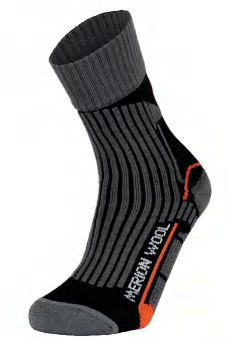
On the trail, every gram matters, but so does resilience. Premium yarns change the game—they're engineered to wick moisture with ruthless efficiency while resisting abrasion from brush and rock. When you push through that third hour of uphill grind, it's the fiber-level engineering that keeps your skin calm and your focus sharp. No clammy cling, no chafing—just a clean, dry feel that lets you forget your clothes and obsess over the next ridge.
But true mastery goes beyond next-to-skin comfort. High-grade fibers offer a rare blend of stretch and recovery that standard synthetics can't match. They move with your scrambling limbs and return to shape without bagging out, hike after hike. This isn't just durability; it's a promise that your gear will perform identically on the first summit push and the 50th. The loft traps heat intelligently when the wind picks up, then breathes deep as the sun punches through the canopy—a dynamic thermal regulation you'll never get from basic polyester.
Finally, there's the quiet confidence that comes from knowing your layers won't betray you. Premium yarns resist pilling, fading, and the slow degradation that creeps into lesser fabrics. They handle repeated washings and the grit of backcountry life without losing their high-performance character. When you invest in these materials, you're not just buying a shirt; you're choosing silence over crinkly membranes, a tactile pleasure that makes you smile as you pack the car again at dawn. That understated excellence becomes part of your trail ritual—a subtle but constant upgrade to every step you take.
Fit and Function: Ergonomic Design Signals Worth Demanding
The difference between a tool that merely works and one that elevates your experience often comes down to how well it reads your body. Ergonomic design isn’t about adding more cushions or contours; it’s about creating a silent dialogue between you and the object. When the fit is right, you stop noticing the effort behind every movement and start feeling a seamless flow.
Beware of designs that scream comfort but ignore how you actually move throughout the day. A truly functional piece adapts to shifts in posture, weight distribution, and even fidgeting—without requiring a manual. Look for clues in the materials that flex with pressure points, edges that don’t dig into soft tissue, and adjustments that feel almost invisible.
These signals matter because they shape your health in ways you won’t immediately feel. A poorly chosen desk or chair can quietly chip away at your energy, focus, and long-term joint resilience. Demanding better fit and function isn’t picky—it’s a form of self-respect that pays off in fewer distractions and more sustained performance.
Customization That Climbs: Beyond Logos to Performance Features
True customization digs deeper than a branded shell. It means reshaping how a product performs, not just how it looks. For climbers, that could translate into harnesses dialed in for specific body geometries or carabiners machined to balance weight and gate strength for a particular style of ascent.
Performance-driven tweaks often start with materials. A pack might shed grams by swapping in dimension-ripstop fabric, or gain cold-weather reliability with hardware that stays glove-friendly. Even small adjustments—a slightly wider gear loop, a repositioned ice-tool attachment—can fundamentally shift how gear works under real loads.
The payoff isn’t just better function; it’s gear that disappears when you need it most. When customization targets the details that actually matter on rock or ice, it stops being a premium add-on and starts feeling like a necessity.
Testing Terrain: How Rugged Trials Separate Sock Makers
There’s a quiet brutality in the way a sock gets tested before it ever reaches a drawer. It starts not on a foot, but clamped into machines that stretch, twist, and abrade the fabric until its weaknesses are laid bare. Some brands trust lab numbers alone, but the ones that survive years of hard use are those that drag prototypes across granite scree and through swamp water, where the real threats aren’t standardized cycles but the jagged edge of a submerged branch or the grind of sand between toes. When a sock fails here, it’s often in a way no spec sheet predicted—a blister formed not from friction but from a seam’s slight misalignment, or a heel that loses integrity only after the tenth river crossing under a full pack.
The terrain itself becomes the unforgiving judge. In the Scottish Highlands, testers wade through waist-deep bogs to see if the merino holds shape when saturated; in the Sonoran Desert, they clock how many cactus spines pierce a tight knit before the foot knows it. These aren’t controlled environments—a sudden hail storm or an unseasonable heatwave forces rapid rethinking of moisture management. What separates a standout sock maker from the rest is how they interpret these extremes. They’ll hand-carry failed pairs back to the knitting floor, dissect the damage with the people who programmed the machines, and tweak a single yarn’s tension until the next version survives an identical beating. That loop, from mountain mud to micro-adjustment, is what builds a reputation that lasts longer than any warranty.
In the end, the trials do more than filter out the subpar—they define a philosophy. A maker who has watched their wool blend unravel in a Patagonian river isn’t just solving a delamination problem; they’re learning to anticipate the unpredictable. The best socks carry that trauma into their design, with reinforced zones that follow the contour of a scrambling boot rather than a flat template, and with yarns chosen not for their marketing appeal but because they once proved themselves on a volcanic trail. The consumer rarely sees the scars, but they feel the result: a pair that doesn’t announce itself as technical, yet refuses to quit month after month.
Partnerships That Last the Long Haul: Culture, Communication, and Consistency
When two organizations come together, the initial spark is often a shared goal, but what keeps them aligned over years isn’t a contract—it’s the quiet alignment of values and assumptions. Culture isn’t about mission statements on a wall; it’s how teams react under pressure, celebrate small wins, and handle disagreements when nobody’s watching. We’ve seen partnerships fray simply because one side treated a tight deadline as a rallying cry while the other saw it as a breach of trust. Getting that unspoken rhythm right means digging deeper than quarterly targets, asking not just “what do you want to achieve” but “how do you want to achieve it” and paying attention to the answers that come out in hallway talks, not boardroom slides.
Communication is the obvious lubricant, yet it’s the part most often reduced to scheduled updates and status dashboards. Lasting collaborations thrive on the in-between moments: the late-night email that admits a mistake before it snowballs, the casual demo of a half-formed idea that sparks a breakthrough, the willingness to say “I don’t know, but let’s figure it out together.” This isn’t about transparency for its own sake; it’s about creating a shared narrative where surprises don’t exist because the dialogue is constant and candid. It’s the difference between a partner who forwards a report and one who picks up the phone to walk you through the context.
Consistency often sounds boring—the steady drumbeat rather than the flashy fireworks—but it’s the bedrock of trust. It’s not just showing up on time; it’s the predictability of your values in action, whether it’s how you handle a pricing dispute or how you treat a junior team member from the other company. Small, repeated actions build a current that carries the relationship forward when hype fades and challenges arrive. In our experience, the partners who stay for decades aren’t necessarily the most innovative; they’re the ones who never left you wondering whether they’d still be there next month.
FAQ
A trustworthy partner will have deep experience in technical sock construction, especially with moisture-wicking blends and reinforced zones. Check their material sourcing, prototyping speed, and whether they can handle complex designs like graduated compression or blister-mapped cushioning. It also helps if they offer transparent communication and a dedicated project manager, so you are never left guessing about production timelines.
When you nail the fit and performance, hikers notice. Custom socks designed for specific terrains or weather conditions reduce foot fatigue and hot spots, which directly reflects on your brand's quality. Plus, unique patterns or brand colors create a visual identity on the trail, making your gear instantly recognizable and more likely to be recommended in hiking communities.
Merino wool blends are a favorite for their natural odor resistance and temperature regulation. Combining them with nylon and a touch of spandex adds durability and stretch. For high-sweat areas, some brands are experimenting with Coolmax or Tencel fibers. The key is balancing cushion, breathability, and quick-drying properties without making the sock too bulky inside a hiking boot.
ODM lets you build the product from the ground up, tweaking everything from the knitting gauge to the silicone grippers on the cuff. You are not stuck with off-the-shelf limitations. It is especially useful if you need proprietary yarn blends or want to own the design outright. The upfront development takes more effort, but the result is a truly differentiated piece of gear that can command a higher price point.
Request a detailed tech pack up front that specifies stitch density, heel tab dimensions, and acceptable shrinkage rates. On-site inspections during knitting and after boarding are non-negotiable. Also, ask the supplier to provide a golden sample for your approval, which becomes the benchmark for all subsequent batches. Some brands even send a third-party auditor to double-check construction before shipping.
Beyond per-pair pricing, there are often mold fees for custom logos on yarns or jacquard patterns, lab testing charges for things like abrasion resistance or colorfastness, and packaging design if you need hang tags or box inserts. Shipping specialty yarns from overseas mills can also add to the timeline. Clarify these points in the quoting stage so you do not blow your budget later.
Conclusion
Selecting the right ODM trekking sock partner isn't just about finding a factory—it's about aligning with a team that lives and breathes trail performance. The true differentiator lies in a supplier's material mastery: premium yarns like responsibly sourced merino, advanced synthetics, and tight, consistent knitting techniques that balance cushioning, wicking, and durability. This technical foundation must be paired with ergonomic design signals—anatomical toe boxes, graduated compression zones, and seamless closures—that transform a basic sock into a fatigue-reducing piece of gear. Beyond off-the-shelf options, the ideal partner offers deep customization, weaving in performance features like targeted venting, anti-slip cuffs, or strategic padding rather than simply slapping on a logo. Rigorous, real-world testing is non-negotiable; the best makers subject their designs to simulated multi-day hikes, blister-inducing friction tests, and moisture management trials that expose weak links long before the finished product reaches the trail.
Yet technical prowess alone isn't enough. Enduring partnerships grow from cultural alignment, transparent communication, and unwavering consistency through every production run. A supplier who invests in understanding your brand's ethos, shares clear quality benchmarks, and proactively navigates material shortages or design tweaks builds a relationship that outlasts a single season. When these elements converge—material expertise, ergonomic intelligence, meaningful customization, ruthless testing, and a collaborative spirit—you gain more than a supplier: you secure a silent partner in every hiker's memorable adventure. Choose with care, because the socks your customers pull on at the trailhead are a direct reflection of your own commitment to excellence.
Contact Us
Contact Person: Ryan Li
Email: [email protected]
Tel/WhatsApp: +86 13757342500
Website: https://www.fulisocks.com/