
Custom Steel Bar and Wire Rolling Production Line: Innovative Manufacturing Solutions
2026-02-27
In the world of steel manufacturing, precision and innovation are key to staying ahead. At GRM, we're redefining what's possible with our custom steel bar and wire rolling production lines. This blog delves into the groundbreaking solutions that are transforming the industry, offering efficiency and versatility like never before. Join us as we explore how these cutting-edge technologies can elevate your production processes, spark your curiosity, and set new standards in manufacturing excellence.
Revolutionizing Steel Production with Custom Rolling Technology
In an industry where precision and efficiency are paramount, custom rolling technology is transforming how steel is produced, offering tailored solutions that boost performance and reduce waste. By adapting rolling processes to specific steel grades and end-use requirements, manufacturers can achieve superior material properties, such as enhanced strength or improved corrosion resistance, directly from the mill. This shift not only accelerates production timelines but also minimizes the need for costly post-processing steps, driving down overall expenses and environmental impact. As a result, steel producers are increasingly leveraging these innovations to meet stringent market demands while maintaining a competitive edge.
Unlike traditional rolling methods that rely on standardized techniques, custom rolling technology incorporates advanced sensors and real-time data analytics to fine-tune the process on the fly. This dynamic approach allows for precise control over temperature, pressure, and deformation rates, ensuring consistent quality across batches and reducing defects. By integrating these smart systems, companies can produce steel with exact specifications for niche applications, from aerospace components to automotive parts, without compromising on reliability. The ability to customize rolling parameters on-demand empowers manufacturers to respond swiftly to evolving client needs, fostering innovation and flexibility in a historically rigid sector.
Looking ahead, the adoption of custom rolling technology is poised to redefine sustainability in steel production. By optimizing material usage and reducing energy consumption, this advanced method contributes to greener manufacturing practices, aligning with global environmental goals. As industry leaders invest in research and development, we can expect further enhancements, such as AI-driven predictive maintenance and automated adjustments, that will push the boundaries of what's possible. Ultimately, this technological evolution is not just about refining existing processes—it's about creating a more resilient and adaptable steel industry that thrives on customization and efficiency.
Advanced Wire Rolling Solutions for Enhanced Material Quality
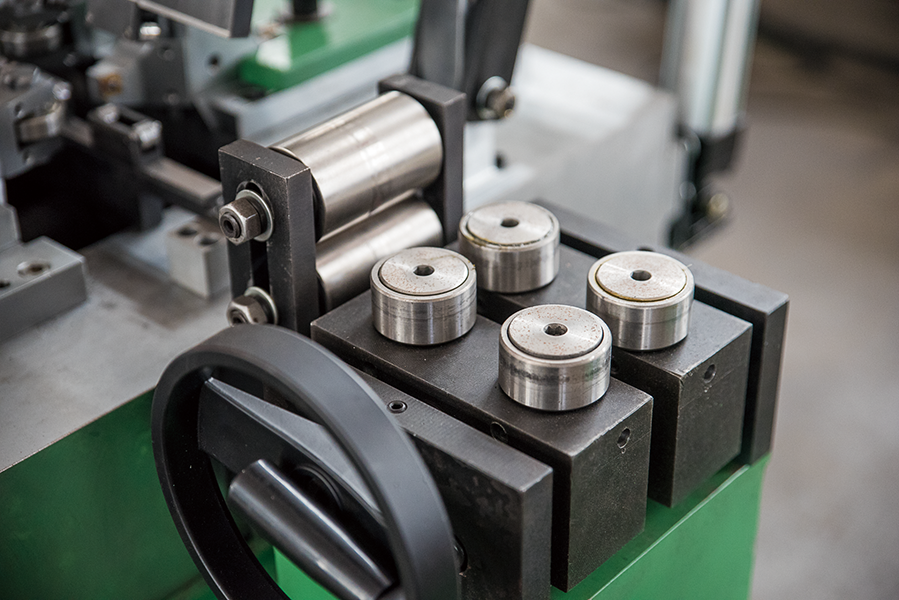
In the competitive landscape of modern manufacturing, advanced wire rolling solutions have become a cornerstone for achieving superior material quality. These cutting-edge systems leverage precision engineering and automated controls to ensure consistent wire properties, reducing defects like cracks or uneven surfaces that can compromise product integrity. By optimizing rolling parameters in real-time, manufacturers can fine-tune the microstructure and mechanical attributes of wires, leading to enhanced durability and performance in critical applications such as aerospace, automotive, and electronics.
Unlike traditional rolling methods that may rely on manual adjustments, next-generation wire rolling solutions incorporate intelligent algorithms and sensor feedback loops. This dynamic approach allows for seamless adaptation to varying material compositions and environmental conditions, minimizing waste and boosting efficiency. The result is a more reliable, high-grade output that meets stringent industry standards, empowering companies to innovate with confidence and push the boundaries of what's possible in material science.
When implemented effectively, advanced wire rolling not only elevates material quality but also streamlines production workflows, creating a sustainable competitive edge. By harnessing these technologies, businesses can deliver products that are not only stronger and more resilient but also tailored to the unique demands of end-users, ensuring long-term customer satisfaction and operational excellence in a fast-evolving market.
Innovations in Production Line Design for Optimal Efficiency
One of the most groundbreaking shifts in production line design revolves around the integration of smart technologies, such as IoT sensors and AI-driven analytics. These tools enable real-time monitoring and predictive maintenance, drastically reducing downtime and enhancing overall throughput. By embedding intelligence directly into the machinery, manufacturers can adapt processes on-the-fly, responding to fluctuations in demand or material quality without manual intervention.
Another key innovation is the adoption of modular and flexible layouts, which allow for rapid reconfiguration to accommodate different product lines or batch sizes. This agility not only cuts setup times but also supports sustainable practices by minimizing waste. Companies leveraging these designs often see improvements in both speed and resource utilization, making them more competitive in fast-paced markets.
Beyond hardware, ergonomic considerations are gaining traction as a critical efficiency driver. Redesigning workstations to reduce physical strain on operators leads to higher productivity and lower turnover rates. When combined with automation for repetitive tasks, this human-centric approach creates a balanced environment where technology and skill complement each other, ultimately optimizing both output and workplace morale.
Tailored Bar Rolling Systems to Meet Specific Industry Demands
When it comes to bar rolling, one-size-fits-all solutions often fall short in today's diverse industrial landscape. Tailored bar rolling systems are designed to address this gap by offering customized setups that align precisely with the unique requirements of various sectors, from construction and automotive to energy and manufacturing. These systems aren't just about cranking out standard bars; they're engineered to produce specific diameters, lengths, and material properties that meet exacting standards, ensuring seamless integration into specialized applications without costly modifications.
In practice, this means incorporating advanced features like variable-speed drives, precision cooling mechanisms, and real-time monitoring tools that adapt to different production runs. For instance, a system tailored for the aerospace industry might focus on high-strength alloys and tight tolerances, while one for infrastructure projects could prioritize durability and large-scale output. By leveraging modular components and smart controls, manufacturers can swiftly reconfigure their rolling lines to switch between products, minimizing downtime and maximizing efficiency, which is crucial in fast-paced competitive markets.
Ultimately, investing in a tailored bar rolling system translates to enhanced performance and cost savings over the long term. It allows businesses to respond agilely to shifting industry trends, whether driven by regulatory changes, new material innovations, or customer-specific demands. This bespoke approach not only boosts productivity but also elevates product quality, helping companies carve out a niche by delivering bars that outperform off-the-shelf alternatives in reliability and suitability for their intended use.
Integrating Smart Technologies in Modern Steel Manufacturing
Beyond just installing sensors and software, integrating smart technologies in modern steel manufacturing involves a holistic transformation of the entire production ecosystem. It starts with embedding IoT devices across the supply chain—from raw material tracking to finished product logistics—enabling real-time data flow that informs everything from predictive maintenance schedules to energy consumption analytics. This connectivity allows steel plants to dynamically adjust operations based on market demands or resource availability, reducing waste and boosting agility. By linking these systems with cloud-based platforms, manufacturers can leverage advanced algorithms to forecast production bottlenecks and optimize furnace temperatures, creating a more responsive and efficient workflow that adapts to changing conditions autonomously.
In practice, this integration is revolutionizing quality control and safety protocols. For instance, AI-powered vision systems now inspect steel surfaces with unprecedented precision, detecting micro-defects that human inspectors might miss, while wearable tech for workers monitors environmental hazards in real-time, preventing accidents before they occur. These technologies don't just add layers of automation; they foster a collaborative environment where human expertise is augmented by machine insights, leading to higher-grade output and fewer production halts. The result is a steelmaking process that's not only smarter but also more resilient, capable of meeting stringent industry standards without compromising on speed or cost-effectiveness.
Looking ahead, the push for sustainability is driving further innovation in this space. By integrating renewable energy sources with smart grids, steel manufacturers can minimize their carbon footprint, using data analytics to balance energy loads during peak and off-peak hours. This approach, coupled with digital twins that simulate entire production lines, allows for eco-friendly tweaks without disrupting actual operations, paving the way for greener steel. Ultimately, embracing these smart technologies isn't about replacing tradition—it's about refining it for a competitive edge in an increasingly digital world, where efficiency and environmental responsibility go hand in hand.
Sustainable Practices in Steel Bar and Wire Rolling Processes
In modern steel production, sustainable practices in bar and wire rolling processes have become a focal point for manufacturers aiming to reduce environmental impact while maintaining efficiency. Beyond just compliance, many facilities now prioritize measures such as optimizing energy use by upgrading to high-efficiency motors and adopting advanced control systems. This not only slashes electricity consumption but also curbs emissions associated with energy generation, making the entire process more eco-friendly from start to finish.
Water conservation plays a crucial role in these processes, where cooling and lubrication are essential. Innovative techniques like closed-loop water systems and low-water lubricants significantly cut down on freshwater usage. By recycling and treating water on-site, plants minimize waste and prevent contamination, ensuring that resources are managed responsibly without compromising product quality or operational reliability.
Lastly, the push towards circular economy principles is transforming how scrap and by-products are handled in rolling operations. Instead of discarding materials, companies are increasingly reusing scrap steel and finding applications for slag and other residues. This not only reduces landfill waste but also conserves raw materials, creating a more resilient and sustainable production cycle that aligns with broader environmental goals.
FAQ
It's designed with advanced automation and precision controls, offering tailored solutions that boost efficiency while reducing waste, making it a game-changer for manufacturers.
The line features adjustable mechanisms and smart sensors that seamlessly switch between specifications, ensuring consistent quality across varied products without extensive downtime.
We've integrated a hybrid approach combining traditional rolling with new alloy treatments, which enhances durability and allows for more complex shapes and finishes.
It employs regenerative braking systems and optimized heating processes, cutting energy consumption by up to 25% compared to standard lines, translating to lower operational costs.
With real-time monitoring and predictive analytics, it alerts operators to potential issues before they escalate, reducing unplanned stops and extending equipment lifespan.
It's ideal for automotive, construction, and aerospace sectors, where high-strength, custom-sized steel bars and wires are critical for specialized applications.
Its modular design allows quick reconfiguration for new product runs, supported by user-friendly software that facilitates rapid adjustments and testing.
Enhanced safety includes automated emergency stops, enclosed rolling zones, and compliance with global standards, prioritizing worker protection without slowing production.
Conclusion
Custom steel bar and wire rolling production lines represent a transformative shift in manufacturing, where tailored rolling technology revolutionizes traditional steel production. By integrating advanced wire rolling solutions, these systems significantly enhance material quality through precise control and innovative processes. This approach not only improves the physical properties of steel products but also aligns with industry-specific demands, offering flexible and scalable options for diverse applications. The emphasis on customization ensures that each production line is optimized to meet exact requirements, driving efficiency and reducing waste in a competitive market.
Further innovations in production line design foster optimal efficiency by incorporating smart technologies and sustainable practices. Modern systems leverage automation and data analytics to streamline operations, minimizing downtime and energy consumption. Sustainable methods, such as recycling and reduced emissions, are embedded into steel bar and wire rolling processes, promoting environmental responsibility without compromising on performance. These integrated solutions position manufacturers at the forefront of innovation, delivering high-quality, eco-friendly products that stand out in a rapidly evolving industry landscape.
Contact Us
Contact Person: Rayna
Email: [email protected]
Tel/WhatsApp: 86 -173 1474 6343
Website: https://www.grmrollingmill.com/