

Electric Wheelchair for the Disabled: What a Trusted Manufacturer Recommends
2026-09-08
Choosing an electric wheelchair isn't just about mobility—it's about reclaiming independence. But with so many options flooding the market, how do you separate genuine quality from clever marketing? We sat down with the team at Freedomchair, a manufacturer trusted by thousands of disabled users worldwide, to get their unfiltered advice. What they shared might surprise you—and will definitely change how you evaluate your next chair.
Prioritizing Stability Without Sacrificing Agility
Most teams treat stability and agility as opposite ends of a dial: turn one up, the other drops. In practice, the most adaptive organizations do the reverse—they treat a calm, predictable core as the precondition for moving fast on the edges. When deploys are boring and rollbacks are routine, a team can afford to try more things, because failure is cheap. That changes the entire risk calculus. Agility becomes a series of small, reversible bets rather than a high-stakes quarterly gamble.
The mechanics matter less than the mindset. Feature flags, dark launches, and incremental rollout aren't just tools; they're 'permission slips' for experimentation. A team that can ship a half-finished idea to 2% of users behind a flag doesn't need a six-month roadmap locked in advance. They can adjust weekly based on real signals. Stability, in this sense, isn't a straitjacket—it's the net under the trapeze. The safer the net, the bolder the act.
This balance shows up in the unglamorous details: code review norms that catch drift early, on-call rotations that don't burn people out, and dashboards that distinguish a real incident from a noisy Tuesday. When those habits are in place, speed stops being a hero metric. Teams start optimizing for sustained pace—shipping often enough to learn fast, but never so recklessly that the foundation cracks. Over time, that's what separates platforms that scale from ones that stall.
What Seat Dimensions Actually Mean for Daily Comfort
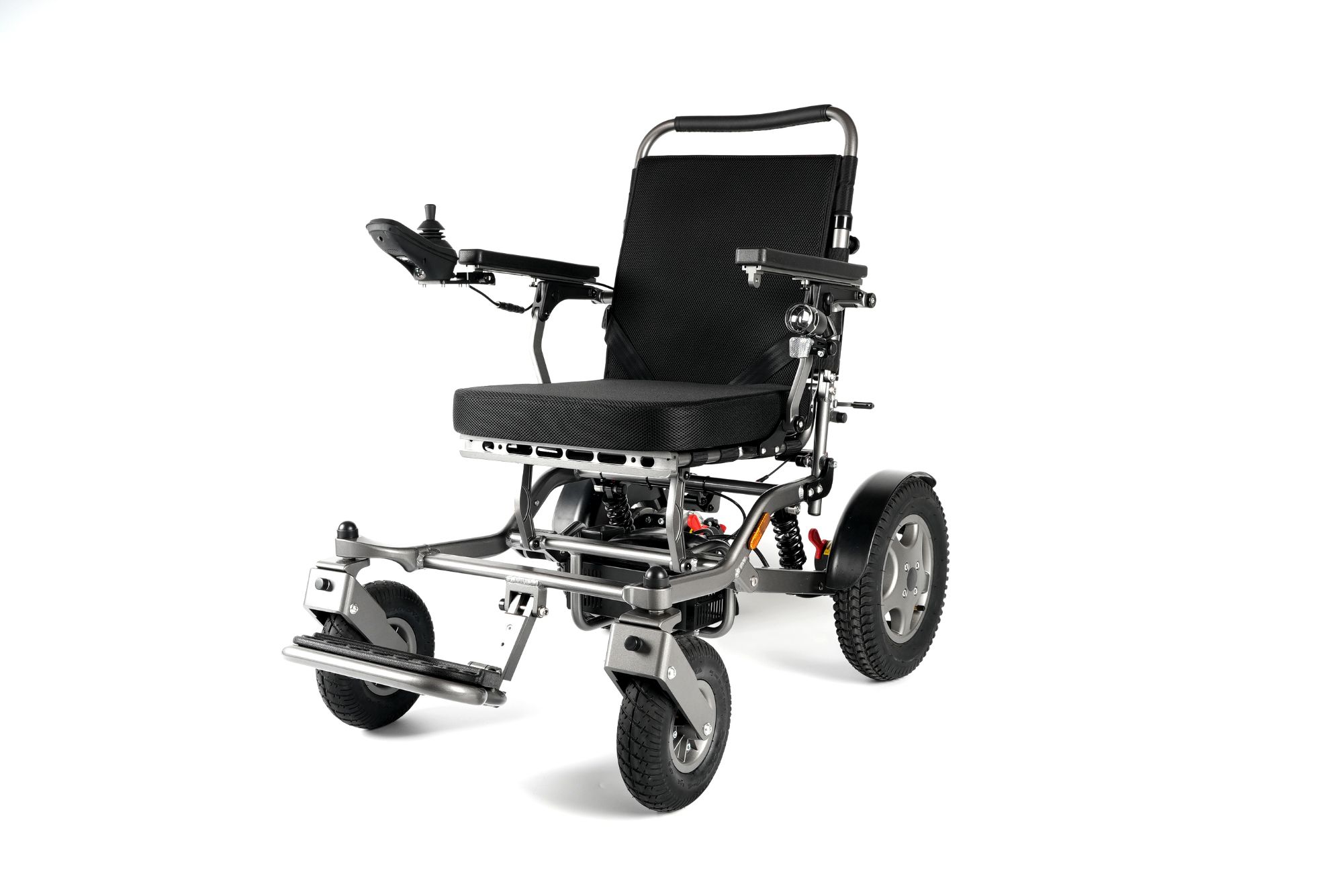
Most people fixate on the width number printed in a spec sheet, but that figure rarely tells you how the cushion will feel after forty minutes in traffic. A seat that's too narrow at the hip can pinch your thighs against the bolsters, while a cushion that's too wide leaves your torso sliding around on every corner. The shape of the side supports matters just as much as the raw measurement—gently angled wings distribute pressure, while steep, stiff bolsters dig in no matter how wide the seat is.
Seat depth is another number that looks objective but plays out differently depending on your height. Too much depth behind the knee and you'll find yourself slouching to reach the pedals, which quietly wears on your lower back. Too little depth and the front edge of the cushion cuts off support under your hamstrings. Even an inch of difference changes how much of your weight lands on your sit bones versus the back of your thighs, which is why a test sit of at least ten minutes reveals more than any brochure dimension.
Battery Longevity: Beyond the Basic Spec Sheet
Most spec sheets reduce battery life to a single cycle count, but that figure rarely reflects how the device ages in daily use. Charging habits matter just as much as chemistry: keeping a phone between 20% and 80% can slow calendar aging more effectively than occasional full discharges.
Heat is the quieter killer. Fast charging may be convenient, but if the phone sits in direct sunlight or inside a thick case while plugged in, the battery's internal temperature climbs and permanent capacity loss accelerates. Even software choices, like always-on displays or background location pings, add small but steady drain that forces earlier recharge cycles.
A more realistic measure of longevity is how the battery holds voltage under load after two years, not the advertised milliampere-hour rating on day one. That's why a phone with a slightly smaller cell but better thermal design and adaptive charging often outlasts one with bigger numbers on paper.
Navigating Tight Doorways and Steep Ramps Safely
When you're moving a wheelchair through a narrow doorway, angle the chair slightly rather than pushing straight on. This lets the footrests clear the frame without scraping. Keep your hands near the push rims and take it slow—forcing it usually leads to pinched fingers or scuffed walls. If the door opens toward you, lean back and pull the door with one hand while guiding the chair with the other.
Steep ramps demand a different posture. Going up, shift your weight forward and use short, steady pushes; leaning too far back makes the front wheels lift. Going down, turn the chair around and back down if the grade is severe, keeping your body low and centered. Never rely on the wheel locks as brakes mid-ramp—they can give way suddenly. Instead, use your hands to control the descent, letting the rear wheels slide a bit if needed.
For doorways with a raised threshold, pop a small wheelie just before the lip, then roll over it. If the ramp has no edge protection, stay dead center and watch the side wheels. Practice these moves in an empty space first so your reactions become second nature.
When Custom Controls Make Independence Possible
Standard controls assume a one-size-fits-all approach. A toggle switch placed at a fixed height, a touchscreen that demands precise taps, a voice prompt that only recognizes a narrow range of speech patterns—these invisible defaults quietly exclude anyone whose body or mind works differently. Custom controls flip that equation. By adapting the interface to the person rather than forcing the person to adapt, they turn impossible tasks into everyday routines. A sip-and-puff switch for someone with quadriplegia, a single large button that cycles through options for someone with limited fine motor skills, or a speech-to-text system trained on an individual's unique vocal patterns—each one removes a barrier that a generic device would leave in place.
The independence gained through custom controls is not just about completing a task; it's about the quiet dignity of doing it alone. When a person can turn on a light, adjust a bed, or send a message without asking for help, the emotional weight shifts. They are no longer a passive recipient of care but an active agent in their own day. That shift matters as much as the practical outcome. A customized control panel with large, high-contrast icons might let a stroke survivor manage her own thermostat and TV after months of relying on others. The technology itself is simple—often just a re-mapped button or a different timing interval—but the sense of autonomy it restores is profound.
The best custom controls often emerge from collaboration between the user and a maker or clinician, not from a factory spec sheet. A teenager with cerebral palsy might need a joystick with reduced throw and a dwell-time click instead of a separate button. An older adult with arthritis might benefit from a remote where volume and channel are combined into a single rotary dial. These solutions rarely look sleek on a store shelf, but they work because they respond to a specific body and a specific life. That is the core of independence: not a perfect universal design, but a design flexible enough to become personal.
Maintenance Habits That Prevent Mid-Trip Failures
Nothing kills the joy of a road trip faster than a breakdown in the middle of nowhere. The best defense is a simple routine you do before every long drive: check the oil level, look at tire pressure including the spare, and glance under the car for any fresh leaks. These three checks take less than ten minutes, but they catch most problems that strand people.
Many mid-trip failures come from ignored warning signs. A squealing belt, a slight pull to one side when braking, or a battery that cranks slowly on cold mornings are not random quirks—they’re early messages. Taking care of these small issues at home is far cheaper and less stressful than waiting for them to become roadside emergencies.
Also pay attention to fluids beyond oil. Coolant, transmission fluid, and brake fluid all degrade over time and can cause sudden failure if they’re old or low. Replacing them on a set schedule, even if they look okay, prevents the kind of heat- or pressure-related breakdowns that happen halfway through a trip. Keep a small log in the glovebox with dates and mileage, and you’ll never second-guess what needs attention.
FAQ
Look at the motor placement, not just the wattage. Mid-wheel drive chairs turn tighter in small apartments, while rear-wheel drive handles uneven sidewalks better outdoors. A trusted manufacturer will openly list the turning radius and the grade it can climb, usually around 6 to 10 degrees, instead of hiding behind vague marketing terms.
It changes your daily routine more than you might think. Lithium batteries add less weight and charge faster, often reaching full in four to five hours. Sealed lead-acid batteries cost less upfront but need overnight charging and lose capacity in cold weather. Ask about the realistic range at maximum user weight, not just the ideal number printed on the box.
The seat depth and backrest angle matter as much as the cushion. A good manufacturer will offer at least three inches of seat depth adjustment and a backrest that reclines or tilts independently of the base. Gel or air cushions should be paired with a solid seat pan, because a sling seat sags after several months and creates hot spots on your thighs.
Doorways and thresholds. A chair that is 26 inches wide feels stable outside but may scrape door frames in an older home. Measure the narrowest hallway and bathroom entrance before choosing. Also check the footrest ground clearance, because a low front caster can catch on a one-inch threshold and send you lurching forward.
Yes, and this is where customization matters. Programmable controllers can reduce the sensitivity so a light tap does not jerk the chair, or expand the dead zone for someone with tremors. Ask if the manufacturer offers a remote programmer or a switch-adapted joystick. These small tweaks are often free during setup but expensive to add later.
Most breakdowns come from three things: underinflated tires, loose connections, and dirty wheel hubs. Check tire pressure weekly if you use pneumatic tires, and wipe the joystick and charging port with a dry cloth every few days. A professional inspection every six months is enough for most users, unless you notice a new squeak or the chair pulling to one side.
That depends on how often you actually travel by car or plane. Folding chairs are convenient but usually have more moving parts, which means more wear over time. If you fly less than twice a year, a rigid frame with a comfortable seat is often the better daily chair. For frequent flyers, look for a folding model with an airline-approved lithium battery that you can remove without tools.
Conclusion
When a manufacturer with decades of rehab seating experience talks about electric wheelchairs, the first thing they stress is that stability and agility aren't opposing goals. A well-designed base with a low center of gravity and independently sprung casters lets you pivot in a tight hallway without feeling tippy, while seat dimensions—especially width, depth, and back angle—determine whether you can sit through a meal or a movie without pressure sores. It's not just about fitting through doorways; it's about fitting your body. Battery longevity, too, goes beyond the printed amp-hour rating. Real-world range depends on tire pressure, terrain, temperature, and how often you allow partial charges. Keeping lithium batteries between 20% and 80% for daily use and doing a full calibration charge once a month prevents the sudden range drops that spec sheets never mention.
Navigating a 28-inch bathroom door or a 1:12 ramp safely means paying attention to the chair's overall width, turning radius, and anti-tip geometry, but also practicing your approach angle. A trusted manufacturer will recommend test-driving your usual routes before buying, and then adding custom controls only if standard joysticks cause fatigue or tremors. Options like head arrays, sip-and-puff switches, or attendant joysticks aren't add-ons; for some users they are the difference between dependence and independence. Finally, maintenance habits are what keep you from getting stranded. Wiping down the joystick contacts, checking the caster forks for hair and debris, torquing the seat bolts monthly, and storing the chair in a dry place do more than any warranty. If you hear a new squeak or feel a hesitation, address it that week—not after the mid-trip failure.
Contact Us
Contact Person: Calvin Fan
Email: [email protected]
Tel/WhatsApp: 8618913265607
Website: www.freedom-chair.com