

Emergency Generator Set Recommendations: Top Picks for Dependable Backup Power
2026-08-09
When the grid fails, having a trustworthy backup is non-negotiable. Whether it's keeping critical systems online or simply ensuring your home stays lit, the right emergency generator makes all the difference. In this guide, we cut through the noise to deliver our top recommendations for dependable backup power—featuring insights from Hichai Power, a name synonymous with resilience and innovation. Discover which sets truly deliver when darkness strikes.
What Defines a Truly Dependable Emergency Generator?
A truly dependable emergency generator isn’t just about having backup power—it’s about trust. When the grid fails, you need a machine that starts without hesitation, runs smoothly, and handles the load you throw at it. This reliability comes from robust engineering, not flashy features. Look for a generator with a proven engine design, preferably one that’s been battle-tested in harsh conditions. Simplicity matters too: fewer electronic components mean fewer points of failure when you’re counting on it most.
Fuel readiness is the silent killer of generator reliability. Even the best engine won’t save you if the fuel has gone stale or the tank is empty. A dependable unit includes intelligent fuel management—think automated cycling to keep fuel fresh, or dual-fuel capability so you can switch to propane when diesel runs low. Regular maintenance alerts, not just on paper but through visible, easy-to-check indicators, make the difference between a machine that’s always ready and one that surprises you with silence.
Finally, real dependability shows itself under stress. It’s the generator that holds voltage steady when the air conditioner kicks on, that doesn’t choke in extreme cold, and that continues humming quietly through a multi-day outage. This requires a high-quality alternator with tight voltage regulation and an enclosure designed for both noise reduction and weather resistance. When researching, listen for anecdotes from actual users—commercial crews or rural homeowners—who’ve leaned on their unit through real emergencies. Their stories reveal whether a brand delivers on its promise of dependability, beyond the spec sheet.
Standby vs. Portable: Matching the Backup Solution to Your Lifestyle
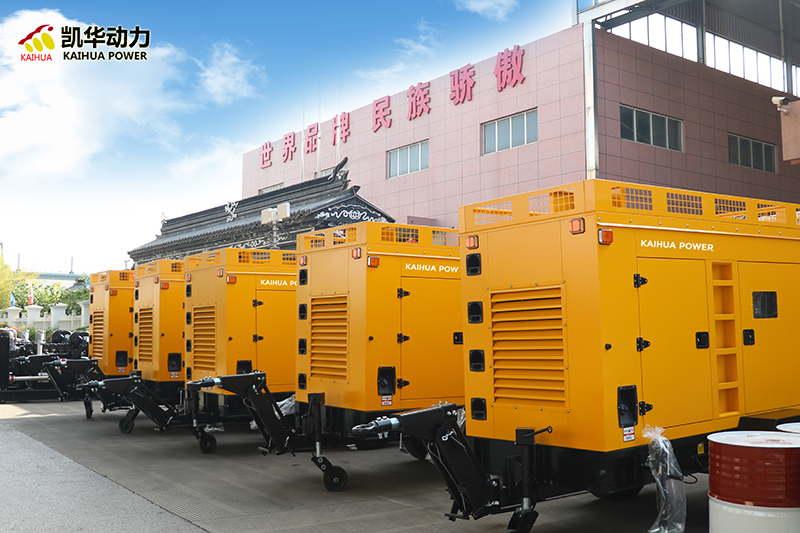
Some folks need a backup system that sits quietly in the corner, always ready to spring into action the moment a power flicker hits. That’s the standby approach—permanently installed, hardwired into your home or office, and powerful enough to keep the essentials running without a second thought. It’s a set-it-and-forget-it safety net, perfect for anyone who values constant protection over flexibility.
Portable backups, on the other hand, are for the movers and tinkerers. Lightweight and compact, they can ride along on camping trips, job sites, or tailgates, bringing power wherever you roam. They won’t run your whole house, but they’ll keep your phone alive, run a small appliance, or juice up tools when you’re far from an outlet. The trade-off is capacity for freedom—you decide how much you’re willing to carry.
Matching the two to your lifestyle comes down to routine. If your days revolve around a fixed location and you dread the thought of spoiled food or a dead sump pump, standby earns its keep. But if your evenings linger on a patio or your weekends vanish into the woods, a portable unit slips into your rhythm more naturally. Think about what “being prepared” means in your world, and the choice gets a lot simpler.
Fuel Choices and Their Impact on Long-Term Reliability
The fuels that keep our engines running do more than just propel us forward; they quietly shape the lifespan and dependability of the entire system. Every fill-up is a choice between immediate cost and enduring health, between a quick fix and a long-term relationship with the machine. Low-quality or inconsistent fuel doesn’t simply vanish after combustion—it leaves behind residues that gradually choke filters, corrode injectors, and strain pumps. Over time, these invisible deposits transform a responsive engine into a temperamental one, turning what should be routine operation into a series of unexpected failures.
Modern biofuels and ethanol blends, while friendlier in some ways, introduce a different set of reliability puzzles. Ethanol’s hygroscopic nature invites moisture into fuel systems, promoting rust and microbial growth that standard filters were never designed to handle. Meanwhile, the shift to ultra-low-sulfur diesel, originally an environmental win, stripped away the lubricity that older injection systems count on, accelerating wear and inviting sudden breakdowns. Even premium synthetics can’t fully escape the truth: the chemical profile of your fuel directly dictates seal compatibility, injector coking rates, and the rhythm of maintenance intervals.
Choosing a fuel isn’t merely about what’s cheapest at the pump or which boasts the highest octane rating. It’s about matching the fuel’s character to the engine’s design age, operating conditions, and storage realities. A generator sitting idle for months demands a treated, stable fuel that won’t varnish or phase-separate. A daily driver in stop-and-go traffic benefits from additives that keep combustion chambers cleaner, reducing deposit-related misfires. Ignoring these nuances won’t trigger a catastrophe tomorrow, but it sets a quiet clock ticking—one that eventually rings in the form of a stranded vehicle or a costly rebuild. Long-term reliability isn’t a lucky break; it’s a cumulative reward for deliberate fuel decisions made at every single tank.
Noise Levels, Placement, and Permits: The Overlooked Essentials
When setting up any kind of machinery or outdoor equipment, most people fixate on power and performance, forgetting that acoustics can make or break a project. Noise levels aren't just a minor inconvenience; they're often regulated by local ordinances that specify decibel limits for different times of day. A unit that hums quietly in the showroom might roar like a jet engine when placed near a reflective wall or in a confined space. It pays to check the manufacturer's sound ratings and compare them against your tolerances and legal obligations—especially if you're in a residential area where noise complaints can escalate quickly.
Placement is another detail that's rarely given the attention it deserves. Even the most efficient device will underperform if it's boxed into a corner with poor ventilation or placed on an unstable surface that amplifies vibrations. Think about airflow, access for maintenance, and the direction of exhaust or noise output. A unit that's set too close to a property line might inadvertently broadcast its operating hum straight into a neighbor's bedroom window. The angle, the materials around it, and even the prevailing wind can turn a minor background sound into a persistent nuisance.
And then there are the permits—the paperwork nobody wants to deal with but everybody regrets skipping. Depending on your location, you might need zoning approval, noise variance permits, or structural clearances before installation ever begins. Some areas require an inspector to sign off on the final placement, while others demand a public notice period if the decibel levels exceed a certain threshold. Ignoring these steps can lead to fines, forced relocation, or expensive retrofits. Getting the green light beforehand isn't just bureaucratic red tape; it's a form of insurance against future headaches.
Smart Features That Turn a Basic Generator into a Home Ally
Imagine it’s the middle of a storm, the power cuts out, and instead of fumbling in the dark, your generator quietly hums to life on its own, restoring comfort without you lifting a finger. That’s the magic of smart auto-start systems—they sense outages instantly and kick in within seconds, so your fridge stays cold, your security system stays online, and your family barely notices the hiccup.
But it goes beyond just turning on. Modern generators can connect to your phone, sending you real-time fuel levels and maintenance alerts. You can check whether there’s enough propane to last through the night even while you’re miles away, or schedule a monthly self-test so you know it’s always ready. This isn’t a clunky piece of machinery anymore; it’s a thoughtful partner that keeps an eye on things when you can’t.
Then there’s the quiet intelligence that tailors power usage to what you actually need. Rather than running at full throttle all the time, smart load management prioritizes your critical appliances—like the medical device or the sump pump—and dials back power to less essential outlets. It’s efficient, it’s considerate, and it transforms a once-basic backup tool into something that truly protects your home’s rhythm.
The Maintenance Calendar: Simple Routines to Ensure Instant Readiness
A maintenance calendar isn't just a chore list—it's a quiet promise to your future self. When you embed small, repeatable tasks into the rhythm of your week, readiness stops being a scramble and becomes a reflex. Think of it as curating a living document where each checkmark buys you peace of mind, whether it's testing the backup generator on the first Sunday of the month or simply wiping down the grill grates before they become a science project. The magic lies in consistency, not complexity; a scrawled note on the fridge can be as effective as a sleek app, as long as it nudges you to act before necessity forces your hand.
Building your own system is less about rigid scheduling and more about noticing the natural cadence of your life. Attach inspection routines to existing habits: while your morning coffee brews, give the fire extinguisher a quick glance, or right after you pay the monthly bills, run a diagnostic on your home security setup. Rotate deeper checks seasonally—purge and restock the first-aid kit when you swap out winter coats, or test smoke alarms during daylight saving shifts. The goal isn't a perfect record; it's making readiness so familiar that it feels strange not to do it. Over time, your maintenance calendar evolves into a quiet anchor, keeping panic at bay and ensuring you're never caught off guard.
FAQ
Based on performance and user feedback, brands like Generac, Kohler, and Briggs & Stratton consistently deliver dependable backup power. Generac's Guardian series is particularly popular for its seamless integration with home systems, while Kohler's units are praised for their robust engines and quiet operation. For a more budget-conscious pick, Champion Power Equipment offers solid reliability with dual-fuel options that add flexibility during extended outages.
Start by listing the appliances and systems you can't live without during an outage—think refrigerators, sump pumps, medical devices, and a few lights. Add up their starting and running wattages. A typical mid-sized home often does fine with an 8,000- to 12,000-watt portable generator, but if you want whole-house coverage, a 20,000-watt standby generator is a safe bet. Overloading can damage both the generator and your electronics, so it's worth rounding up your estimates.
Standby generators cost more upfront—often $3,000 to $6,000 before installation—but they kick in automatically within seconds of an outage, run on your home's natural gas or propane supply, and can power everything seamlessly. Portables are cheaper, but you'll need to manually set them up, refuel them regularly, and run extension cords. For frequent or prolonged outages, the convenience and home value added by a standby model are hard to beat.
It depends on your situation. Natural gas is convenient because it's piped in, so no refueling, but it may be interrupted during disasters. Propane stores cleanly and lasts indefinitely, making it great for infrequent use. Diesel generators are fuel-efficient and durable, but the fuel degrades over time and needs stabilizers. Dual or tri-fuel models offer versatility—you can switch based on availability. For most homeowners, a natural gas standby or a dual-fuel portable strikes the right balance.
It's not a DIY project unless you're a licensed electrician and plumber. Standby generators need a transfer switch to safely connect to your home's electrical panel and a gas line hookup—both of which require permits and inspections. A professional installation ensures code compliance and safety, especially preventing backfeeding that could endanger utility workers. Budget about $2,000 to $5,000 for labor and materials, but it's money well spent for peace of mind.
Run your generator under load for about 20-30 minutes every month to keep the engine lubricated and the battery charged. Change the oil after the first 25 hours, then every 50-100 hours depending on the model. Store fresh fuel with a stabilizer, and replace it every six months if using gasoline. Also, check and clean the air filter, spark plugs, and battery terminals regularly. A well-maintained generator can start instantly when you need it most.
Inverter generators are significantly quieter, often producing 50-60 decibels—about the level of normal conversation. The Honda EU2200i is a favorite for its reputation for whisper-quiet output and clean power suitable for sensitive electronics. WEN and Yamaha also offer competitive inverter models. For standby units, Kohler and Generac make sound-attenuated enclosures. Placing the generator on a vibration-absorbing pad and away from windows further reduces noise complaints.
Solar generators like those from Goal Zero or Jackery have evolved—they're silent, emission-free, and perfect for short outages or camping. However, their capacity is limited, so they struggle with large appliances like central AC or electric water heaters. They shine when paired with rooftop solar panels for indefinite recharge capability. Think of them as a complementary system rather than a primary backup for a whole house, unless you have a substantial battery bank and an extended solar array.
Conclusion
Choosing the right emergency generator starts with understanding what makes a unit truly dependable in a crisis. It's not just about raw power output—reliability hinges on robust build quality, a proven engine, and consistent performance under load. For homeowners, the first big decision is whether a permanently installed standby generator or a portable unit fits their lifestyle best. Standby models, connected to your home's natural gas or propane line, offer seamless, automatic backup for days-long outages with zero manual effort. Portable generators, on the other hand, provide flexible, budget-friendly power but require you to be present to start, refuel, and manage cords. Fuel type is a cornerstone of long-term reliability: diesel generators are workhorses known for durability and efficiency, while natural gas units never need refueling but depend on utility supply. Propane strikes a middle ground with clean, stable storage life, and gasoline is widely available but degrades quickly. Your choice directly affects how often you'll need to run maintenance cycles and whether the unit will fire up instantly when the grid goes down.
Beyond the engine, often-overlooked factors like noise levels, placement, and local permits can make or break your backup power experience. A generator that roars like a jet engine may violate noise ordinances and strain neighborly relations, so compare decibel ratings and invest in sound-dampening enclosures or strategic landscaping. Local codes often dictate minimum distances from structures and property lines, and some areas require permits—ignoring these can lead to fines or unsafe installations. Modern smart features add a layer of convenience that transforms a basic generator into a home ally: remote monitoring via smartphone apps, automatic self-testing, and load management let you check status, receive alerts, and prioritize essential circuits without leaving your house. These technologies also simplify compliance with a maintenance calendar. Simple routines—weekly self-tests, monthly battery checks, oil changes after a set number of hours, and keeping the fuel system clean—are all that stand between you and a dark, powerless house. By combining the right generator type, fuel strategy, considerate placement, and a disciplined upkeep schedule, you'll have a backup power setup that's ready the moment you need it, without drama or second-guessing.
Contact Us
Contact Person: Ms. Lu
Email: [email protected]
Tel/WhatsApp: 8618917899306
Website: https://www.hichaipower.com