

Export Copper Pipe: A Comprehensive Guide to International Trade and Shipping
2026-03-30
Navigating the complexities of international trade can be daunting, especially when it comes to specialized products like copper pipes. As global demand for durable and efficient piping solutions grows, understanding the export process becomes crucial for businesses looking to expand their reach. This comprehensive guide offers a step-by-step walkthrough of shipping and trade nuances, drawing from industry insights and practical expertise. At the forefront of innovation, Jiangsu Baowu New Materials exemplifies the quality and reliability that international markets seek. By diving deep into this guide, you'll uncover key strategies and avoid common pitfalls, empowering you to make informed decisions in a competitive landscape. Whether you're a seasoned exporter or new to the field, this resource is designed to spark curiosity and set the stage for a smoother, more successful venture into global copper pipe trade.
The Global Copper Pipe Market: Trends and Opportunities
The global copper pipe market continues to evolve as demand surges across sectors like construction, plumbing, and HVAC systems. In recent years, changing building codes emphasizing sustainability and material durability have driven a shift toward copper due to its corrosion resistance and recyclability. For instance, green building certifications in North America and Europe increasingly favor copper, boosting its adoption in residential and commercial projects. This trend is creating lucrative opportunities for manufacturers to expand their product lines and target eco-conscious consumers. Additionally, infrastructure investments in emerging economies are fueling growth, as copper pipes are integral to water supply and heating networks.
Opportunities in the market are further amplified by technological advancements, such as the development of thinner, high-performance copper pipes that reduce material costs while maintaining strength. Innovations in manufacturing processes, like enhanced extrusion techniques, are enabling companies to produce pipes with improved thermal conductivity and longevity. This not only meets the needs of modern construction but also opens doors in niche applications, including renewable energy systems where copper is used in solar thermal installations. As a result, businesses can capitalize on these innovations to differentiate themselves in a competitive landscape, offering tailored solutions that address specific industry pain points.
However, challenges such as price volatility of raw copper and competition from alternative materials like PVC and PEX must be navigated. Market players can overcome these hurdles by focusing on strategic partnerships, such as collaborations with recycling firms to ensure a steady supply of recycled copper, reducing environmental impact. By highlighting copper's long-term benefits, companies can position themselves for growth in regions like Asia-Pacific, where rapid urbanization and industrial expansion are driving demand. Overall, the market's future looks promising, with trends in sustainability and innovation paving the way for new revenue streams and enhanced global presence.
Navigating International Regulations for Exporting Copper Pipes
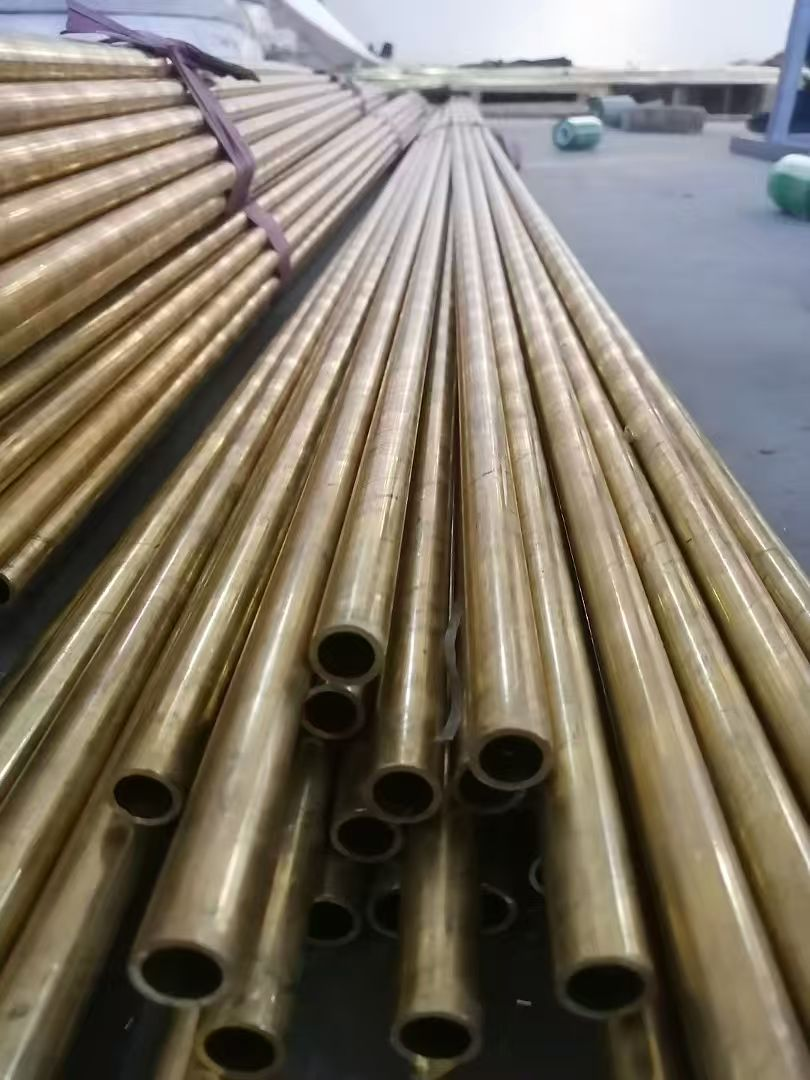
Exporting copper pipes involves dealing with a maze of international rules that can trip up even seasoned traders. You'll need to check specific requirements for each destination country, as regulations vary widely—some nations demand detailed documentation on material composition, while others focus on environmental or safety standards. It's crucial to stay updated on trade agreements that might affect tariffs or shipping procedures, as these can change without much notice, impacting your bottom line.
A key challenge is ensuring compliance with certification bodies like ISO or ASTM, which often require third-party testing to verify copper quality and performance. Don't overlook packaging and labeling rules either; improper handling can lead to costly delays or rejections at customs. Many exporters find it helpful to consult with local agents or use specialized software to track regulatory changes in real-time, avoiding last-minute surprises that could derail shipments.
To stand out in the market, consider developing a tailored compliance strategy that addresses niche requirements, such as those for medical or marine applications. By proactively adapting to regional trends and building strong relationships with customs officials, you can streamline the export process and gain a competitive edge, turning regulatory hurdles into opportunities for smoother, faster transactions.
Customs Documentation and Compliance Essentials
Navigating customs requires precise attention to documentation, as incomplete or inaccurate forms can lead to costly delays and fines. Key documents often include commercial invoices, packing lists, and certificates of origin, each serving to verify the contents and value of shipments. Ensuring these are filled out correctly and in line with the importing country's regulations is crucial for smooth clearance processes.
Compliance goes beyond paperwork, involving adherence to international trade laws and specific product standards. For instance, items like electronics or food may require additional approvals or testing to meet safety and quality guidelines. Staying updated on changing regulations and using specialized software or expert advice can help businesses avoid non-compliance issues that might disrupt supply chains.
A proactive approach to customs essentials can enhance efficiency and reduce risks, fostering better relationships with authorities and partners. By prioritizing accurate documentation and thorough compliance checks, companies can streamline operations and minimize unexpected hurdles, ultimately supporting more reliable and cost-effective global trade.
Packaging and Logistics for Safe Copper Pipe Shipment
Shipping copper pipes requires careful planning to prevent damage and delays. Start by choosing sturdy packaging, like corrugated cardboard sleeves or wooden crates, especially for longer pipes, to protect them from bends and scratches. Cushioning materials, such as bubble wrap or foam inserts, can shield the ends and surfaces during handling. Secure the pipes tightly with straps or bands to avoid movement inside the package, which could lead to dents or leaks.
For logistics, selecting the right transport mode is key—consider cost, transit time, and destination. Ground shipping is often reliable for shorter distances, while air or sea freight might suit international deliveries. Work with carriers experienced in handling metal goods to ensure proper loading and unloading procedures. Include clear labels on packages, indicating "fragile" or "handle with care," and provide tracking information to monitor the shipment's progress and address any issues promptly.
Beyond basic steps, tailor your approach to the specific pipe dimensions and quantities. For bulk shipments, use pallets to streamline loading and reduce handling risks. Implement a quality check before dispatch to confirm pipes are free from defects, and include documentation like packing lists and invoices for smooth customs clearance. This proactive strategy not only safeguards the copper but also boosts customer satisfaction by delivering intact products on time.
Understanding Tariffs and Trade Agreements
Tariffs play a pivotal role in global economics, acting as taxes imposed on imported goods to influence trade flows and protect domestic industries. These charges can vary widely, from specific duties based on quantity to ad valorem rates calculated as a percentage of a product's value. By adjusting tariff levels, governments aim to control competition, generate revenue, and address trade imbalances. However, the impact extends beyond borders, as higher tariffs may lead to increased consumer prices and potential retaliation from trading partners, creating complex ripple effects across international markets.
Trade agreements, on the other hand, are formal pacts between countries designed to reduce or eliminate tariffs and other barriers to commerce. These agreements often involve intricate negotiations covering tariffs, quotas, and regulatory standards, with the goal of fostering smoother and more predictable trade relations. Examples like NAFTA or the EU's single market showcase how such deals can boost economic integration and growth by lowering costs for businesses and consumers alike. Over time, trade agreements evolve to address new challenges, such as digital trade and environmental concerns, ensuring they remain relevant in a rapidly changing world.
Understanding tariffs and trade agreements is crucial for businesses and policymakers, as they directly affect competitiveness and economic stability. While tariffs can be tools for protectionism, trade agreements promote cooperation and market access. In today's interconnected economy, balancing these elements requires careful analysis of trade-offs, such as protecting jobs versus encouraging innovation. By staying informed about these mechanisms, stakeholders can navigate international trade more effectively, leveraging opportunities while mitigating risks to contribute to sustainable global development.
Building Relationships with Overseas Buyers and Distributors
Forge authentic connections with overseas buyers and distributors by prioritizing trust and cultural understanding. Engage in regular, transparent communication through video calls or personalized emails to build rapport beyond mere transactions. Tailor your approach to local market nuances, such as adapting product descriptions to resonate with regional preferences, which can differentiate you from competitors who rely on one-size-fits-all strategies.
Leverage joint ventures or exclusive partnerships to create mutual investment in success, offering unique incentives like flexible payment terms or collaborative marketing efforts. This fosters loyalty and encourages distributors to champion your brand, turning them into advocates rather than just intermediaries. By co-developing localized campaigns, you can tap into their on-the-ground insights to refine offerings and capture market share more effectively.
Maintain consistency and reliability in product quality and delivery timelines to solidify long-term relationships, while staying adaptable to feedback and market shifts. A proactive approach, such as sharing industry trends or hosting virtual networking events, can keep your brand top-of-mind and position you as a reliable, forward-thinking partner in a crowded global marketplace.
FAQ
The process typically begins with market research and compliance checks, followed by production, packaging, labeling, customs clearance, and arranging logistics for shipment to the destination country.
Copper pipes are usually packed in sturdy crates or bundles with protective padding, sealed against moisture, and clearly labeled with handling instructions to prevent bending, denting, or corrosion during transit.
Essential documents include commercial invoices, packing lists, certificates of origin, export licenses, and any specific health or safety certificates required by the importing country's regulations.
Yes, issues like fluctuating tariffs, varying international standards, logistical delays, and ensuring proper handling to avoid damage or theft are frequent hurdles exporters encounter.
Labels should include product specifications, weight, destination, handling symbols, and hazard warnings if applicable, using durable materials to withstand transport conditions.
Regularly consulting industry associations, government trade websites, and international shipping partners helps exporters adapt to new laws and tariffs efficiently.
Conclusion
In the dynamic realm of international trade, exporting copper pipes presents lucrative opportunities driven by global demand in construction and infrastructure. Navigating this market demands an in-depth understanding of trends, such as shifts toward sustainable materials and emerging economies' growth. Key to success is adeptly managing international regulations, which vary by country and impact everything from quality standards to environmental compliance. By staying informed on these aspects, exporters can position themselves strategically to capitalize on market openings while mitigating risks associated with regulatory hurdles.
Effective export operations hinge on meticulous attention to documentation and logistics. Ensuring proper customs paperwork and adherence to trade agreements is crucial for smooth clearance and avoiding delays. Additionally, robust packaging and logistics strategies safeguard pipes during transit, minimizing damage and costs. Building strong relationships with overseas buyers and distributors further enhances reliability and market penetration. By integrating these elements—from tariffs to partnerships—exporters can streamline processes, foster trust, and achieve sustainable growth in the competitive global arena.
Contact Us
Contact Person: Zoe Liang
Email: [email protected]
Tel/WhatsApp: 86 189 2128 6299
Website: https://www.baowuchina.com