

Garage Gym Machine Manufacturer Reveals How to Build a Pro-Level Home Gym on a Budget
2026-05-15
Ever dreamed of having a pro-level garage gym without draining your savings? As a leading garage gym machine manufacturer, Yingruis pulls back the curtain on how to get commercial-grade results on a real-world budget. In this post, you'll discover insider secrets that turn a cramped space into a high-performance training zone—without the usual markup. Ready to rethink what's possible for your home setup?
The $500 Mistake We See in Every Home Gym Build
We see it every single time—a shiny new rack, pristine barbells, and then... a cheap, wobbly bench that belongs in a 1980s motel. The bench is the foundation of nearly every upper-body movement, yet it’s the piece most people skimp on. That “saving” of $300 to $500? It’s a direct trade for stability, safety, and long-term joint health. When you’re pressing heavy, a narrow back pad or a frame that rocks side to side isn’t just annoying; it redistributes force unevenly into your shoulders and elbows, setting you up for overuse injuries that can sideline you for months.
The mistake isn’t just about weight capacity—it’s about geometry and materials. A quality bench has a wide, dense pad that stays flat under 400+ pounds, a tripod or box-frame base that won't scoot on rubber flooring, and a gripper pad surface that keeps your shirt from sliding during arch-heavy bench setups. The difference between a $150 bench and a $500 one isn’t branding; it’s the absence of pinch points when you adjust the seat, the seamless tilt mechanism that doesn’t require two hands and a prayer, and the sheer heft that keeps the bench rooted when you’re doing step-ups or Bulgarian split squats. Skimp here, and you’ll find yourself dreading bench day—not because of the weight, but because you’re fighting the equipment.
Before you add that second barbell or a cable tower, take a hard look at your bench. Upgrade to something with a 12-inch-wide pad, a 1,000-pound weight rating, and adjustability that covers decline, flat, and at least three incline angles. It’s the boring purchase that makes every other piece of gear work better. And the best part? A well-built bench will outlast three squat racks—it’s the silent workhorse that quietly saves your shoulders, set after set.
Why Thicker Steel Isn't Always Better for Your Rack
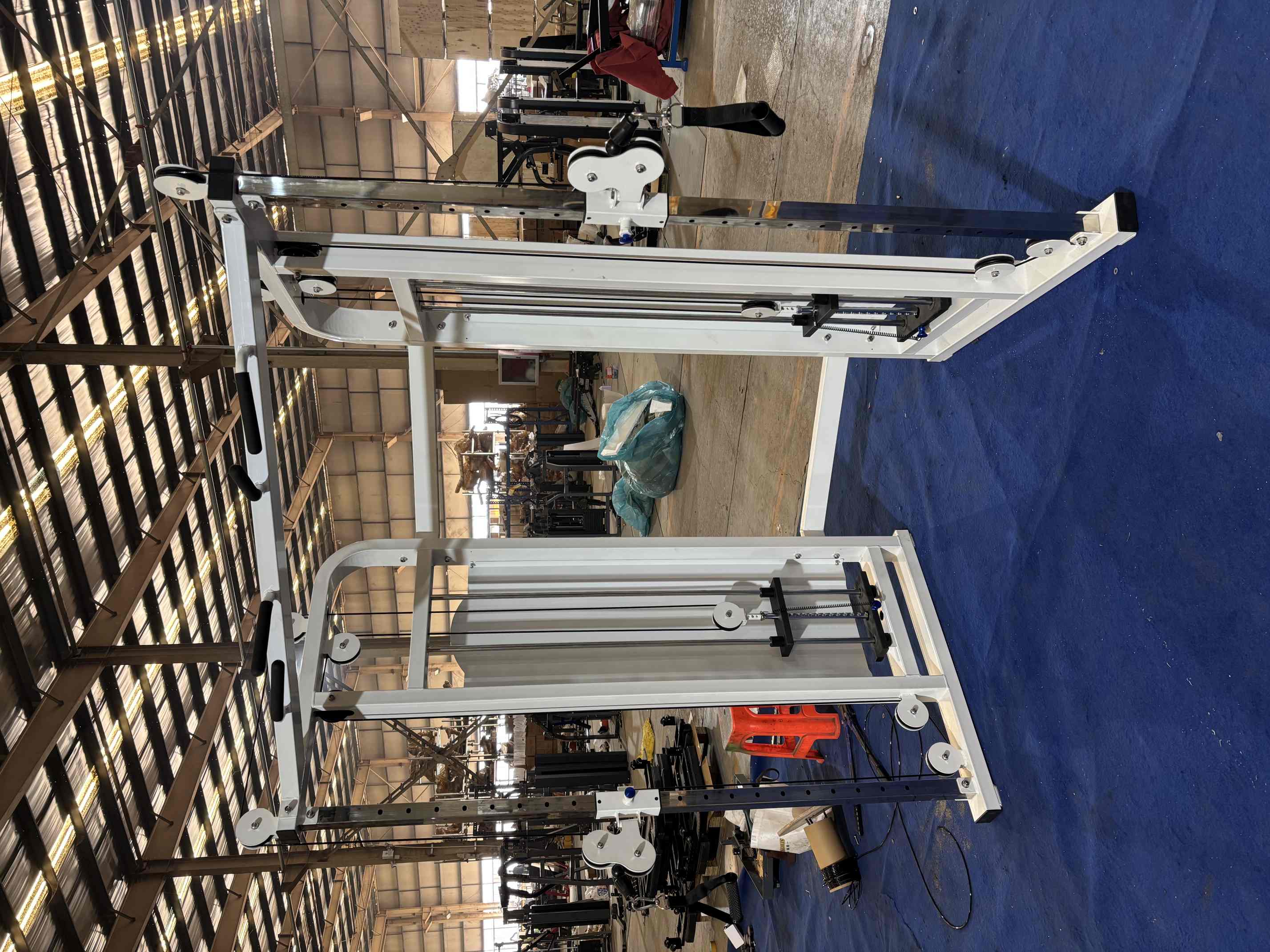
At first glance, a rack built from thicker steel feels like the obvious choice—it promises ruggedness and a sense of invincibility. But in practice, that extra thickness often brings downsides that outweigh the perceived benefits. Excessively heavy steel makes the rack a nightmare to move, assemble, or adjust, especially in home gyms where space and floor protection matter. You might also end up with a structure that’s over-engineered for the loads you actually lift, adding needless strain on your floor and your wallet.
What really counts is how the steel is shaped and joined. A well-designed rack with smart gusseting, reinforced corners, and quality welds can handle serious weight without relying on raw plate thickness. Many premium racks use lighter gauge tubing formed into strong profiles, distributing stress efficiently and avoiding the bulk and cost of thicker plates. This keeps the rack stable under load while staying practical for everyday use.
Another overlooked factor is corrosion resistance and finish quality. Thicker steel can sometimes mean a rougher surface that’s more prone to rust if not properly finished, whereas a properly coated, thinner gauge rack often withstands humidity and sweat far better. Ultimately, the best rack is one that balances strength, usability, and longevity—not just the one with the heaviest numbers on a spec sheet.
Our 15-Minute Test That Separates Junk from Gym-Ready Gear
Not all gym gear is created equal, but who has time to weed through the duds? That’s where our brutal 15-minute check comes in. We put every piece through a series of real-world moves—think burpees, kettlebell swings, and a quick sprint—to see if it holds up or falls apart. If the seams pop or the fabric restricts you, it’s out. No mercy.
Beyond durability, we look for the subtle stuff you’d notice only after weeks of wear. Does the waistband roll during squats? Are the pockets deep enough to hold your phone without it flopping around? We even check how the material handles sweat and friction. Some fabrics turn into sandpaper after the first wash; others stay smooth and stretchy. Our test mimics months of abuse in just 15 minutes.
The result? A clear verdict: either the gear earns a spot in your gym bag, or it gets tossed before you regret the purchase. We’ve done this enough to know that price tags mean nothing—some budget finds outperform their premium cousins. The test is quick, but it’s honest, and it saves you the hassle of returning stuff that should’ve never been sold.
How to Turn a Single Cable Machine into a Full-Body Station
A single cable machine might seem limited, but with a few simple adjustments, you can target nearly every muscle group. The key lies in changing your body position relative to the pulley and using different attachments. Start by setting the pulley at its highest point for pull-down variations that hit your lats and biceps, then drop it to the lowest notch for upright rows, curls, and deadlifts that engage your hamstrings and glutes. Even mid-level settings open up rotational core exercises like woodchops, which are hard to replicate with free weights.
To build a true full-body circuit, sequence your moves to flow from upper to lower body without stopping. For instance, pair a single-arm chest press with a rear lunge and a cable twist, then immediately repeat on the opposite side. This not only saves time but also elevates your heart rate, blending strength and cardio. Because the cable provides constant tension, your stabilizing muscles work overtime, making familiar exercises feel fresh and more challenging.
Don’t overlook the machine’s ability to train in multiple planes. Most gym-goers move only forward and backward, but lateral and rotational motions are where the cable shines. Add side lunges with a chest fly, or attach an ankle strap for hip adduction and abduction. You can even simulate sled pushes or farmer’s walks by anchoring the cable low and walking away from the stack. Mastering these variations transforms a single station into a versatile tool that leaves no muscle group behind.
The Flooring Hack That Saves Your Joints and Your Wallet
Switching to softer flooring materials like cork or luxury vinyl plank can dramatically reduce the daily impact on your knees, hips, and back. Unlike unforgiving tile or hardwood, these surfaces have a slight give that absorbs shock with every step, easing pressure on aging joints without sacrificing style.
Best of all, you don’t need a contractor to cash in on the savings — many modern options snap together without glue or nails, letting you skip labor costs. Priced far below traditional hardwood, they deliver the same warm look for a fraction of the price while keeping you pain-free during long hours of cooking or standing.
Pair the new floor with a quality underlayment and you’ll boost comfort even more, adding a layer of cushioned support that also dampens sound. It’s a practical upgrade that pays off in both physical well-being and long-term budget, proving that sometimes the smartest fixes are the ones you feel beneath your feet.
When to Buy Used Equipment (and When to Run Away)
Buying used gear can be a brilliant way to upgrade your setup without draining your wallet. The sweet spot often lies in items that depreciate quickly but hold up well over time—think audio interfaces, mic stands, or even high-end microphones from brands known for durability. If the seller has a solid reputation, offers a return window, and the item has been gently used rather than abused, you’re likely walking away with a steal.
That said, there are clear red flags that should make you run, not walk. Be wary of anything with complex electronics that are prone to failure, like vintage synthesizers with dying capacitors or interfaces that rely on outdated drivers. Cosmetic damage is one thing, but if a piece of gear smells like a dive bar, has been "modded" by an amateur, or comes with a story about being dropped once, it’s probably safer to save up for new or find a refurb unit from a certified dealer.
Trust your instincts and do a function check whenever possible. Turn every knob, plug into every port, and bring your own cables and headphones. A seller who rushes you or makes excuses is a giant crimson flag. Remember: the best deals come from people who simply upgraded, not from those trying to offload a problem. When in doubt, walking away is always cheaper than buying a paperweight.
FAQ
Stick to versatile, multi-use equipment. A sturdy power rack with a pull-up bar, dip attachment, and a good barbell set covers 90% of what you need. Skip the isolated machines that take up space and only train one muscle.
They recommend hitting the used market hard. Commercial gyms cycle out top-tier gear all the time. You can grab dumbbells, plates, and even racks at half the price if you’re patient and hunt local listings.
Absolutely. It forces you to master the basics with free weights. No machine stack will teach you stabilization like a barbell. Plus, you control every variable—rest times, volume, and frequency—without waiting for equipment.
Don’t cheap out here—stable footing prevents injury and keeps concrete intact. Horse stall mats from farm supply stores are the secret weapon: thick, heavy-duty rubber that costs a fraction of gym-branded flooring and does the exact same job.
Fold-away racks and wall-mounted plate storage are game changers. You can bolt a squat stand to the wall that folds out of the way when not in use. Add a bench that stows vertically, and you reclaim the floor in under two minutes.
Lighting and ventilation. You’ll suffer through summer sessions and skip workouts in a dark, stuffy space. A couple of bright LED shop lights and a box fan keep the place inviting year-round for less than you’d think.
Conclusion
Most people blow their budget right out of the gate by chasing thick steel and fancy brands, but a garage gym manufacturer who's seen thousands of setups says the real splurge-worthy items are rarely what you'd expect. That $500 mistake? It's usually a rack with way more gauge than you need for a home setup, or a pile of attachments that gather dust. Instead, he teaches a quick 15-minute evaluation: check welds, wiggle the uprights, and listen for creaks under load. If it can't handle that without drama, it won't survive a year of daily abuse. And don't get hypnotized by specs—thicker tubing often just masks sloppy engineering, while a well-braced lighter rig can outlast it.
The real game-changers come from flipping how you use space and cash. A single cable machine, for instance, becomes a total-body station once you master angle adjustments and a few key attachments—no need for a dozen standalone units. Pair that with a flooring hack that layers horse stall mats over plywood instead of pricey rubber tiles, and you've just saved your joints and a few hundred bucks. When hunting used treasures, know when to pounce: bars and dumbbells can be steals if they're not bent or rusted, but cables and moving parts? Run if they show any wear. This blend of smart testing, tactical buying, and creative repurposing builds a pro-level gym without the pro-level price tag.
Contact Us
Contact Person: Owen Wu
Email: [email protected]
Tel/WhatsApp: 86-15376736259
Website: https://www.yingruisfit.com/