

HDPE Geomembrane in China: A Comprehensive Guide to Quality and Applications
2026-06-12
High-density polyethylene (HDPE) geomembranes have become a cornerstone of modern engineering in China, protecting everything from landfills to reservoirs with unmatched durability. Yet, not all liners are created equal—sourcing quality materials can feel like navigating a maze of specs and suppliers. That is where WEN FENG STONE enters the picture, bridging the gap between advanced manufacturing and real-world demands. In this guide, we cut through the noise to explore what truly defines a reliable HDPE geomembrane, from raw resin to installation, and why China’s market is shifting toward higher standards.
The Unmatched Durability of Chinese HDPE Geomembranes
When it comes to lining projects that demand decades of reliable performance, the resilience of Chinese HDPE geomembranes often goes underappreciated. These sheets are engineered from high-density polyethylene resin with a careful balance of carbon black and antioxidants, which is what gives them an exceptional ability to resist cracking, UV degradation, and chemical attack. Unlike some alternatives that become brittle over time, a well-made Chinese geomembrane retains its flexibility even after years of direct sunlight exposure, making it a practical choice for landfills, mining, and water containment.
One aspect that really sets them apart is how they handle thermal stress. In regions with wide temperature swings, inferior liners can expand and contract themselves into failure. The material formulas used by leading Chinese manufacturers incorporate stabilizers that minimize dimensional change, so the welded seams stay intact and the barrier remains continuous. Field studies have shown these membranes maintaining their tensile strength and elongation properties well past the 20-year mark with minimal maintenance, which is something you don’t find in every product on the shelf.
What often seals the deal is the puncture resistance. During installation and backfilling, geomembranes endure a lot of abuse from rocks and equipment. The multi-layer coextrusion processes used today produce a surface that’s both tough and smooth, reducing the risk of tears that could compromise the entire system. It’s this combination of long-term oxidative stability and brute mechanical strength that makes the “durable” label more than just marketing talk—it’s a measurable feature that translates directly into lower lifecycle costs and fewer headaches for site operators.
Key Quality Parameters You Shouldn't Overlook
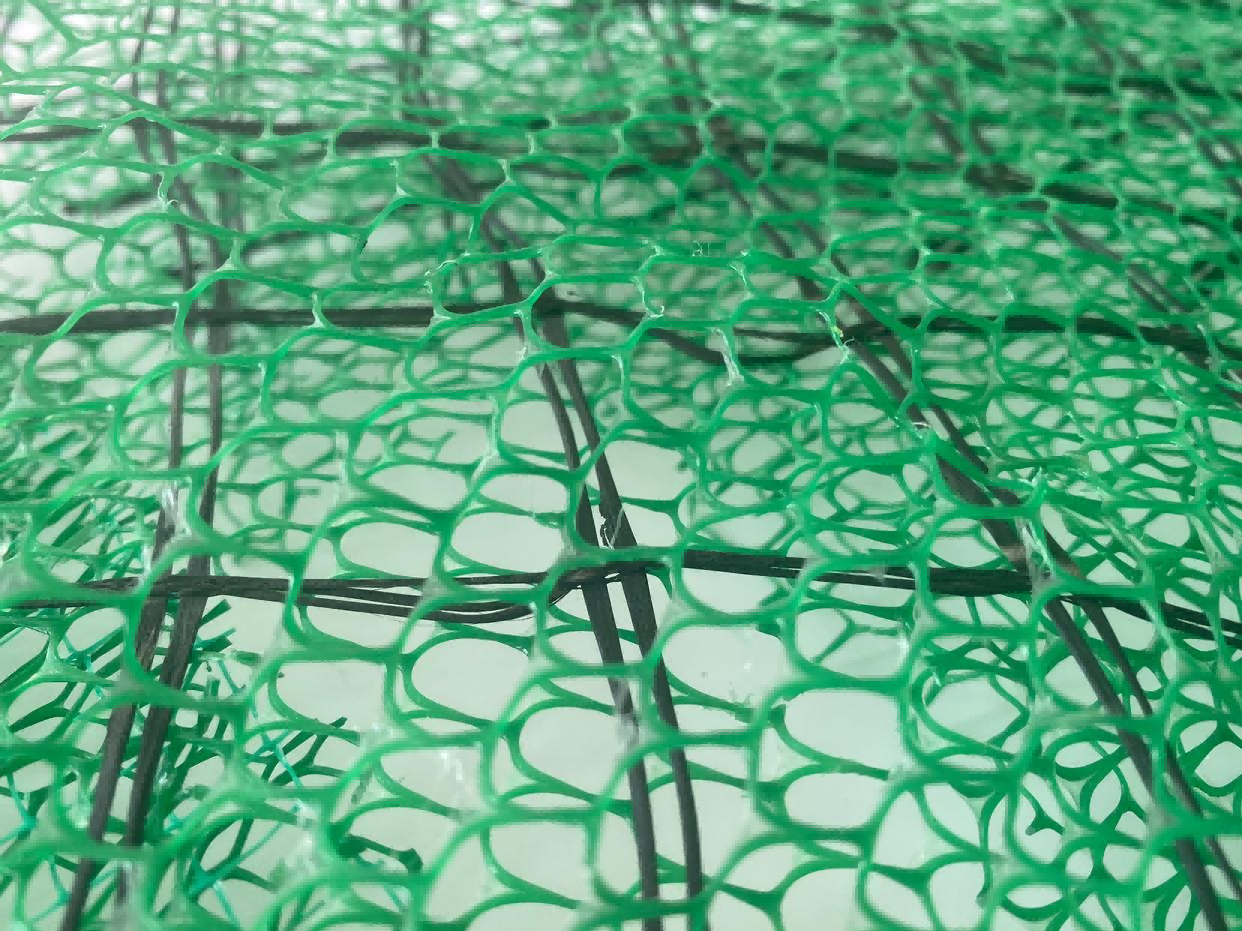
When you’re evaluating a product or service, it’s easy to get distracted by flashy marketing claims or surface-level features. What really separates a reliable choice from a risky one, however, are the underlying quality parameters that often go unnoticed until something goes wrong. These include things like material durability, consistency in manufacturing tolerances, and how well a supplier handles non-conformance when defects do arise. Ignoring them can lead to hidden costs down the line, from frequent replacements to safety hazards.
Look beyond the spec sheet and ask about testing protocols, batch-to-batch uniformity, and how the company defines acceptable quality limits. A trustworthy partner won’t hesitate to share data from their quality control checkpoints, whether it’s through statistical process control charts or detailed inspection reports. Pay special attention to parameters that directly affect longevity in your specific use case—something as minor as a coating thickness or a seal integrity test can make or break performance under real-world conditions.
Finally, don’t overlook the human element: the experience and training of the team behind the product. Certifications matter, but they’re only the starting point. Visit the facility if you can, ask how they handle feedback loops, and see if their quality culture values continuous improvement over simply meeting minimum standards. These softer signals are often the best predictors of whether those key technical parameters will actually be maintained over time.
From Landfills to Water Reservoirs: Where HDPE Liners Shine
HDPE liners are the unseen backbone of modern waste containment, effortlessly transitioning from sprawling landfills to vast water reservoirs. Their remarkable chemical resistance prevents hazardous leachate from seeping into groundwater, while their flexibility allows them to conform to uneven terrain without cracking. This adaptability makes them a go-to solution for projects that demand long-term reliability under extreme conditions.
In water storage applications, the same durable material ensures minimal seepage loss, safeguarding precious resources in agricultural ponds, aquaculture facilities, and potable water tanks. Since HDPE is inherently UV-stable and resistant to biological degradation, it outperforms traditional clay or concrete liners over decades of service. Engineers appreciate how easily large panels can be welded together on-site, creating a seamless barrier that holds up against hydrostatic pressure and settlement shifts.
The versatility truly shines when a single project requires both containment strategies—perhaps a landfill cell adjacent to a stormwater retention basin. The consistent performance of HDPE across these contrasting roles reduces installation complexity and procurement headaches. Simply put, wherever the job demands an impermeable, chemically inert, and mechanically robust liner, HDPE delivers without compromise.
Innovations Driving China's Geomembrane Industry Forward
China’s geomembrane sector has quietly transformed over the past decade, moving beyond basic production to embrace material science breakthroughs that genuinely extend product lifespans. One standout shift is the development of high-performance polyethylene formulations that resist stress cracking far better than earlier grades. Instead of merely tweaking imported resin recipes, domestic manufacturers now engineer custom compounds that balance flexibility, chemical resistance, and long-term durability for specific applications—from mining leach pads to aquaculture ponds. This isn’t flashy innovation; it’s the kind of incremental, real-world problem-solving that keeps containment systems intact in demanding environments.
Manufacturing processes have also evolved in ways that reduce flaws in the final product. Automated thickness control and multi-layer coextrusion lines, once rare, are becoming standard. These upgrades allow for precise incorporation of additives like UV stabilizers directly into the core layer, rather than just coating the surface. The result is a more homogenous sheet that stands up to prolonged sunlight and aggressive chemicals without premature degradation. Quality assurance has similarly stepped up: in-line spark testing and laser scanning for pinholes now catch irregularities that might have slipped through in manual inspections a decade ago.
On the design side, the industry is learning to build smarter, not just stronger. Textured geomembranes with engineered asperity patterns improve slope stability by increasing interface friction without relying on thicker, heavier materials. Meanwhile, conductive-backed liners that enable post-installation leak location surveys are gaining traction for critical containment projects. These adaptations reflect a deeper understanding of how installation stresses and operational conditions affect performance—knowledge that’s increasingly shared through technical consortiums and direct project partnerships rather than closed-door R&D.
Installation Best Practices for Long-Lasting Performance
Getting the installation right from day one makes all the difference in how long your equipment lasts. Start by checking the surface or mounting area is completely level and free of debris — something as minor as a small pebble under a machine foot can cause misalignment that leads to uneven wear over time. Use a spirit level, not just your eye, because slopes you think are negligible can strain bearings and mounts more than you'd expect.
Fasteners are another detail often rushed through, but they hold everything together literally and figuratively. Always follow the torque specs from the manufacturer rather than going by feel. Over-tightening can warp housings just as easily as under-tightening can allow movement and vibration. If you're working in an area with a lot of temperature swings, consider using locking washers or thread-locking compound to prevent bolts backing out months later when you've already forgotten about them.
Finally, pay attention to the environment around the installation. Good airflow, proper clearance for maintenance access, and keeping the unit away from direct sunlight or moisture sources will save you from early failures that have nothing to do with the equipment itself. Simple steps like these aren't flashy, but they're what separate a setup that needs constant tinkering from one that just keeps humming along year after year.
Choosing the Right Supplier: What to Look For
A supplier’s track record speaks louder than any polished sales pitch. Dig into how they’ve handled past projects — especially ones similar in scope to yours. Ask for client references and actually call them. Listen for mentions of missed deadlines, inconsistent quality, or poor communication. A supplier who hesitates to connect you with previous clients might be hiding something. You’re not just buying a product; you’re entering a partnership that can make or break your own reputation.
Beyond credentials, pay attention to their responsiveness and problem-solving style. Send an inquiry and see how quickly — and thoughtfully — they reply. Do they ask clarifying questions or just push a generic quote? A supplier who treats your first interaction like a transaction will likely treat your long-term business the same way. Also, tour their facility if feasible, or request live video walkthroughs. The cleanliness, organization, and morale of their team reveal more than any certificate can.
Finally, test their flexibility. Throw a curveball: ask for a non-standard modification, an expedited partial shipment, or how they’d handle a raw material shortage. Their willingness to adapt — and the creativity of their solutions — separates reliable partners from order-takers. A supplier who bends without breaking, communicates honestly about trade-offs, and shows genuine curiosity about your goals is worth their weight in gold.
FAQ
HDPE geomembrane is a synthetic liner made from high-density polyethylene, prized for its exceptional chemical resistance, durability, and impermeability. In China, it's a cornerstone of environmental and civil engineering projects because it effectively contains liquids and gases, preventing contamination in landfills, mining operations, and water treatment facilities.
Chinese manufacturers have made significant strides, with many factories now meeting or exceeding global standards like GRI-GM13. Advanced production lines, rigorous quality control, and the use of premium raw materials ensure that domestically produced geomembranes deliver performance on par with top-tier international brands, often at a more competitive price.
It's extensively used in landfill liners and caps to prevent leachate pollution, in mining for heap leach pads and tailings ponds, for water containment in reservoirs and canals, in aquaculture ponds to maintain water quality, and in wastewater treatment plants to stop seepage. Large infrastructure projects like tunnel waterproofing also rely heavily on it.
Look for a supplier with certifications such as ISO 9001 and product testing reports from independent labs. Verify the resin source—virgin, high-grade raw materials are crucial. Check production capacity, thickness consistency, and their track record on similar projects. On-site visits and sample testing are highly recommended before finalizing any deal.
Under proper design and installation, HDPE geomembrane can serve for decades—often 30 to 50 years or more, even in harsh conditions. Its longevity depends on factors like temperature extremes, chemical exposure, and UV radiation, but buried or covered installations significantly extend its service life.
Poor seam welding is the most frequent issue, leading to leaks. To avoid this, use experienced welding technicians, perform non-destructive and destructive seam testing on-site, and ensure proper substrate preparation—smooth, compacted surfaces free of sharp objects. Additionally, allow for thermal expansion and contraction during layout.
Conclusion
Chinese HDPE geomembranes have earned a reputation for outstanding longevity, resisting chemical attack, UV exposure, and harsh weather conditions that would degrade less robust liners. This durability stems from strict adherence to key quality indicators such as density, carbon black content, tensile strength, and stress crack resistance. Engineers and project managers should never overlook these parameters when specifying materials, as they directly influence field performance. The versatility of these liners is evident across diverse environments: they reliably contain waste in modern sanitary landfills, prevent seepage in water reservoirs and canals, and protect soil in mining operations. Whether lining a small pond or a massive impoundment, HDPE geomembranes deliver consistent, low-permeability barriers that safeguard environmental and public health.
China's geomembrane sector continues to evolve rapidly, incorporating cutting-edge materials science and manufacturing techniques. Recent innovations have propelled China's geomembrane industry forward, with manufacturers developing multi-layer co-extruded sheets, textured surfaces for enhanced slope stability, and improved welding technologies. These advances not only extend service life but also simplify installation. Proper installation remains critical; field crews must follow best practices like thorough subgrade preparation, careful panel deployment, and rigorous seam testing to ensure long-term performance. When selecting a supplier, look beyond price and evaluate their track record, certifications, and ability to provide technical support. A reliable partner will offer material traceability, independent testing data, and guidance on installation challenges. By combining high-quality Chinese HDPE geomembranes with skilled installation and a trustworthy supply chain, projects can achieve leak-free containment for decades.
Contact Us
Contact Person: Jennifer LEE
Email: [email protected]
Tel/WhatsApp: 8618553418999
Website: https://vip.e-baixing.com/wenfengshitong