

High-Voltage Switchgear Top 10: Essential Guide for Industrial Power Systems
2025-12-24
Powering industrial systems demands robust equipment that can handle intense loads without compromising safety or efficiency. High-voltage switchgear plays a critical role in this landscape, acting as the nerve center that controls, protects, and isolates electrical circuits. With so many options available, choosing the right switchgear can be daunting. This guide cuts through the noise to highlight the top 10 essential considerations for industrial power systems. Whether you're an engineer, facility manager, or industry professional, understanding these key factors is crucial for optimizing performance and preventing costly downtime. At Lugao, we've dedicated decades to mastering high-voltage solutions, and we're excited to share insights that go beyond basic specs to real-world applications. Get ready to explore what truly sets the best switchgear apart—let's dive in!
Breaking Down High-Voltage Switchgear Fundamentals
High-voltage switchgear might sound like complex industrial jargon, but at its core, it's the robust backbone of our electrical grids. Think of it as the gatekeeper for electricity flowing at thousands of volts, ensuring smooth operation and safety in power distribution systems. Essentially, this equipment interrupts, controls, and protects circuits, preventing overloads and faults from cascading into widespread outages. Without reliable switchgear, modern infrastructure—from factories to hospitals—would struggle to function consistently. It's the unsung hero that keeps the lights on, quietly managing immense energy flows behind the scenes.
What sets high-voltage switchgear apart? It’s designed to handle voltages typically above 1 kV, with some systems managing up to hundreds of kilovolts. Unlike lower-voltage counterparts, it emphasizes insulation and arc-quenching techniques to safely contain electrical discharges. Common types include air-insulated, gas-insulated, and hybrid variants, each tailored for specific environments like outdoor substations or compact indoor spaces. The fundamentals revolve around components like circuit breakers, disconnect switches, and protective relays, working in concert to isolate faults and maintain grid stability. This isn’t just about flipping switches—it’s about precision engineering that balances performance with stringent safety standards.
In practice, mastering these fundamentals means adapting to evolving tech trends. Today’s switchgear integrates smart sensors and digital controls, enabling real-time monitoring and predictive maintenance. This shift towards digitalization enhances reliability while reducing downtime, making systems more resilient in an era of renewable energy integration. Whether you're an engineer or a stakeholder, understanding these basics helps appreciate how switchgear evolves to meet modern demands—ensuring not just power, but smarter, safer energy management for the future.
Insider Tips for Reliable Switchgear Performance
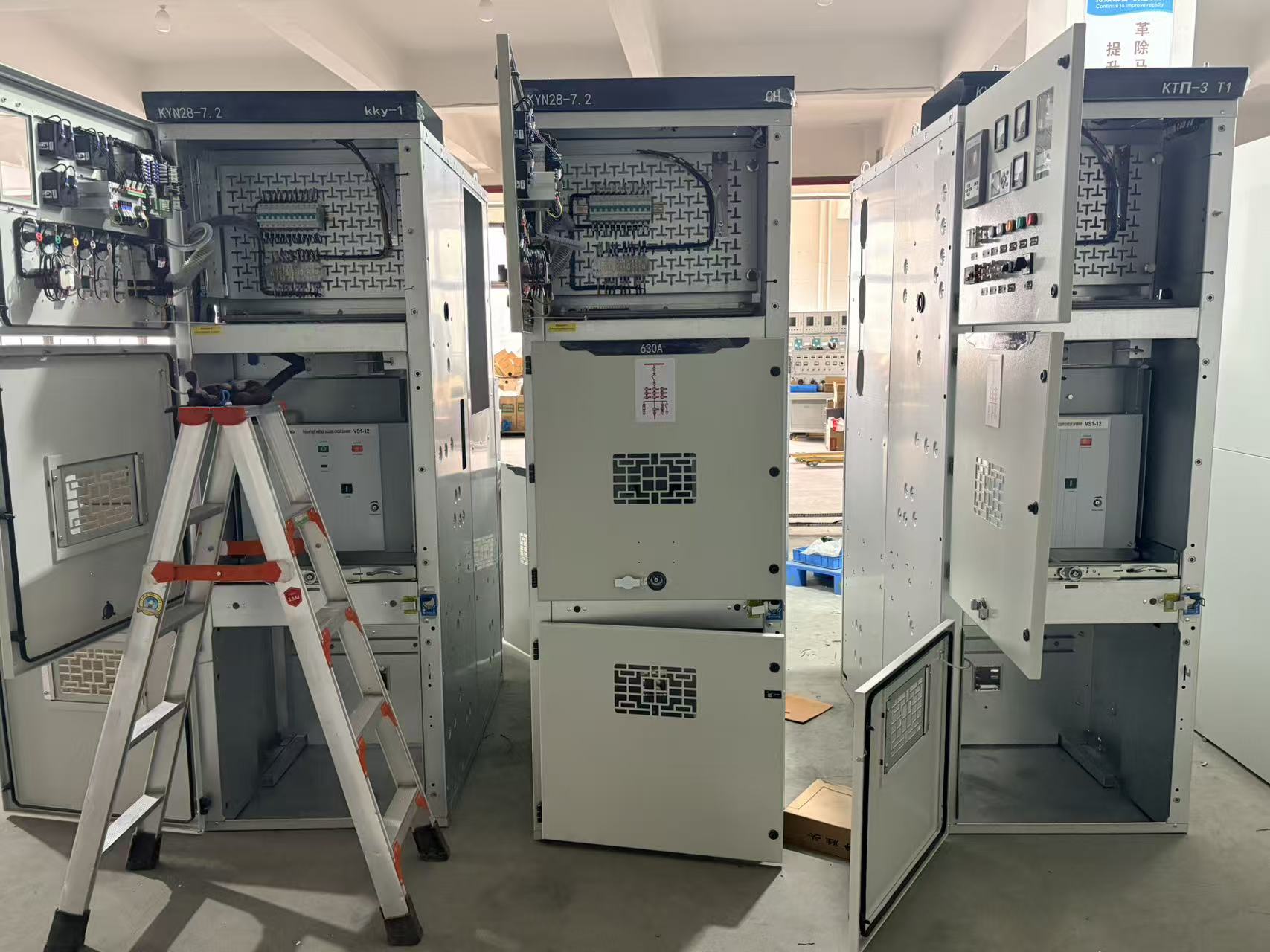
Let's cut straight to the chase: reliable switchgear isn't just about picking top-shelf components; it's about a holistic approach that many overlook. Start with proper installation—yes, it sounds basic, but corners cut here lead to costly failures down the line. Ensure technicians follow torque specs religiously for connections and that busbars are perfectly aligned to avoid stress points. Vibration from nearby machinery? Don't ignore it; add dampening measures or reposition gear to prevent premature wear. Remember, a switchgear that starts its life right stays tough longer, slashing unplanned outages before they even have a chance to brew.
Next up, embrace predictive maintenance like it's your secret weapon. Instead of waiting for alarms to blare, use thermal imaging scans during routine checks to spot hotspots in connections or components before they escalate. Pair this with regular megger testing on insulation—catching degradation early can mean the difference between a simple fix and a catastrophic failure. And don't just rely on automated systems; get boots on the ground periodically to listen for unusual hums or check for corrosion, especially in humid environments. This proactive stance turns potential disasters into manageable tweaks, keeping performance rock-solid without breaking the bank on emergency repairs.
Lastly, tailor your operation to real-world demands, not just specs on paper. If your facility experiences frequent load surges, opt for switchgear with higher interrupting ratings and robust arc-flash protection. Consider environmental factors too—dusty or corrosive settings? Seal enclosures tightly and use coatings that resist degradation. And here's a nugget often missed: train your team to understand the gear's limits; overloading "just this once" can compromise reliability over time. By aligning equipment with actual conditions and empowering staff with knowledge, you build a resilient system that performs consistently, no matter what the day throws at it.
Navigating the Latest Switchgear Tech Innovations
Staying ahead in the switchgear industry means keeping a close eye on emerging technologies that enhance safety, efficiency, and reliability. Recent innovations include smart switchgear with IoT integration, allowing for real-time monitoring and predictive maintenance—key for minimizing downtime in critical applications. These advancements often feature digital sensors and communication modules that provide data on load conditions, insulation health, and operational anomalies, empowering operators to make proactive decisions and optimize performance.
Additionally, there's a growing emphasis on eco-friendly designs, such as SF6-free alternatives like vacuum or gas-insulated technologies. These solutions reduce environmental impact while maintaining high dielectric strength, meeting stricter regulations and sustainability goals. Manufacturers are also adopting modular and compact designs, making switchgear installations more adaptable to space-constrained environments without compromising on power handling capabilities.
To truly differentiate, focus on how these innovations integrate seamlessly into existing infrastructure. For instance, retrofitting older systems with smart components can unlock new efficiencies without full replacement. By leveraging these latest trends, professionals can navigate the evolving landscape, ensuring robust and future-proof electrical protection systems that stand out in the market.
Tailoring Switchgear Solutions for Industrial Needs
Industrial environments demand electrical distribution systems that are not just reliable but also resilient under the most demanding conditions. Tailoring switchgear solutions to these specific needs goes beyond standard specifications; it involves deep collaboration with engineers and facility managers to understand unique operational challenges, such as extreme temperatures, corrosive atmospheres, or high-voltage fluctuations. This custom approach ensures that every component, from circuit breakers to protective relays, is optimized for peak performance, reducing downtime and enhancing safety across manufacturing plants, refineries, and other critical sectors.
Unlike off-the-shelf options, tailored solutions integrate seamlessly with existing infrastructure, offering flexibility for future expansions or upgrades. By leveraging modular designs and advanced technologies like smart monitoring systems, these custom switchgear setups provide real-time insights into power usage and potential faults, enabling proactive maintenance. This adaptability not only boosts efficiency but also aligns with sustainability goals by optimizing energy distribution and minimizing waste, making it a forward-thinking choice for industries aiming to stay competitive in a rapidly evolving landscape.
The process begins with a thorough assessment of the industrial site's layout, load requirements, and regulatory standards, ensuring compliance with international safety codes. Through iterative feedback and testing, solutions are fine-tuned to handle specific challenges, such as mitigating arc flash risks or ensuring uninterrupted power in mission-critical applications. This hands-on, client-centric approach results in a robust system that not only meets but exceeds expectations, delivering long-term value and peace of mind through enhanced reliability and tailored innovation.
Real-World Case Studies on Switchgear Implementations
Take a power plant in the Midwest, for instance, where an aging switchgear system was causing frequent outages and maintenance headaches. The team opted for a retrofit, integrating modern vacuum circuit breakers and digital protective relays. Not only did this slash downtime by 40%, but it also enabled predictive maintenance through real-time data analytics, turning a reactive problem into a proactive asset. Local technicians were trained on the new setup, ensuring smooth operations and boosting reliability for over 50,000 customers.
In a bustling urban hospital in Singapore, switchgear played a critical role during a major grid disturbance. The facility's medium-voltage switchgear, equipped with arc-resistant compartments and automated transfer schemes, seamlessly isolated faults within milliseconds. This prevented cascading failures, keeping life-support systems and surgical units running without interruption. Post-event analysis highlighted how the design's redundancy and rapid response saved lives, underscoring switchgear's value beyond mere electrical distribution.
A renewable energy farm in Texas faced unique challenges with switchgear due to harsh weather and variable power flows from wind turbines. By implementing hybrid switchgear combining SF6-free insulation with IoT sensors, the farm achieved a 25% reduction in energy losses and enhanced grid stability. The system's adaptability to fluctuating loads proved crucial, allowing operators to optimize performance remotely and meet stringent environmental regulations, showcasing innovation in sustainable infrastructure.
Future Trends Shaping Industrial Power Systems
As industries strive for greater efficiency and sustainability, power systems are undergoing a transformative shift. One of the most significant trends is the increasing integration of renewable energy sources, such as solar and wind, directly into industrial grids. This move away from traditional fossil fuels not only reduces carbon footprints but also enhances energy security and cost predictability, though it requires advanced management tools to handle intermittency.
Another key trend is the rise of smart grids and digitalization, which enable real-time monitoring and control of power distribution. By leveraging IoT sensors and AI-driven analytics, factories can optimize energy usage, predict equipment failures, and dynamically adjust loads to minimize waste. This digital layer transforms power systems from static infrastructures into adaptive networks that respond intelligently to operational demands.
Additionally, there's a growing focus on energy storage solutions, like advanced batteries, to complement renewable integration and ensure reliability. These systems allow industries to store excess energy during low-demand periods and deploy it during peaks, smoothing out supply fluctuations and supporting grid stability. Together, these trends are reshaping industrial power into more resilient, efficient, and eco-friendly ecosystems.
FAQ
Selecting high-voltage switchgear requires evaluating factors like voltage and current ratings, short-circuit withstand capacity, insulation levels (e.g., SF6 or vacuum), environmental conditions (corrosive or damp areas), maintenance needs, and compliance with standards like IEC or IEEE. It's also vital to consider scalability for future expansions and integration with smart grid technologies.
Modern switchgear incorporates advanced safety features such as arc-flash mitigation systems, remote monitoring capabilities, and fault detection sensors. These reduce human exposure to hazards, minimize downtime by enabling predictive maintenance, and improve reliability through robust insulation and circuit protection mechanisms.
Air-insulated switchgear (AIS) uses air as the insulating medium, making it more cost-effective and easier to install but bulkier and sensitive to environmental conditions. Gas-insulated switchgear (GIS) employs SF6 or alternative gases for superior insulation, offering a compact design that saves space, reduces maintenance, and performs better in harsh or polluted environments.
Smart technology integrates IoT sensors, data analytics, and communication protocols to enable real-time monitoring of parameters like temperature, load, and fault conditions. This enhances operational efficiency by facilitating condition-based maintenance, optimizing energy distribution, and reducing unplanned outages through early warning systems.
Thermal management is crucial to prevent overheating, which can degrade insulation and cause failures. Designers address this using heat-resistant materials, forced-air or liquid cooling systems, and optimized layouts that promote natural ventilation. Advanced models include thermal sensors for proactive temperature control.
Environmental regulations, such as those targeting SF6 due to its high global warming potential, drive innovation toward eco-friendly alternatives like vacuum or clean-air insulation. Manufacturers are developing low-emission designs and retrofitting options to comply with standards like the EU F-Gas Regulation, balancing performance with sustainability.
Best practices include regular visual inspections for wear or corrosion, periodic electrical testing (e.g., insulation resistance checks), cleaning to prevent contamination, and updating protective relay settings. Implementing a documented maintenance schedule and training personnel on safety protocols, such as lockout/tagout procedures, is also essential.
Conclusion
High-voltage switchgear stands as a cornerstone in industrial power systems, ensuring safety, reliability, and efficiency. This essential guide delves into the fundamentals, breaking down complex components and operations to provide a clear understanding of how these systems manage and protect electrical circuits. Alongside this, insider tips for reliable performance highlight best practices in maintenance, monitoring, and installation, helping operators minimize downtime and enhance longevity. By navigating the latest tech innovations, such as digitalization and smart sensors, industries can stay ahead of emerging trends, integrating cutting-edge solutions to optimize energy flow and safety protocols.
Tailoring switchgear solutions to specific industrial needs is crucial, as one-size-fits-all approaches often fall short in demanding environments. Real-world case studies illustrate successful implementations, offering valuable lessons from diverse sectors like manufacturing and utilities. Looking forward, future trends shaping industrial power systems—from renewable energy integration to IoT advancements—signal a shift toward more adaptive and sustainable infrastructures. This guide culminates in a top-10 framework, distilling key insights into an actionable resource for professionals aiming to balance innovation with tried-and-true methods in high-voltage applications.
Contact Us
Contact Person: Doreen
Email: [email protected]
Tel/WhatsApp: 8618057712366
Website: https://www.liugaopower.com/