

Import Coal-Based Powdered Activated Carbon for Industrial Applications
2026-08-26
Industrial buyers know the frustration of sourcing activated carbon that underperforms or arrives with inconsistent quality. Importing coal-based powdered activated carbon for industrial applications comes with hidden risks—from supply chain delays to purity issues that can cripple your process. That’s where Tundrr steps in. We cut through the complexity, connecting you with reliable, high-performance carbon that meets your exact specs. In this post, we’ll break down what to look for when importing, common pitfalls to avoid, and why partnering with the right supplier changes everything.
Why Coal-Based Powdered Activated Carbon Keeps Gaining Ground in Industrial Processes
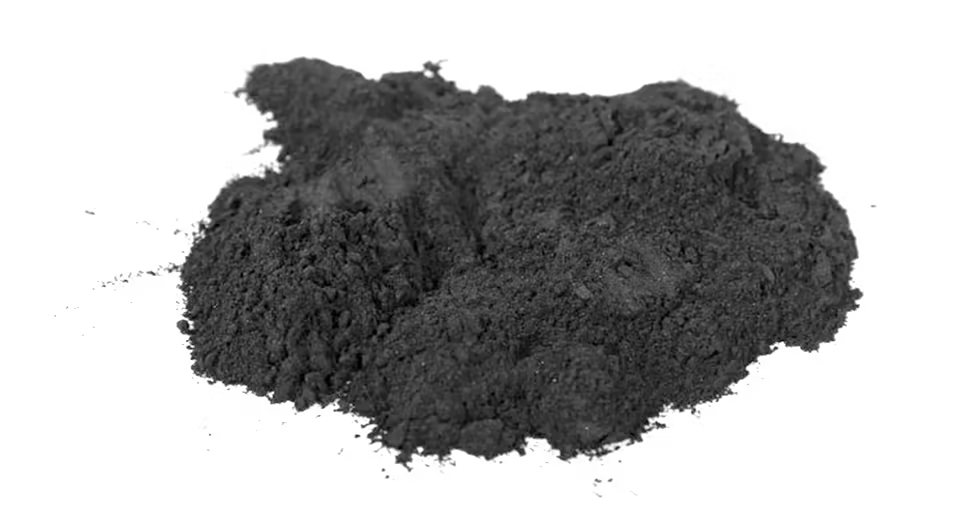
Coal-based powdered activated carbon keeps finding new industrial adopters largely because it delivers a rare combination of high surface area and consistent pore structure at a cost that doesn't derail operating budgets. For plants running continuous purification or decolorization processes, that consistency across batches reduces the need for constant jar testing and dosage recalculations. The feedstock itself, bituminous coal, tends to produce a carbon with strong micropore development, which is exactly what's needed for capturing low-molecular-weight contaminants in aqueous streams.
Another driver is supply stability. Coconut shell and wood-based carbons can fluctuate with climate conditions, harvest cycles, and regional logistics, but coal comes from well-established mining and processing chains. This makes long-term procurement less of a guessing game for procurement teams, and it keeps lead times predictable even when a facility scales up its treatment capacity. In sectors like chemical manufacturing and potable water treatment, that reliability often outweighs the 'green' appeal of plant-based alternatives.
There's also the matter of mechanical handling. Although powdered carbon is typically dosed as a slurry, the base material's hardness still influences how it behaves in milling, conveying, and dust collection systems. Coal-based grades tend to break down into particles that resist excessive fines, which helps maintain consistent contact time in reactors and reduces losses during transfer. When combined with effective reactivation options, the total cost of ownership frequently tips the decision in its favor.
Reading Key Specifications Before You Commit to an Import
Many buyers skim the product title and price, then rush through checkout without realizing that a seemingly minor spec can make an import unusable in their region. I’ve seen perfectly good electronics returned because the voltage range didn’t match local mains, or a set of kitchen tools that looked right in photos but had dimensions that didn’t fit standard cabinetry. Reading the key specifications isn’t about being overly cautious—it’s about avoiding costly surprises that no return policy can fully fix once freight and customs are involved.
Start with the fundamentals: input voltage and frequency for anything that plugs in, plug type and cord length, overall dimensions including mounting hole spacing, weight, and the material grade or finish. For items that must meet safety or environmental rules, look for explicit certification marks—CE, UL, RoHS, FCC—and verify they are current for the target market. Don’t assume a generic “universal” claim covers your country. If the data sheet is vague on operating temperature, humidity tolerance, or duty cycle, ask the supplier for the full engineering document before you commit.
A practical way to avoid mistakes is to print the spec sheet and check each line against your actual use case. Mark the minimum and maximum values you can accept, then have a colleague or local technician review it. Pay special attention to tolerances: a pump rated for 3 bar at 20°C may behave very differently at 35°C. And if a spec looks too good to be true—like a tiny motor claiming high torque with low power draw—dig into independent test reports or buy a sample unit first. The time spent reading key specs is a fraction of what you’ll lose if the shipment arrives and doesn’t fit, doesn’t run, or gets flagged at the border for missing marks.
How Mesh Size and Iodine Number Shape Real-World Performance
Mesh size isn’t just a spec on a datasheet—it dictates how quickly contaminants meet the carbon. Finer particles pack tighter and expose more surface per gram, but if the bed gets too dense, pressure drop climbs and water channels instead of filtering evenly. Iodine number, on the other hand, is the classic proxy for micropore volume: higher values signal more sites for small molecules like volatile organics or chlorine. The two work together: a high iodine carbon ground to the wrong mesh can underperform a lower iodine material sized right for the flow.
In practice, field results often hinge on matching both parameters to the actual contact time and contaminant load. A carbon with an impressive iodine number but coarse particles may leave underutilized pore space because the target compounds never penetrate deep before the water exits. Meanwhile, a finer mesh with moderate iodine can show better removal simply because the adsorbate reaches active surfaces faster. Operators who chase only one number typically end up with shorter run times or premature breakthrough.
The sweet spot depends on the system: point-of-use filters favor smaller mesh for fast kinetics, while large beds need coarser gradations to avoid clogging and backpressure. Understanding that mesh size controls access and iodine number indicates capacity—and that neither metric works alone—is what separates a well-behaved adsorption unit from one that looks good on paper but disappoints in the field.
Moisture Control and Packaging Choices That Protect Powder Quality
Powdered products, whether they're food ingredients, nutritional supplements, or cosmetic bases, share a silent enemy: moisture. Even a small amount of ambient humidity can trigger clumping, caking, or worse, microbial growth that degrades the powder's integrity. The first line of defense isn't just a tight lid—it's understanding how your specific powder interacts with water vapor. Hygroscopic materials like protein powders or certain starches will pull moisture from the air aggressively, while others may be more forgiving. Knowing this behavior dictates everything from the storage environment to the type of barrier you need.
Packaging choices go far beyond aesthetics. A multi-layer film with a foil or metallized layer offers far superior moisture vapor transmission rate (MVTR) resistance compared to a simple polyethylene bag. For products that demand extended shelf life, consider adding desiccant packets or oxygen absorbers inside the package, but be mindful of how those interact with the powder itself—some desiccants can impart off-flavors or alter pH. Resealable closures are often marketed as convenient, yet they only work if the user actually seals them properly each time. In humid climates, even a partially open bag can ruin a batch within days.
Temperature swings are an often-overlooked variable. When a sealed package moves from a cold storage room to a warm loading dock, condensation can form inside, soaking the powder from within. This is why it's critical to let sealed packages acclimate to room temperature before opening. For processors and home users alike, transferring powder into smaller, airtight containers for daily use reduces the repeated exposure of the main supply to fresh air. Ultimately, moisture control is a system—not a single decision—and the right packaging choice is the one that matches your powder's sensitivity, your climate, and the realistic habits of the people handling it day after day.
Customs and Compliance Friction Points Worth Addressing Early
A surprising number of border delays trace back to one avoidable habit—treating tariff classification as a paperwork detail. When the supplier’s HS code doesn’t match the importer’s entry filing, customs flags the shipment, recalculates duty, and holds the cargo while everyone scrambles for answers. Locking down the correct code, along with any additional tariffs or quota rules, before the purchase order is signed costs a fraction of what it takes to unwind the mess at the port.
Customs value and origin are equally unforgiving when left vague. Royalty fees, tooling amortization, or transfer pricing adjustments can all change the declared value, and if the commercial invoice and entry summary don’t line up, the discrepancy invites a formal inquiry. Preferential duty programs fall apart the same way: a supplier’s origin certificate that doesn’t reflect the actual bill of materials, or missing long-term record keeping, kills the claim after the fact.
Then there are the compliance items that simply cannot be rushed. Import permits, product safety certifications, and restricted-party screening need lead time, and a broker cannot manufacture them at the border. Handling these while production is still underway lets the team correct errors without stacking up demurrage, storage, or expedited courier fees.
Testing Supplier Samples Against Your Actual Adsorption Demands
A supplier's data sheet may look impressive on paper, but actual operating conditions rarely mirror idealized lab setups. The contaminants in your stream, their concentration spikes, humidity levels, and even the presence of co-adsorbates can drastically shift performance. Testing a sample against your real adsorption demands means exposing it to the exact mixture and flow rates you deal with daily, not just a generic challenge gas. This step catches mismatches that would otherwise surface only after full-scale installation, saving both downtime and costly rework.
Start by collecting a representative sample of the actual process fluid or gas, not a simplified surrogate. Run breakthrough tests under your specific temperature, pressure, and contact time, and measure when the outlet concentration exceeds your acceptable limit. Keep an eye on pressure drop across the bed as well, since a supplier's sample might have a different particle size distribution that affects flow resistance. Logging the time to breakthrough and the shape of the curve tells you far more than a static capacity number ever could.
Once the data comes in, compare it against the minimum service life or removal efficiency your operation requires. If the sample falls short, don't just accept a larger bed volume—ask the supplier to adjust impregnation, base material, or particle sizing. Sometimes a blend of two adsorbents outperforms a single off-the-shelf option. The goal isn't to find a sample that works in a vacuum, but one that meets your unique adsorption demands without forcing you to redesign the surrounding system.
FAQ
Coal-based powdered activated carbon is made from selected bituminous or anthracite coal through steam activation, yielding a highly porous material with a large internal surface area. Unlike coconut shell or wood-based carbons, it typically offers a broader pore size distribution, which makes it effective for adsorbing a wide range of molecular sizes, from small organic compounds to larger color bodies in industrial streams.
Importing often comes down to specific performance requirements or cost efficiency. Some overseas producers have access to coal seams with unique hardness and purity profiles, resulting in carbons with lower ash content or higher iodine numbers. In certain regions, domestic production capacity may be limited or priced higher due to energy and environmental compliance costs, making imported options more economical for large-volume users.
Typical high-volume uses include municipal and industrial wastewater treatment for removal of organic micropollutants, decolorization of chemicals and food-grade syrups, flue gas mercury capture in coal-fired power plants, and purification of process water in pharmaceutical manufacturing. Its fine particle size allows rapid adsorption kinetics, which is critical in continuous dosing systems.
The most practical parameters are iodine number, molasses number or methylene blue adsorption, ash content, moisture content, particle size distribution, and bulk density. Iodine number indicates micropore volume for small molecule adsorption, while molasses number reflects mesopore capacity for larger colorants. Ash and moisture directly affect net active carbon delivered, so low values are generally preferred unless the application tolerates them.
Powdered activated carbon is hygroscopic and can adsorb moisture and odors from the air, so it must be kept in sealed bags or silos away from volatile chemicals. Storage areas should be dry and cool, with relative humidity below 60% if possible. When handling, dust control is essential because the fine powder can become airborne, so use closed transfer systems or local exhaust ventilation and appropriate respiratory protection.
Common packaging includes 25 kg multi-wall paper bags with a polyethylene liner, 500 kg super sacks, or bulk tanker trucks for very large consumers. For containerized shipments, moisture barrier liners are often used to prevent condensation during ocean transit. Buyers should confirm the supplier's loading capacity per container and whether palletization or slip sheets are included, as these factors affect unloading efficiency and storage footprint.
Yes, classification under the Harmonized System can vary by country, but it generally falls under activated carbon subheadings. Some jurisdictions require additional documentation for materials derived from coal due to environmental regulations on coal products. Importers should verify if the destination country has restrictions on certain feedstocks or requires certification for food-contact or drinking water grades. Working with a supplier that provides full technical data sheets and certificates of analysis simplifies customs clearance.
Beyond requesting a certificate of analysis for every lot, it is wise to develop a clear specification sheet with acceptable tolerance ranges and to periodically send samples to an independent third-party lab for verification. Establishing a long-term contract with a supplier who has ISO 9001 or similar quality management certification, and possibly visiting the production facility, helps reduce variability. Some buyers also request pre-shipment samples from the exact batch before payment release.
Conclusion
Coal-based powdered activated carbon has moved from a niche filtration input to a recurring procurement item across water treatment, air purification, and chemical processing. The reason is fairly straightforward: it offers a high surface area per dollar, consistent hardness, and predictable adsorption across large batches. Import buyers who used to rely on regional suppliers are now looking overseas because the grade range has widened enough to cover both basic color removal and tightly controlled mercury capture. What keeps the switch from becoming a costly mistake is reading the data sheet before the contract, not after. Mesh size and iodine number tend to get the most attention, and rightly so—they dictate how fast the powder disperses and how much contaminant it can pull out before breakthrough. But a great iodine number means little if the material arrives damp, clumped, or packed in bags that split during transit. Moisture levels above the agreed limit can quietly reduce the activated carbon you actually paid for, since you are buying water weight along with pore volume.
Customs friction is another place where imports stall. Tariff codes, safety data sheets, and labeling rules differ enough between countries that a shipment can sit in port while a production line waits. Buyers who compare supplier samples against their own effluent or process stream early avoid the worst delays. Instead of trusting a certificate of analysis, they run a side-by-side jar test with the actual waste stream, at the same contact time and pH they use in production. That step catches cases where a vendor's iodine number looks strong but the pore structure is too tight for the target molecule. Packaging choices also matter more than they seem: multi-wall paper bags with an inner liner hold up better in humid climates, while FIBCs make sense for high-volume buyers with proper unloading equipment. When all these details line up—spec review, sample testing, moisture limits, and customs preparation—the imported carbon becomes a dependable raw material rather than a recurring headache.
Contact Us
Contact Person: Ellen Zhang
Email: [email protected]
Tel/WhatsApp: +86(21) 2287 6756
Website: https://www.tundrr.com/en/