

Liquid Dust Suppressant: The Eco-Friendly Way to Control Dust
2026-07-19
Dust is more than just a nuisance—it’s a health hazard, an environmental threat, and a compliance nightmare. Traditional methods like water spraying offer only temporary relief, wasting resources and failing to tackle the root problem. That’s why MST has pioneered a liquid dust suppressant that works with nature, not against it. Safe, biodegradable, and long-lasting, this solution is rewriting the rules of dust control. Ready to see how a few drops can make a cloud of difference?
Beyond Water: The Rise of Advanced Dust Suppressants
For decades, water has been the default weapon against airborne dust, sprayed liberally across construction sites, unpaved roads, and mining operations. But plain water evaporates quickly, often within hours under sun and wind, leaving surfaces dry and dusty again. It also creates muddy, slippery conditions when overapplied, and frequent reapplication drives up costs and water usage—a critical drawback in arid regions. These limitations have spurred a search for longer-lasting, more efficient alternatives that can tackle dust without the constant need for replenishment.
Enter advanced dust suppressants: a diverse class of chemical and organic formulations designed to bind fine particles or alter surface properties for extended periods. From hygroscopic salts like magnesium chloride that draw moisture from the air, to synthetic polymer emulsions that form a durable crust upon curing, these products can provide days or even weeks of effective control from a single application. Some bio-based suppressants use lignin, plant oils, or enzymatic solutions to agglomerate dust particles, offering a more sustainable path. Unlike water, they work by creating a cohesive film or penetrating the surface to strengthen the underlying matrix, resisting wind erosion and traffic wear long after application.
The shift is not just about performance—it’s also about responsibility. Many next-generation suppressants are engineered to be non-toxic, biodegradable, and free of corrosive chlorides, minimizing harm to surrounding ecosystems and groundwater. In mining, they help operators meet stringent air-quality regulations without excessive water consumption; in urban areas, they reduce the fine particulate matter that plagues construction zones. As industries face mounting pressure to curb water waste and environmental impact, these sophisticated formulations are moving from niche solutions to mainstream essentials, redefining what it means to keep dust under control.
From Plants to Pavement: The Science of Binding Dust
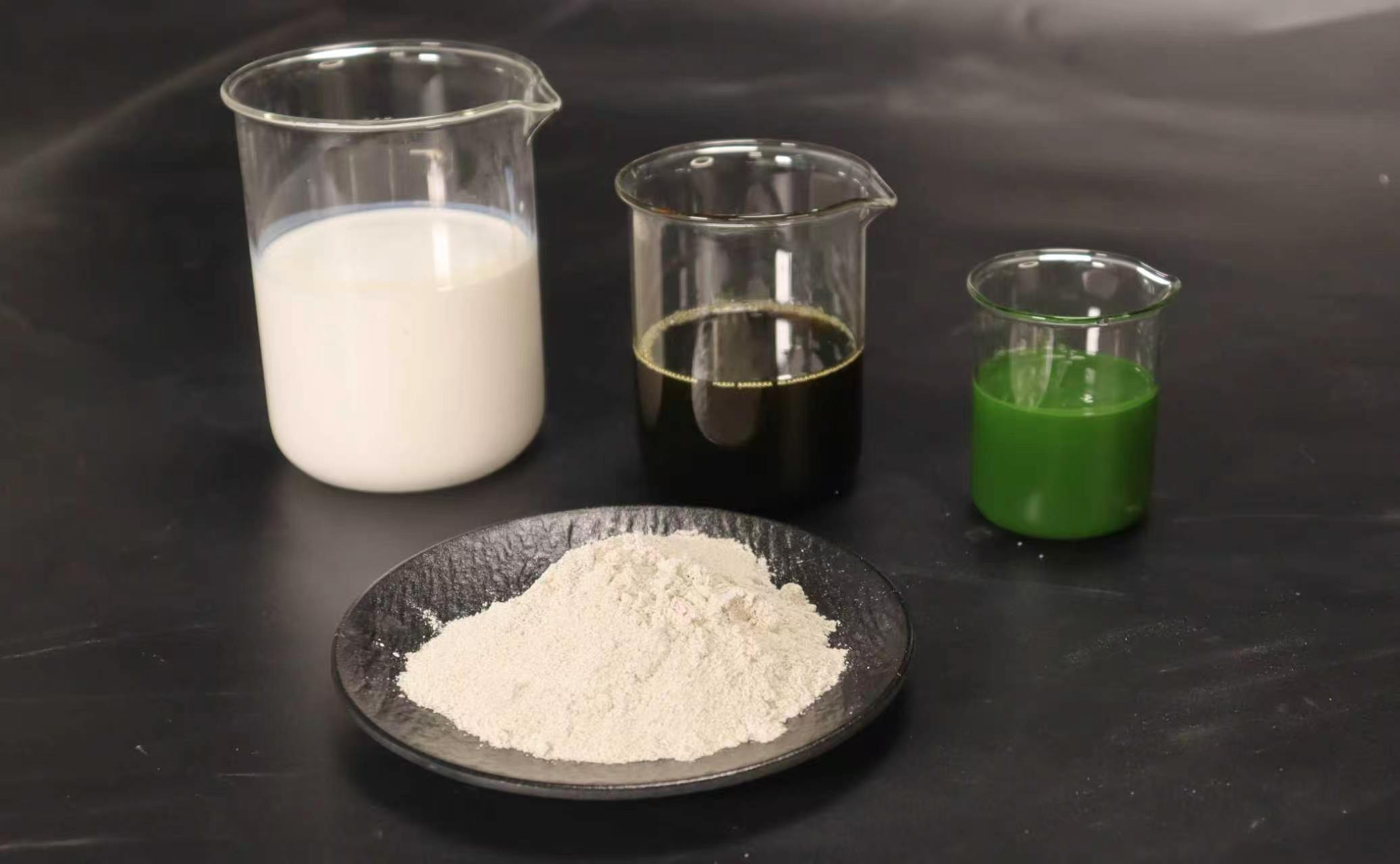
The journey from plant-based solutions to asphalt mixes isn't just a shift in materials—it's a quiet revolution in how we think about dust control. For centuries, vegetation was the go-to stabilizer, with roots holding soil together and leaves slowing wind at ground level. But when hard surfaces became necessary for roads and parking lots, engineers had to find ways to mimic that natural cohesion. The science came down to understanding adhesion at a molecular level, where tiny particles of stone and sand could be locked into place by a binder that would remain flexible yet durable under traffic and weather.
Bitumen and synthetic polymers turned out to be the unlikely heroes. These viscous substances coat each grain, creating a matrix that resists the lift and shear forces that kick up dust. What’s interesting is how temperature and pressure during application affect the final bond. Too cool and the mix won't properly envelope the aggregate; too hot and the binder oxidizes prematurely, weakening its grip over time. Field technicians often talk about the “golden hour” after laying—that narrow window where compaction seals the surface before the binder cools too far. It’s a delicate balance of chemistry and timing, often overlooked but crucial for any long-lasting road.
Recent innovations are borrowing back from nature, with bio-based binders derived from lignin or vegetable oils beginning to replace petroleum products. These not only cut down on fumes during paving but often penetrate soils more deeply, creating longer-lasting stabilization in unpaved scenarios like rural tracks or construction sites. The real trick, though, is achieving the same water resistance and mechanical strength that’s expected from traditional methods. Researchers are tweaking molecular chains to improve adhesion at low temperatures, making dust suppression effective even in arid climates where winds are relentless. In a sense, the science has come full circle—from plants to pavement and back to plants again, but with a precision that early civilizations never imagined.
Construction, Mining, and Beyond: Who’s Using It?
It’s no surprise that construction and mining are the headline industries for heavy machinery, but the real story is how broadly this equipment now reaches. In construction, these machines are the backbone of every project, from compact excavators threading through urban job sites to towering crawler cranes shaping city skylines. Mining operations lean on them for raw extraction—think massive dump trucks hauling ore across vast pits and drills boring deep into the earth. But look closer, and you’ll spot the same rugged gear in unexpected places: demolition crews dismantling outdated factories, landscapers sculpting terrain for new parks, and even disaster response teams clearing debris after a storm. Each sector adapts the tools to its own rhythm, proving that versatility is the real engine behind the hardware.
Beyond the obvious, a web of specialized industries has quietly adopted these machines as their own. Take forestry, where feller bunchers and skidders navigate steep slopes to harvest timber efficiently—machines originally born from excavator platforms. In agriculture, modified loaders handle everything from silage to heavy bales, blurring the line between farm and construction yard. Even the energy sector depends on them: pipeline layers lower miles of steel into trenches, while wind farm installers use custom rigs to hoist turbine components hundreds of feet in the air. Waste management and recycling facilities, too, rely on robust material handlers to sort and move mountains of scrap daily. The common thread? A need for unshakeable reliability in rough conditions, which these industries have learned to count on day after day.
What’s telling isn’t just who’s using the equipment, but how they’re reshaping it to fit niches we rarely consider. Ports hum with container handlers that barely resemble their earthmoving cousins, yet share the same DNA. The military deploys armored engineering vehicles built from commercial designs, proving that ruggedness translates across borders. Even entertainment gets a piece—think of the tracked platforms that carry camera rigs over sand dunes for film shoots, or the hydraulic lifts that raise stadium stages. This quiet spread into daily life goes further: snowplows clearing mountain passes, underground utility contractors tunneling beneath busy streets, and event crews setting up massive tents. The users are as diverse as the tasks, bound by a shared understanding: when the job is tough, the tool better be tougher.
Cleaner Air, Safer Water, Happier Communities
It’s not just about policy—it’s about the daily routines that slowly add up. When families choose to bike instead of drive, or plant native greenery instead of pavement, the air loses a bit of its haze. Over time, those small shifts in habit create neighborhoods where kids can play outside without their parents worrying what’s in every breath. Cleaner air sneaks up on you like that—quiet, unnoticed, until you realize you haven’t coughed on your morning jog in weeks.
Water has a way of tying everyone together, even when we don’t see it. A community that looks after its streams and cuts down on runoff doesn’t just protect the fish; it protects the cup of tea someone’s grandmother brews every afternoon. Testing wells, restoring wetlands, fixing old pipes—these aren’t grand gestures. They’re the kind of unglamorous, steady work that means the difference between a boil-water advisory and a child filling a glass straight from the tap without a second thought.
When the air feels lighter and the water runs clear, something shifts in how neighbors treat each other. People linger on porches a little longer. The weekend farmers’ market gets busier. There’s a shared pride that bubbles up in block parties and litter cleanups, and it’s never really about the environment as an abstract cause. It’s about knowing the park down the street is safe for toddlers to crawl in, or that the local creek won’t make anyone sick. Healthier places simply make for softer, friendlier spaces—and that’s a cycle worth keeping.
Fewer Applications, More Peace of Mind
Imagine opening your phone and seeing only the tools you genuinely need. No endless notifications demanding attention, no constant temptation to scroll through apps that drain your energy. That sense of calm isn't a distant dream—it's what happens when you trim the digital clutter and keep only what truly serves you.
A leaner selection of applications means less mental noise. Each app we keep carries an invisible weight: the urge to check it, the updates to manage, the subtle pressure to stay engaged. By letting go of the non-essential, you reclaim headspace for deeper focus and genuine rest. Your device becomes a supportive ally, not a source of endless distraction.
The practice is simple but powerful. Regularly review what's on your screen. If an app hasn't added real value in weeks, consider removing it. You can always reinstall later, but rarely will you feel the need. This deliberate approach fosters a quieter digital life, where you control your tech rather than the other way around. Fewer apps, fewer interruptions, more peace.
Why Water Alone Isn't Enough Anymore
Plain water quenches thirst, but it doesn’t replenish the minerals your body loses through sweat, stress, or even just daily living. Sodium, potassium, magnesium—these electrolytes are the sparks that keep muscles firing, nerves signaling, and fluids balanced inside your cells. Without them, chugging bottle after bottle can actually dilute what’s left, leaving you feeling sluggish, crampy, and far from hydrated.
Our modern routines only widen the gap. Processed foods spike sodium while skimping on other key minerals, indoor climates dry us out unnoticed, and a tough workout or long day in the heat strips away far more than H2O. Sipping water alone becomes a cycle of running on empty. True hydration means putting back not just the water, but the electrical charge that turns it into something your body can truly use.
FAQ
It's a fluid mixture, often based on plant-derived or natural compounds, that's sprayed onto loose soil or surfaces. The liquid penetrates the material and creates a bond between dust particles, forming a flexible crust that stabilizes the surface and stops wind or vehicle movement from kicking up dust.
The key is using ingredients that are biodegradable and non-toxic. Instead of harsh chemicals, they rely on things like lignin, vegetable oils, or starches, which break down naturally over time without harming local ecosystems, groundwater, or vegetation.
They're versatile enough for unpaved roads, mining operations, construction sites, agricultural fields, and even outdoor stockpiles. Basically, anywhere loose soil, sand, or gravel is exposed to air movement and needs a sustainable dust control solution.
Duration depends on the product, weather, and traffic, but many eco-friendly formulas offer long-lasting suppression—often weeks to months. The crust created gradually wears away, and reapplication is straightforward when needed, without buildup issues.
High-quality eco-friendly types are designed to be inert once applied. They don't leach pollutants, and many actually help retain soil moisture, which benefits plant growth. They're often certified for use near waterways and in sensitive habitats.
Yes, because they lack volatile organic compounds (VOCs) and toxic additives. During and after application, there's no harmful off-gassing or irritation, which makes them a preferred choice in populated areas and for crews handling the material daily.
Although the initial purchase may be higher than water, the total cost can be lower in the long run because you need fewer applications, less water, and less labor. Plus, you avoid potential fines for environmental non-compliance, which isn't always factored into simple price comparisons.
Modern formulations are engineered for durability. They create a hard yet slightly flexible crust that resists rain erosion and vehicle wear. Some products even incorporate binding agents that strengthen with compaction, making them suitable for busy haul roads.
Conclusion
Liquid dust suppressants are rapidly becoming the preferred choice for industries that need effective, eco-friendly dust control. Unlike traditional methods that rely on massive amounts of water, these advanced formulas use plant-based binders, polymers, and other biodegradable agents to trap and hold dust particles on unpaved roads, construction sites, and mining haul routes. The technology works by penetrating the surface and forming a durable crust that withstands wind, vehicle traffic, and even light rain—cutting water usage by up to 90% while eliminating the need for repeated applications. From remote mines to urban construction zones, companies are turning to these solutions not just to meet tightening environmental regulations, but to genuinely improve working conditions and community relations.
What makes liquid suppressants stand out is their holistic impact. They reduce airborne particulate matter that contributes to respiratory problems and brown lung disease, while preventing sediment runoff that can contaminate nearby streams and groundwater. For communities living next to industrial areas, this means clearer skies, safer drinking water, and less noise from constant water trucks. Operators also benefit from lower maintenance costs on machinery and vehicles, as dust-related wear is dramatically minimized. With a single application often lasting weeks or months, the shift away from water-only approaches is not just a matter of efficiency—it's a long-term investment in environmental stewardship and human well-being that simply makes sense in a world where sustainability is no longer optional.
Contact Us
Contact Person: Helen
Email: [email protected]
Tel/WhatsApp: 86 18630661160
Website: https://www.roadmilestone.com/