

New Type Laser Pain Belt Offers Rapid Pain Relief Without Medication
2026-07-29
Imagine easing your pain without reaching for medication. The new laser pain belt from GUANG TAI makes this possible, combining targeted light therapy with everyday comfort. Whether it’s back strain or muscle fatigue, this wearable device delivers rapid relief wherever you are. In this post, we’ll explore how it works and why it’s becoming a go-to alternative for pain management.
How Low-Level Laser Technology Targets Pain at the Source
Low-level laser therapy works by delivering specific wavelengths of light deep into tissues, where cells absorb the energy and convert it into biochemical changes. This process, known as photobiomodulation, kick-starts the body's own repair mechanisms right at the cellular level. Rather than masking pain signals, the light gently nudges damaged cells to reduce inflammation, increase circulation, and accelerate healing, addressing the root cause of discomfort instead of just numbing it.
What makes this approach unique is its ability to hone in on the exact location of pain without affecting surrounding healthy tissue. The laser’s focused beam penetrates skin and muscle, targeting the overactive nerves and inflamed areas that generate pain. By dialing down oxidative stress and boosting ATP production—the energy currency of cells—it helps rebalance cellular function, making the pain fade naturally as the tissue recovers.
Patients often notice a gradual shift from pain relief to lasting improvement, because the therapy doesn’t simply interrupt pain pathways; it fosters an environment where healing can take hold. Over a series of brief, non-invasive sessions, the cumulative effect can reset the pain cycle, offering a sustainable solution for conditions ranging from joint pain to muscle strains.
A Closer Look at the Science Behind Light-Based Healing
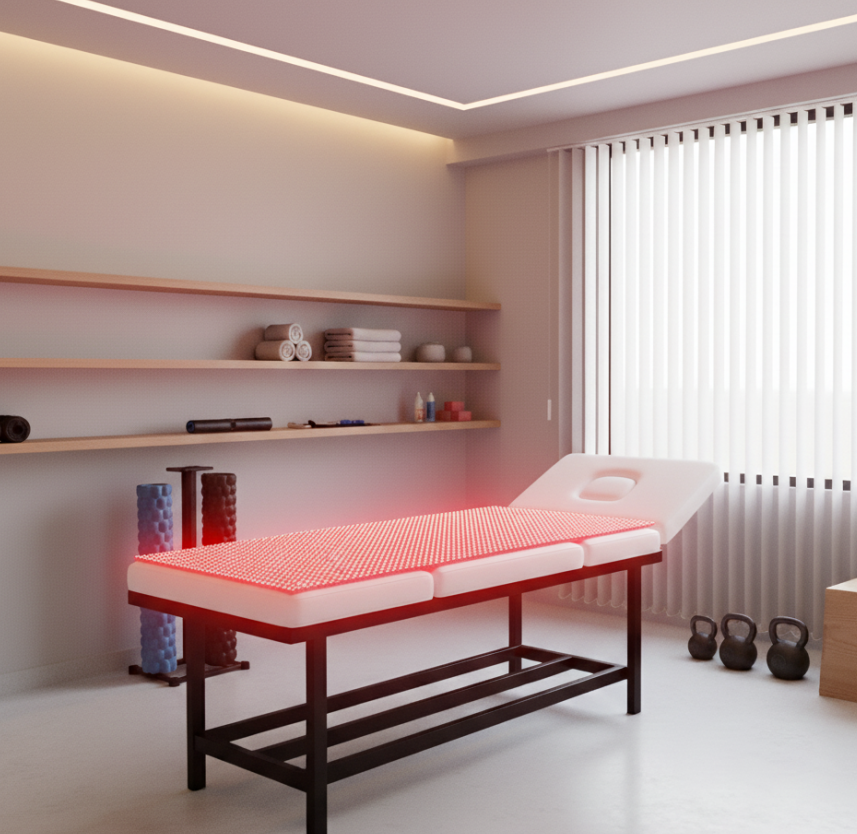
Light-based healing operates at the cellular level, harnessing specific wavelengths to stimulate biological processes. When photons penetrate the skin, they are absorbed by mitochondria, the powerhouses of our cells. This interaction boosts the production of adenosine triphosphate (ATP), the energy currency that fuels repair and regeneration. By accelerating ATP synthesis, light helps tissues recover faster from injury, reduces oxidative stress, and modulates inflammation. It’s not magic—it’s a measurable, biophysical cascade that nudges the body toward homeostasis.
Different wavelengths target different depths and structures, which explains why red and near-infrared light are commonly used. Red light, between 620 and 750 nanometers, works primarily on the skin’s surface, promoting collagen production and wound healing. Near-infrared light, from 750 to 1,200 nanometers, penetrates deeper into muscles, joints, and even bone, aiding in pain relief and tissue repair. Studies have demonstrated that these wavelengths influence gene expression related to cellular protection and survival. The key lies in delivering the right intensity and duration to trigger photobiomodulation without damaging the tissues.
Despite the growing body of evidence, skepticism remains, largely due to historical overpromises and poorly designed devices. Rigorous clinical trials now show that consistent parameters—such as fluence, wavelength, and pulsing—matter more than vague claims of “full-spectrum” benefits. While light therapy isn’t a panacea, its ability to enhance mitochondrial function and modulate signaling pathways places it as a promising adjunct to conventional treatments. The science continues to evolve, refining our understanding of how something as simple as light can catalyze profound healing.
What Sets This Wearable Apart from Traditional Pain Relief Methods
Unlike pills that mask discomfort by chemically dulling nerve signals, this device works in harmony with your body’s natural gate control mechanism. It delivers precisely tuned micro-impulses that flood the neural pathways, effectively closing the gate on pain transmission before it reaches the brain—all without a single swallowed dose or systemic side effect.
Traditional methods often confine you to a schedule or location, whether it’s a heating pad tethered to an outlet or recurring trips to a therapist. This wearable slips seamlessly into your life, offering discreet, on-demand relief that moves with you. From morning jogs to long hours at a desk, it adapts to your rhythm instead of demanding you adapt to it.
What truly separates it is the intelligent sensing technology that reads your body’s subtle cues and adjusts stimulation patterns in real time. Rather than a one-size-fits-all buzz, you experience a personalized therapy that learns and evolves, targeting the exact source of discomfort with uncanny accuracy. It’s not just relief—it’s a smarter way to reclaim your comfort.
Real-Life Experiences: Quick Relief During Daily Activities
A friend of mine stumbled on relief almost by accident. She was stuck in bumper-to-bumper traffic, jaw clenched, when she started tapping the steering wheel to an old song. Within minutes, the knot in her chest loosened and she felt her shoulders drop. Now she deliberately queues up a playlist for every commute, treating the car like a moving sanctuary where no one can reach her.
For my neighbor, the game changer was stepping outside barefoot first thing in the morning. Just standing on the damp grass while the kettle boils, he says, pulls the static out of his head. It’s not about grounding or trends—it’s five minutes of cool earth and birdsong that leave him steadier than any extra sleep ever could.
My cousin works from home and hits a wall most afternoons. Instead of another coffee, she lies on the living room floor with her legs up the wall and watches the ceiling fan spin. Ten minutes of that, and the fogginess lifts. She doesn’t overthink it; it’s just become a habit, like a physical sigh that resets the rest of her day.
Belt Design and Comfort: Built for All-Day Use
The belt's core architecture revolves around a low-profile buckle system that eliminates the bulk typically associated with heavy-duty straps. By shifting to a contoured, aircraft-grade aluminum frame, pressure points are evenly distributed across the waist rather than digging into the hips during prolonged sitting or movement. This thoughtful contouring is paired with a micro-adjustable track, allowing for millimeter-precise tension tweaks without the need to fully undo the strap—a small detail that dramatically improves all-day comfort.
Internally, the belt features a dual-layer construction where a durable outer shell conceals a plush, moisture-wicking memory foam core. The foam adapts to body heat and movement, creating a personalized fit after a short break-in period. Unlike rigid alternatives that can chafe or restrict, this combination flexes naturally with your body, whether you're crouching to pick up a tool or stretching overhead. Breathable perforations along the length further prevent heat buildup, maintaining a soft, dry feel even after hours of wear.
The design extends to the edges, which are rolled and sealed to prevent fraying and skin irritation. A quick-release tab makes one-handed removal effortless, while the reinforced tip ensures smooth feeding through belt loops every time. From the initial snug fit in the morning to the last adjustment of the day, every element is engineered to stay comfortable, focused, and unobtrusive.
Safety and Convenience: Why No Medication Means Fewer Side Effects
Choosing a path without medication often means sidestepping the common, and sometimes unexpected, side effects that accompany many treatments. From mild discomforts like drowsiness or nausea to more serious risks involving organ strain or dependency, the absence of pharmaceuticals can simply feel like a breath of fresh air for your body. It's not just about avoiding a list of potential reactions—it's about letting your system find its own rhythm again, free from the cascade of adjustments that synthetic compounds often demand.
There's also a quiet convenience in not managing prescriptions, refills, and strict dosing schedules. Life without daily pills or injections strips away a layer of logistical hassle, making room for a more intuitive, self-led approach to well-being. You're not tethered to a medicine cabinet or a reminder alarm, and that mental freedom is its own kind of relief. Many find that this simplicity reduces the subtle anxiety of always tracking what to take and when, allowing health to feel more natural and less like a medical project.
Beyond the physical and practical perks, avoiding medication often encourages a deeper investigation into root causes. Instead of turning to a pill for quick symptom suppression, you're invited to explore diet, movement, stress management, and other foundational habits. That shift can lead to lasting improvements that don't just mask problems but actually resolve them. Over time, the body's own resilience often shines through, revealing that in many cases, the safest and most convenient option was simply to trust in its ability to heal with the right support rather than chemical intervention.
FAQ
It's a wearable device lined with low-level laser diodes that emit specific wavelengths of light. When you wrap it around the aching area, the light energy penetrates the skin and stimulates cellular activity, boosting circulation and reducing inflammation at the source of the pain.
Many people notice a soothing warmth and gradual easing of discomfort within the first 15 to 20 minutes. For some, a single session brings immediate relief, while others may need a few consistent uses to feel significant improvement.
Yes, the low-level laser technology is non-invasive and doesn't produce harmful heat or radiation. Most users report only a gentle warming sensation. It's been cleared for home use and has a strong safety profile when used as directed.
It can reduce your reliance on them for many types of chronic or acute pain, but you should always consult your doctor before making changes to your medication routine. The belt is best seen as a complementary tool that can lower the amount of pills you need over time.
It's great for anyone with muscle stiffness, joint discomfort, back pain, or sports injuries who wants a drug-free option. It's especially useful for older adults dealing with arthritis, office workers with neck and shoulder tension, or athletes needing quick recovery.
Most sessions are around 20 to 30 minutes, and the belt often has an automatic timer so you don't have to keep track. You can use it once or twice a day depending on the severity of your pain and the manufacturer's guidelines.
Absolutely. It's lightweight, runs on a rechargeable battery, and you can fold it into a bag. Just wrap it around the painful area, press a button, and go about your day—sitting at a desk, driving, or relaxing at home.
It's designed to target a wide range, including lower back pain, sciatica, neck and shoulder tightness, knee stiffness, muscle spasms, and even menstrual cramps. The gentle light therapy works on both superficial and deeper tissues to ease discomfort.
Conclusion
Imagine slipping on a lightweight belt that dulls your back pain within minutes—no pills, no sticky patches, just a gentle beam of light working beneath the skin. This new wearable uses low-level laser therapy to reach deep into tissues, where it kickstarts cellular repair and calms inflamed nerves. Unlike heating pads that merely mask discomfort or oral meds that circulate through your whole body, the laser targets the exact source of pain, dialing down stress signals right at the problem area. It’s a subtle sensation—some users say they feel a mild warmth, others nothing at all—but the relief can be surprisingly swift, often kicking in during a short session while you go about your daily routine.
What makes this belt different is how seamlessly it fits into real life. The design hugs your waist without bulky straps or wires, so you can wear it under a shirt while working at a desk, cooking dinner, or even taking a walk. And because it sidesteps medication entirely, you avoid the drowsiness, stomach issues, or dependency risks that come with standard painkillers. Early adopters talk about reclaiming small moments—playing with kids, gardening, sitting through a long movie—without that nagging ache. With no known side effects and no need to remember a dosage schedule, it’s simply a press-and-wear solution that gives people back a sense of control over their own comfort.
Contact Us
Contact Person: Leon Yi
Email: [email protected]
Tel/WhatsApp: +86 17363316873
Website: https://zzgt.en.alibaba.com/