
OEM LED Grille Light Bulb: A Complete Buyer's Guide
2026-08-28
Let’s be honest: the stock grille bulb your truck came with is fine—until you see what a proper OEM LED upgrade can do. The difference isn’t subtle. But between lumen counts, beam patterns, and endless supplier claims, shopping for the right bulb quickly turns into a headache. LUXFIGHTER built its reputation on cutting through that confusion. This guide is your no-BS roadmap to picking an OEM LED grille light bulb that actually fits, lasts, and performs.
What OEM Really Means for LED Grille Bulbs
The term OEM gets attached to LED grille bulbs far more often than it deserves. In strict automotive language, OEM means the part was supplied to the vehicle manufacturer for original production or as an official service replacement. For grille bulbs, that implies the exact housing fit, connector type, current draw, and beam angle were all validated for a specific truck or SUV platform. It does not automatically mean the bulb was made by the automaker itself; it was more likely produced by a tier-one lighting supplier under contract.
In the aftermarket, though, OEM has turned into shorthand for “looks and works like factory.” That usually means a color temperature around 6000K, a beam pattern that lines up with the reflector without scattering light, and a driver small enough to tuck behind the dust cover. Most LED bulbs marketed this way are not actual OEM components. They are OEM-style or OEM-grade, built to mimic the original halogen’s filament position but rarely tested on the same assembly line.
If a grille bulb is genuinely OEM, it will carry a vehicle manufacturer part number or a supplier engineering code from names like Osram, Philips, or Stanley. That matters because LED chips and halogen filaments emit light differently. A few millimeters of offset can create dark spots or a harsh cutoff, especially in grille-mounted housings that sit higher than headlights. So before trusting the OEM label, check whether the listing references an automaker spec or just uses the word as a marketing shortcut.
Matching the Bulb to Your Grille Without Guesswork
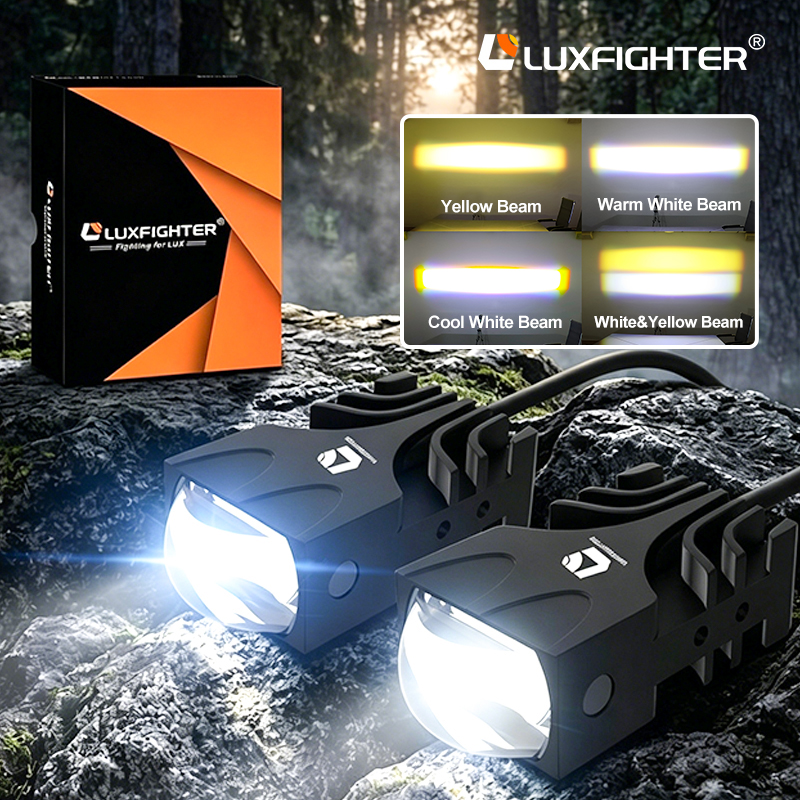
Start by pulling the old bulb and reading the fine print on its base. The code stamped there tells you more than wattage; it locks in the physical fit and electrical needs. If the bulb sits behind a tight grille, measure the opening rather than eyeballing it. A few millimeters of extra glass can keep the grille from seating properly, and no amount of force is worth a cracked housing.
Pay attention to the connector style and beam angle before ordering a replacement. Two bulbs can share a base yet throw light completely differently, which matters when the grille directs or blocks part of the beam. Cross-check the vehicle or fixture manual, but don't treat it as gospel—manufacturers occasionally update part numbers mid-run. A quick photo of the socket and grille clearance will save you from returns that eat an afternoon.
Brightness, Beam Pattern, and Color Temperature Simplified
Many people only look at lumen numbers when buying a flashlight, but the actual brightness experience is far more than that. With the same lumens, a focused beam reaches far but covers a tiny spot, while a flood beam lights up a wide area but not very far. Practical brightness should be judged by combining throw distance and beam width, not just comparing raw numbers.
Beam patterns roughly come in three types: spot for long-distance searching, flood for campsite lighting or close-up work, and a mixed type that balances both. If you often walk at night, a mixed beam is probably the most hassle-free; if you only need to find things in a tent, flood is enough. Don't get tangled in complicated terms—just think about your real usage scenario.
Color temperature is another easily overlooked factor. Warmer light (below 4000K, for example) looks softer and is easier on the eyes for long periods, especially for reading or close-up tasks; cooler light (above 6000K) appears brighter and whiter but can feel a bit harsh. Many outdoor enthusiasts prefer neutral white, believing it strikes the best balance between accurate color rendering and visual comfort.
Installation Mistakes That Shorten Bulb Life
If a new bulb burns out long before its rated hours, the first place to look is usually the socket, not the bulb. Screwing a bulb in too tightly can bend the brass contact tab at the base, creating a weak connection that overheats and shortens filament or driver life. The same happens in reverse with bulbs left slightly loose, which can cause arcing. When you install a bulb, turn it just until it seats firmly, then give it no more than a small extra nudge.
Handling also matters more than most people expect. Halogen and some incandescent capsules should never be touched with bare fingers; skin oils create hot spots on the quartz glass and can lead to early failure or even shattering. For LED and CFL bulbs, the bigger risks are heat and dimmer mismatch. Putting an LED inside a fully enclosed fixture it is not rated for traps heat around the base and power supply, while using a non-dimmable bulb on a dimmer switch can cause flicker, buzzing, and rapid wear. Check the fine print on the package before the bulb goes in.
Finally, pay attention to the environment. Bulbs installed in high-vibration areas such as ceiling fans or garage door openers need to be rated for that use; a standard filament bulb will shake apart quickly. Letting a hot bulb cool before removing it also prevents damage to both the glass and the socket. These small changes during installation are often enough to double or triple the life of a bulb.
Durability Features Worth Checking Before Purchase
Most shoppers glance at the fabric weight or the sole thickness and call it a day, but durability hides in the less obvious places. Turn the item over and check how the seams are finished—double stitching along stress points like shoulder straps or pocket corners often separates a piece that lasts three years from one that gives out in six months. Look for reinforced rivets or bartacks rather than simple straight stitches, and if the product has zippers, give them a few firm tugs to see if the teeth stay aligned when the pull is at an awkward angle.
Hardware tells you more than the brand name ever will. Cheap buckles and D-rings feel hollow, wiggle side to side, and show paint that flakes off with a fingernail scratch. Solid metal or high-density acetal parts have a weight to them and rarely rattle when you shake the bag or jacket. Coatings matter too—water-resistant treatments that rub off after a few weeks aren't doing you any favors, so check whether the finish is baked into the fibers or simply sprayed on top. A quick sniff can reveal solvent-heavy shortcuts.
Warranty language is the quiet confession of every manufacturer. If a company promises a lifetime guarantee but then buries exclusions for "normal wear and tear," that's a red flag. Better signs include specific coverage for seam failure, zipper breakage, or delamination, along with a repair program that actually accepts items after years of use. And don't ignore the small stuff: thread ends trimmed flush, edge paint that doesn't crack when bent, and interior linings that aren't tissue-thin. These are the tells of a product built to be used, not just sold.
Where to Find Trustworthy OEM LED Grille Bulbs
Many drivers assume that any aftermarket bulb will fit their grille, but OEM specifications matter. The most reliable route is to contact the vehicle manufacturer's parts department directly. They can verify the exact part number and often sell the bulbs through their official distribution network. This avoids counterfeit products that plague third-party marketplaces.
Another solid option is visiting a certified automotive lighting specialist. These shops carry genuine OEM bulbs and have the tools to cross-reference your vehicle's VIN. They also tend to stock bulbs from brands that supply original equipment to automakers, which means you get the same quality without guessing.
If you prefer online shopping, stick to well-known retailers that have partnerships with vehicle brands. Look for listings that include the OEM part number and photographs of the bulb's markings. Avoid sellers who use blurry stock images or offer prices far below the manufacturer's suggested retail. Authentic OEM grille bulbs rarely go on deep discount.
FAQ
OEM refers to the original equipment maker's part number or specification, but with grille bulbs the term gets stretched. A true OEM replacement will match your housing's focal point and connector exactly, which prevents hot spots and error codes. Paying extra only makes sense if your vehicle has canbus monitoring or a tight housing where beam precision matters. Otherwise, a well-reviewed aftermarket bulb with the same base and voltage will often perform just as well.
Check the owner's manual or the existing bulb's base markings—most grille lights use common sizes like 9005, H11, or 1156. If the manual isn't handy, use a flashlight to peer through the lens; the bulb base is usually visible. You can also search online forums specific to your vehicle model, but avoid generic fitment guides because grille light housings vary by trim level and aftermarket kits.
Brightness is about useful lumens, not the inflated numbers on the box. Look for 3,000 to 6,000 lumens per bulb for a visible but not blinding output. Color temperature between 5000K and 6000K gives a crisp white that matches factory LED daytime running lights, while 3000K yellow is better for fog or dusty conditions. Skip anything above 6500K; it looks blue and reduces actual visibility.
Most grille light bulbs are accessible with basic hand tools and a bit of patience—often just a screwdriver and a panel clip tool. If your vehicle has a tight engine bay or the grille requires bumper removal, a shop may save you an hour of frustration. Just disconnect the battery first, wear gloves to avoid touching the glass, and test the lights before reinstalling all the trim.
Flicker usually comes from a mismatch with the vehicle's pulse-width modulation or canbus system, not a bad bulb. Cheap drivers inside the bulb also overheat because grille housings don't have much airflow. To avoid premature failure, pick bulbs with an external driver or a well-heatsinked aluminum body, and confirm the operating voltage range covers your vehicle's actual system voltage—many run at 14.4V, not 12V.
It depends on your vehicle. If your grille lights are monitored for burnt-out bulbs, you'll get a dash error without a resistor or canbus-ready bulb. On older vehicles with simple wiring, plug-and-play works fine. Resistors get very hot, so mount them on metal away from plastic. A better route is to buy bulbs with built-in decoders, but those cost a bit more and still may need coding on some European models.
Grille lights face direct rain, splashing, and constant vibration from the road. Look for bulbs with an IP67 or higher rating and a sealed connector, not just a rubber O-ring. The housing should feel solid, with no exposed solder joints. Vibration kills filaments, but LEDs are more resilient—the weak point is the connector. A snug, locking connector with a secondary latch will survive washboard roads better than a simple friction fit.
Conclusion
Calling a bulb OEM doesn't automatically mean it rolled off the assembly line for your exact grille—it often signals the supplier built it to the same specs as original equipment, which is why matching the base, wattage, and physical depth to your housing matters more than any box label. Start by pulling the old bulb and checking its markings, not just the vehicle's make and model. Brightness isn't only about lumens; the beam pattern has to work with your grille's reflector or lens, otherwise you'll blind oncoming traffic or leave dark spots. Color temperature follows the same logic: a 6000K white looks modern but can fight with older housings, while 4300K to 5000K usually keeps things natural. If you live where fog or dust is common, a slightly warmer beam often cuts through better than the bluest option on the shelf.
Plenty of bulbs die early because people handle the glass with bare fingers, force connectors that don't quite seat, or skip the dielectric grease in damp climates—small mistakes that cook the LED chip or corrode contacts within months. Before buying, look for aluminum or copper-core heat sinks, rubber o-ring seals, and a driver that can handle voltage swings from stop-start systems. Trustworthy sources are rarely the cheapest listings on random marketplaces; they tend to be established automotive lighting suppliers who list exact compatibility, offer a warranty longer than a year, and show real beam photos instead of generic stock images. If a seller won't tell you the LED brand, the lumen test method, or the return policy, treat that silence as a warning. A good OEM-style grille bulb should bolt in like it belongs there, not require zip ties and prayers.
Contact Us
Contact Person: Gavin Chen
Email: [email protected]
Tel/WhatsApp: (+86)756-6831079
Website: https://www.luxfighter.com/