
OEM LED Light Therapy A Practical Guide for Skincare Professionals
2026-08-28
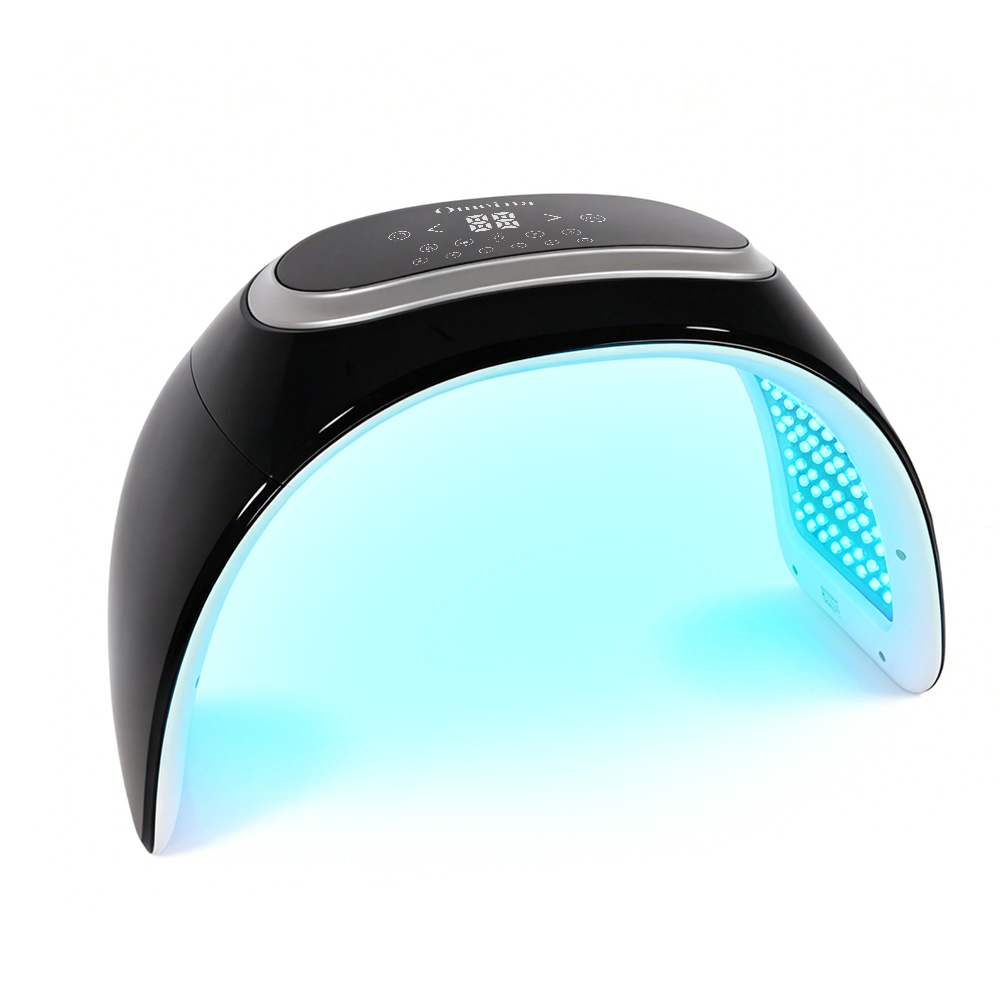
LED light therapy has moved from niche spa add-on to a clinical staple, but the real decision for skincare professionals isn't whether to offer it—it's whose device you trust behind your brand. With a flood of OEM options promising similar wavelengths and irradiance, separating meaningful engineering from marketing noise takes more than a spec sheet. That's exactly why this practical guide exists. Walk through the key variables—chip quality, treatment protocols, safety margins, and customization support—so you can evaluate manufacturers with confidence. Along the way, see how Omeina approaches OEM partnerships, turning hardware into a treatment system your clients will actually ask for by name.
How to Vet OEM Manufacturers for LED Therapy Devices That Actually Last
Start by digging into the manufacturer’s engineering track record, not just their sales pitch. Ask for detailed teardown reports or failure analysis from devices that have been in the field for at least two years. A factory that hesitates to share real-world durability data — like LED lumen depreciation curves under continuous use or thermal cycling test results — is often hiding weak thermal management or cheap driver components. Look for specific evidence of how they handle heat dissipation, because that’s the number one killer of LED therapy devices, far more than the LEDs themselves failing.
Next, examine their component sourcing and quality control on the assembly line. Request a bill of materials with exact LED bin codes, driver IC part numbers, and capacitor brands. A manufacturer willing to use off-brand electrolytic capacitors or unbinned LEDs to cut costs will produce devices that flicker, dim unevenly, or die within months. Ask about their incoming inspection process: do they test every batch of LEDs for wavelength accuracy and radiant flux, or do they rely on supplier certificates? The best partners run in-house spectroradiometer checks and maintain a reject log you can review.
Finally, validate their claims through independent channels. Talk to two or three of their existing clients who have ordered a similar volume, and ask about after-sales failure rates, not just initial quality. If possible, request a pilot run of 20–50 units and put them through accelerated stress testing yourself — run them 12 hours a day for a month, then measure output power and wavelength shift. A manufacturer confident in their longevity will welcome this kind of scrutiny and even help design the test protocol. Those who push back or only offer a standard one-year warranty with no extension option are signaling that longevity isn’t their priority.
Beyond Red and Blue: Lesser-Known Wavelengths That Solve Specific Skin Issues
Most people know red light for collagen and blue light for acne, but the skin responds to a wider slice of the spectrum. Amber and yellow wavelengths, roughly 570 to 590 nanometers, don't get much attention outside dermatology circles, yet they can be surprisingly useful for reactive or flushed skin. These mid-range frequencies penetrate just deep enough to reach superficial blood vessels and have a calming effect that makes them a practical option for rosacea-prone complexions.
Green light, around 520 to 540 nanometers, works on a different layer of the problem. Instead of chasing bacteria or stimulating fibroblasts, it targets excess melanin activity. Some clinical protocols use low-level green LEDs to soften the look of sun spots and post-inflammatory marks, especially when combined with topical brighteners. It's a slower, gentler route than laser or chemical peels, but for people who want daily maintenance without downtime, it fills a niche that red and blue simply can't.
Then there's near-infrared, which is technically beyond visible red and often gets lumped in with red therapy. Frequencies between 810 and 830 nanometers reach deeper into the dermis and underlying tissue, supporting repair after procedures or helping stubborn wounds close. It won't replace a prescription, but it has become a quiet workhorse in clinics that treat slow-healing skin.
Building Treatment Protocols That Balance Efficacy and Client Safety
Crafting a treatment protocol is not about stacking the most potent interventions; it is about sequencing them in a way that respects the client's nervous system while still moving toward meaningful change. A protocol that leans too heavily on efficacy can overwhelm a person's capacity to integrate new experiences, leading to regression or dropout. On the other hand, excessive caution leaves clients stuck in cycles they came to break. The key lies in mapping each session's intensity to the client's current window of tolerance, then widening that window incrementally rather than leaping past it.
In practice, this means building in regular checkpoints where both the clinician and client can renegotiate the pace. For example, exposure-based work might begin with imaginal rehearsal before any in vivo practice, and the client's subjective distress scale is used not as a rigid gatekeeper but as a compass for adjusting the next step. Safety is not the absence of discomfort; it is the presence of a contained, predictable structure that allows discomfort to be productive. Protocols that embed this balance often include a 'rescue plan' for moments of flooding, so that neither party feels forced to choose between protecting the client and pursuing the goal.
Ultimately, the strongest protocols are living documents, shaped by ongoing feedback loops rather than a fixed template. They account for sleep, medication changes, and life stressors as variables that shift a client's baseline capacity from week to week. By treating safety as a dynamic calibration rather than a one-time prerequisite, practitioners can hold both imperatives at once: pushing toward efficacy without losing the relational ground that makes progress sustainable.
The Hidden Flaws in Cheap LED Panels and How to Spot Them Before Buying
When a deal seems too good to be true on an LED panel, the corners are usually where the truth hides. Cheap panels often skimp on thermal management, so the heatsink is either a thin aluminum sheet or missing entirely. This leads to heat buildup that causes noticeable color drift within the first few months—skin tones turn slightly green, and the panel's original brightness fades unevenly across the surface. Before you hand over your card, run your hand along the back of the unit. If it feels warm even when idle or you can spot plastic where metal should be, walk away.
Another flaw that rarely shows up in product photos is poor diffuser and light guide quality. Budget manufacturers use low-grade acrylic or thin diffusers, which create visible hotspots and uneven lighting. You'll notice brighter blobs or dim zones, especially when the panel is dimmed below 60%. A quick test: ask the seller to dim the panel to 20% and shine it at a plain white wall. If you see bright dots or a mottled pattern, the panel will be a nightmare for video work or even casual room lighting.
Finally, check the power supply and flicker performance. Cheap panels often pair decent LEDs with inferior constant-current drivers, leading to high-frequency flicker that you can't see with the naked eye but will trigger headaches and make your footage unusable. Use your phone camera in slow motion mode and point it at the lit panel—if you see rolling dark bands, the driver is likely running at a low PWM frequency. Reputable panels will be virtually flicker-free even at the lowest brightness setting.
Turning LED Therapy into a Retention Tool for Your Aesthetic Practice
Most practices treat LED therapy as a one-off add-on, but the real opportunity lies in turning it into a reason for clients to keep coming back. Instead of selling a single session, structure your LED offerings around cumulative benefits—think skin barrier repair, post-procedure recovery, or seasonal glow programs. When clients see that the second and third sessions build on the first, they start viewing your practice as a partner in their skin health, not just a place for a quick fix.
A simple way to build retention is to pair LED with a series-based membership or package that aligns with your clients' routines. For example, offer a "monthly reset" that includes a 20-minute LED session plus a brief skin assessment. This keeps the treatment short enough to fit into a lunch break but valuable enough that clients book ahead. The key is to make the next session feel like a natural next step—not an upsell—by tying it to visible progress or a specific skin concern they've already discussed with you.
Don't underestimate the power of small, consistent touchpoints. After each visit, send a personalized note about what the LED session did for their skin and what to expect in the coming days. Then, when the time is right, remind them that their next session is already reserved or that their package has one slot left. This shifts the conversation from "should I book again?" to "when do I come back?"—and that's where lasting retention starts.
Client Communication Scripts for Setting Realistic LED Therapy Expectations
LED therapy rarely delivers a single-session wow factor, and clients need to hear that early. A reset line like, 'Most people start noticing changes after four to six sessions, but the deeper repair continues over several weeks,' keeps enthusiasm without promising a quick fix.
Scripts should also prepare clients for maintenance and individual variation. Try saying, 'Your skin's response will depend on how regularly we treat it and how it heals between visits. I'd rather under-promise and let you be pleasantly surprised than set a deadline your skin may not meet.'
When a client compares their progress to someone else's before-and-after, acknowledge the gap gently: 'That's a great outcome for them, and I'm glad they shared it. Your starting point is different, so we'll track your own progress photos instead of comparing to someone else's journey.'
FAQ
Focus on the actual emitters, not just the housing. Check the wavelength tolerance (±5 nm is decent, ±2 nm is excellent), whether the panel delivers a true irradiance at the treatment distance you actually use, and whether the manufacturer can supply independent photobiological safety testing. Ask for a sample and measure it yourself with a spectrometer if possible.
Both work, but they penetrate slightly differently. 633 nm tends to stay more superficial and is great for fine lines and post-procedure redness. 660 nm reaches a bit deeper and can be more useful for collagen stimulation around the dermis. Many experienced clinicians prefer panels that combine both, or they switch based on the client's skin thickness and concern.
Immediately after microneedling, keep the fluence low—around 2-4 J/cm² is often enough. Use a red or near-infrared setting for 5-10 minutes. The goal is to calm the skin and support repair, not to push a high dose that could add heat or oxidative stress. Space sessions 3-7 days apart while the skin is still in the healing window.
Yes. Active photosensitizing medications like certain antibiotics, isotretinoin, or topical retinoids that are causing irritation should make you cautious. Avoid treating areas with active infections, uncontrolled autoimmune flares, or a history of photosensitive epilepsy. Pregnancy is not an absolute contraindication, but many clinics choose to avoid unnecessary light exposure during the first trimester.
Often, yes. You can specify the exact wavelength mix, the ratio of red to near-infrared, the beam angle, the panel shape, and even the control software. Some manufacturers let you choose the driver type to reduce flicker, which matters for clients with light sensitivity. The trade-off is that you may need to order a minimum quantity and handle your own quality checks.
LED output degrades slowly over time, so check the irradiance with a calibrated meter every 6-12 months, depending on usage. Clean the panel face after every client with a non-alcohol wipe to prevent product buildup. If your sessions start taking longer to achieve the same visible result, that's a practical sign the diodes are losing power and may need replacement.
Continuous wave delivers a steady stream of photons, which is straightforward and well studied. Pulsed mode turns the diodes on and off rapidly, usually at 10-100 Hz. Some research suggests pulsing can reduce tissue heating and may alter cellular signaling, but clinical evidence is still thin. For most skincare goals, continuous wave at the right dose remains the reliable choice.
It depends on the peel depth. For a superficial enzyme or low-strength acid peel, a short red LED session right after can soothe the skin and support recovery. For a medium-depth TCA or higher-strength peel, wait until the skin has re-epithelialized—usually 3-7 days—before using LED, especially near-infrared, to avoid adding heat to already sensitized tissue.
Conclusion
Sourcing reliable LED therapy devices from OEM manufacturers demands more than a quick spec check. Vet potential partners by requesting teardown samples, reviewing warranty terms in plain language, and asking how they handle thermal management and diode binning—flaws in cheap panels often hide in uneven irradiance, flimsy housings, or drivers that burn out within months. Once you've secured hardware that lasts, move beyond the standard red and blue comfort zone. Amber, green, and near-infrared wavelengths target specific concerns like post-inflammatory hyperpigmentation, rosacea-related redness, or sluggish wound healing, giving your practice a clinical edge without adding bulk.
Building treatment protocols means balancing fluence, session frequency, and skin type—not just cranking up the timer. Pair every protocol with honest client communication: explain that LED therapy is cumulative, not a one-session fix, and use simple scripts to reset expectations when patients ask for overnight results. Smart practices turn LED into a retention tool by bundling short maintenance sessions into membership plans or post-procedure recovery packages. The goal isn't to sell a light box—it's to build trust through visible, documented progress and a device that still performs predictably after hundreds of hours of use.
Contact Us
Contact Person: Tina Liu
Email: [email protected]
Tel/WhatsApp: 8618681405932
Website: https://www.omeinabeauty.com/