

Original Manufacturer Drone Simulator: The Ultimate Flight Training Experience
2026-08-03
Imagine stepping into the pilot’s seat without ever leaving the ground. That’s the promise of an original manufacturer drone simulator—a tool built by the creators of the aircraft themselves, ensuring unmatched realism and precision. Whether you’re a seasoned operator or just starting out, this isn’t just another training gadget. It’s the ultimate flight training experience, designed to mirror real-world dynamics down to the smallest detail. At the heart of this revolution is SRIZFLY, a name synonymous with innovation in drone simulation. Stick around as we unpack why original manufacturer simulators are changing the game, and how SRIZFLY leads the charge.
Realistic flight physics with zero crash consequences
Every control surface reacts just as it would in real life—ailerons, rudders, elevators, flaps, and spoilers all work together to create a truly immersive flight model. Wind, turbulence, and weight distribution constantly affect your aircraft, demanding smooth and thoughtful inputs. You’ll feel the subtle drag of deploying landing gear and the lift changes when extending flaps, but without any fear of catastrophic failure. It’s the full sensory experience of piloting, minus the repair bill.
Push the envelope as far as you dare. Test steep banks, aggressive pitch angles, and rapid descents without ever worrying about structural stress limits or blacking out. The simulation offers the freedom to explore every edge of the flight envelope, encouraging experimentation that real-world risks would make impossible. This means you can practice emergency procedures, perfect spot landings, or simply enjoy the thrill of aerobatics in a consequence-free environment.
Ground handling and environmental interaction are equally forgiving. Hard landings won’t collapse your gear, and collisions with objects simply result in a gentle bounce or reset, letting you learn from mistakes without punishment. Whether you’re new to flight sims or a seasoned pro, this approach removes the intimidation factor while preserving the nuanced physics that make each aircraft feel alive under your hands.
Original manufacturer data for true-to-life aircraft behavior
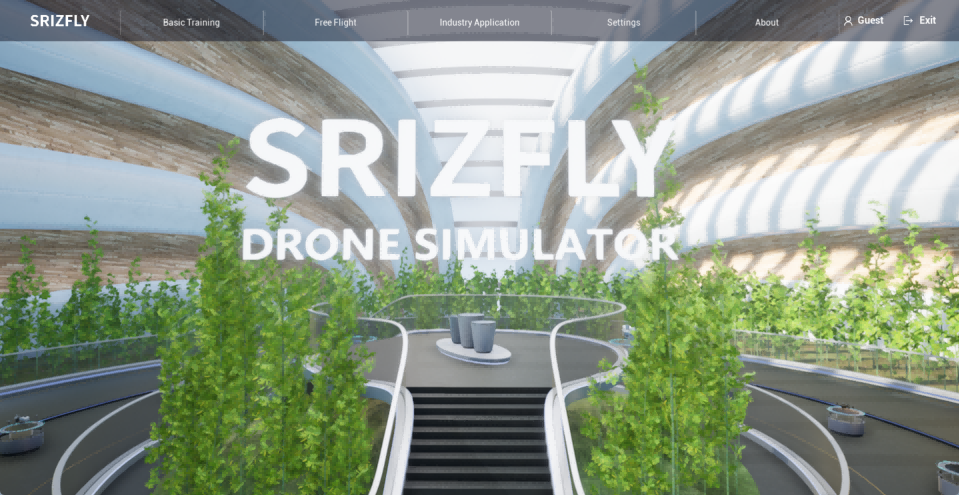
Every flight simulation built on original manufacturer data brings an unmatched level of authenticity that you can feel from the first moment you take the controls. Instead of relying on estimates or generic physics models, the aircraft’s performance, handling quirks, and system behaviors are directly derived from the engineering specifications, wind tunnel tests, and real-world flight recordings provided by the actual aircraft makers. This means the way the aircraft accelerates down the runway, responds to crosswinds, or behaves at the edge of its flight envelope mirrors what the pilots experience in the real aircraft. It’s not just about looking real—it’s about flying real, with every subtle nuance baked in from the source.
Using factory data also ensures that the intricate systems—from autopilot logic to engine management and hydraulic responses—operate in lockstep with their real-world counterparts. When you flip a switch or encounter an abnormal situation, the reactions are governed by the same parameters the manufacturer encoded into the actual flight computers and mechanical blueprints. This level of detail transforms the simulation into a genuine training tool, allowing you to study procedures, handle emergencies, and even practice checklists with the confidence that the aircraft will respond exactly as documented by the engineers who built it. There’s no guesswork, just a direct line from the hangar to your simulator.
Perhaps most importantly, this commitment to data fidelity respects the time and passion of serious simmers. You didn’t invest in high-end hardware to fly an approximation; you came for the genuine article. By grounding every aspect of the simulation in original manufacturer data, the aircraft feels alive, predictable in all the right ways, yet still capable of surprising you when you push its limits—just like the real thing. It’s the difference between playing a game and operating a sophisticated replica, where every flight becomes a lesson in aircraft character and a tribute to the craftsmanship of the aviation industry.
Step-by-step training from basic hovering to advanced maneuvers
Mastering flight starts with the deceptively simple act of hovering. It’s not just about keeping the aircraft in one spot—it’s about developing a feel for the controls, understanding subtle corrections, and building muscle memory. Spend as much time as needed at this stage, practicing in calm conditions until maintaining a rock-steady hover becomes second nature. Only then should you gradually introduce gentle movements, like sliding side-to-side or making slow pirouettes, always returning to that stable hover when things get wobbly.
Once basic control is locked in, it’s time to chain movements together into fluid patterns. Start with simple circuits: flying in square or figure-eight paths, focusing on smooth transitions and consistent altitude. This is where you’ll learn to manage momentum and coordinate turns without overcorrecting. Don’t rush—early frustrations often come from skipping ahead. Instead, treat each session as a chance to refine your precision, gradually increasing speed and complexity as your confidence grows.
Advanced maneuvers demand a blend of technical precision and situational awareness. Moves like banked turns, stall turns, or inverted flight require not just stick time but a genuine understanding of aerodynamics and your machine’s limits. Push your boundaries in a safe environment, breaking complex tricks into smaller chunks and drilling them repeatedly. The goal isn’t just to perform flashy stunts, but to develop a deep, instinctive connection with your aircraft that makes every flight an exercise in mastery.
Unlimited practice sessions that eliminate equipment wear
Modern training tools now offer unlimited practice sessions that completely eliminate equipment wear. This is a significant shift from traditional setups where constant use would gradually degrade the quality of gear, leading to frequent replacements and inconsistent performance. By removing physical wear from the equation, athletes and learners can focus purely on skill development without worrying about the cost or hassle of maintenance.
Such systems rely on advanced simulation technology that replicates real-world feedback without the physical toll. Every repetition—whether it’s a golf swing, a surgical incision, or a musical instrument stroke—feels authentic, yet the equipment remains in perfect condition indefinitely. This not only saves money but also ensures that each practice session starts with exactly the same conditions, enabling precise measurement of progress and more effective muscle memory building.
Moreover, the elimination of wear opens up new possibilities for high-frequency, intensive training regimes that were previously impractical. You can run hundreds of drills in a single day, experiment freely with different techniques, and even push the limits of performance without fear of breaking something. This democratizes access to top-tier practice, allowing everyone from beginners to experts to train at their own pace, on demand, with zero downtime.
Dynamic weather and terrain for all-condition readiness
Military operations rarely wait for perfect weather or smooth terrain. The ability to adapt instantly to shifting environmental conditions—from sudden downpours that turn roads into mud traps to unexpected snowfall blanketing key terrain—separates truly prepared forces from those caught off guard. Our training systems embed dynamic weather patterns and realistic ground surfaces, ensuring personnel develop the muscle memory and decision-making reflexes needed when conditions deteriorate without warning.
Instead of static ranges or idealized simulations, units encounter real-time adjustments that mimic nature's unpredictability. One moment the ground is firm and traction reliable; the next, heavy simulated rainfall reduces visibility and transforms the same path into a slippery hazard. This constant variation forces teams to recalibrate movement, communication, and equipment handling on the fly, building a depth of readiness that scripted exercises cannot match.
Terrain complexity is not just cosmetic—it shapes tactics, logistics, and endurance. Rolling fog can mask approach routes, icy surfaces change weapon stability, and high winds alter projectile trajectories. By weaving these factors into every phase of training, we create an environment where all-condition readiness becomes instinctive, not theoretical. The goal is simple: no matter what the sky or ground throws at them, our forces are already one step ahead.
Live performance metrics that accelerate pilot development
Measuring what actually happens during live tests, not just static simulations, cuts through the noise. Raw data streams from real-time telemetry—throttle response under gusting winds, energy recovery efficiency on sloped terrain, or brake temperature spikes during consecutive hot laps—turn subjective feel into objective truth. Every erratic sensor reading becomes a clue, pushing the engineering team to refine algorithms overnight instead of waiting for debrief notes.
These metrics don’t just validate designs; they directly shape the pilot’s muscle memory. When a developer sees that a propulsion tweak shaved 0.3 seconds off a sector time without exceeding thermal limits, the next iteration isn’t guesswork. The feedback loop tightens: cockpit alerts evolve alongside handling characteristics, so a pilot learns to trust a subtle vibration on turn-in because the numbers prove it prevents understeer. Real-time data makes every test flight a lesson, compressing months of trial-and-error into hours of adaptive tuning.
But context is king. A spike in inverter temperature might be alarming on paper, yet it’s harmless if it coincides with a known peak-load maneuver. Contextual overlays—plotting battery drain against control surface angles, or mapping G-forces to pilot heart rate—expose hidden trade-offs. Teams that embrace live, layered analytics stop chasing phantom problems and start solving the ones that ground aircraft. That’s how a prototype becomes a production vehicle: by letting real-world physics, not intuition, write the checklist.
FAQ
It's a flight training tool built by the people who actually make the drones. Unlike generic sims, it uses real drone physics and control systems, so everything from stick response to flight behavior matches the actual aircraft. You're basically flying the real drone's brain in a virtual environment.
It combines hyper-realistic visuals with flight dynamics taken straight from the drone's flight controller. You'll feel things like wind gusts, battery sag, and even motor overheating in some models. The terrain and lighting conditions are designed to challenge you in ways generic sims just can't replicate.
Honestly, anyone from beginners who've never touched a drone to commercial pilots keeping their skills sharp. If you're planning to fly a specific drone model, this is the safest way to build muscle memory without risking a crash in the real world.
First, you get exact replica models with every switch and sensor. Second, the telemetry data is live-accurate—battery percentages, GPS lock behavior, even Return-to-Home functions act just like the real thing. Plus, manufacturer sims often include training modules tailored to their own drones.
Absolutely. Many include built-in test scenarios, like automated flight pattern assessments or emergency procedure drills. Since it mirrors the real drone's behavior, your reactions become second nature, which is exactly what examiners look for.
Usually it's designed to work with the same remote controller you'd use in the field, so the muscle memory translates immediately. Most run on standard PCs or even high-end tablets, and support a range of radios via USB. Some even integrate VR headsets for complete immersion.
You can dial in crosswinds, turbulence, and sudden signal failures directly in the simulator settings. Because the physics are pulled from the drone's own sensors and algorithms, the aircraft reacts authentically—not like a generic game approximation. It's spooky how real it feels.
Free sims can teach you basic coordination, but they don't prepare you for the nuances of your specific drone. Manufacturer sims save you money in the long run by preventing crashes and giving you confidence with advanced features that third-party tools often skip or get wrong.
Conclusion
Imagine stepping into the cockpit of a drone without ever leaving the ground—and without the fear of costly crashes. The Original Manufacturer Drone Simulator delivers precisely that, offering physics so authentic you'll feel every gust of wind and weight shift, yet with the freedom to push boundaries since virtual mistakes carry zero real-world consequences. Built using data directly from the manufacturers, each aircraft behaves exactly like its physical counterpart, from subtle control responses to complex flight envelope limitations. Beginners start with gentle hover practice, guided through incremental steps until they're executing advanced aerobatics with confidence.
Because the simulator eliminates hardware wear, you can log unlimited hours, repeating tricky maneuvers until muscle memory locks in. Dynamic weather patterns and diverse terrains ensure you're prepared for anything—blustery coasts, mountain turbulence, or sudden fog. Meanwhile, live performance metrics track your progress in real time, highlighting strengths and pinpointing areas for improvement so each session makes you a sharper pilot. This isn't just a training tool; it's a comprehensive ecosystem that transforms raw enthusiasm into expert skill, all from the safety of your screen.
Contact Us
Contact Person: Niles Liu
Email: [email protected]
Tel/WhatsApp: 8619945009803
Website: https://srizfly.com/