

Printed Soft Fleece Carpet: Which One Is Right for You?
2026-09-10
Choosing a printed soft fleece carpet isn't just about picking a pretty pattern. The wrong one slips, sheds, or fades after a few washes. The right one turns a cold floor into the coziest spot in your home. Here’s how to tell the difference—and why Senseco options consistently outperform generic alternatives.
How Soft Is Soft Enough?
Softness is one of those qualities that sounds simple until you actually try to pin it down. Run your hand across a surface and you instantly know if it feels pleasant, but that gut reaction hides a whole set of trade-offs. Too plush and the material may collapse or pill after a few washes. Too crisp and it can feel stiff against the skin, never quite inviting. The real question isn't whether something is soft, but whether it stays soft in the ways you actually use it.
Think about the difference between a brand-new towel and one that has been through a dozen laundry cycles. The first may feel thick and cloud-like, but that initial fluff often comes from finishing agents rather than the fiber itself. Once those rinse away, the underlying structure shows. A genuinely soft fabric holds up because the yarns were spun and woven to allow movement without losing shape. That kind of softness is quieter—it doesn't scream for attention, but it keeps delivering comfort long after the novelty fades.
So how soft is soft enough? For most daily items, the sweet spot sits between immediate tactile pleasure and lasting resilience. If you find yourself reaching for something again and again without thinking about how it feels, that's usually a better sign than a dramatic first touch. Softness should work in the background, not perform for a single moment.
Printed Patterns Worth Living With
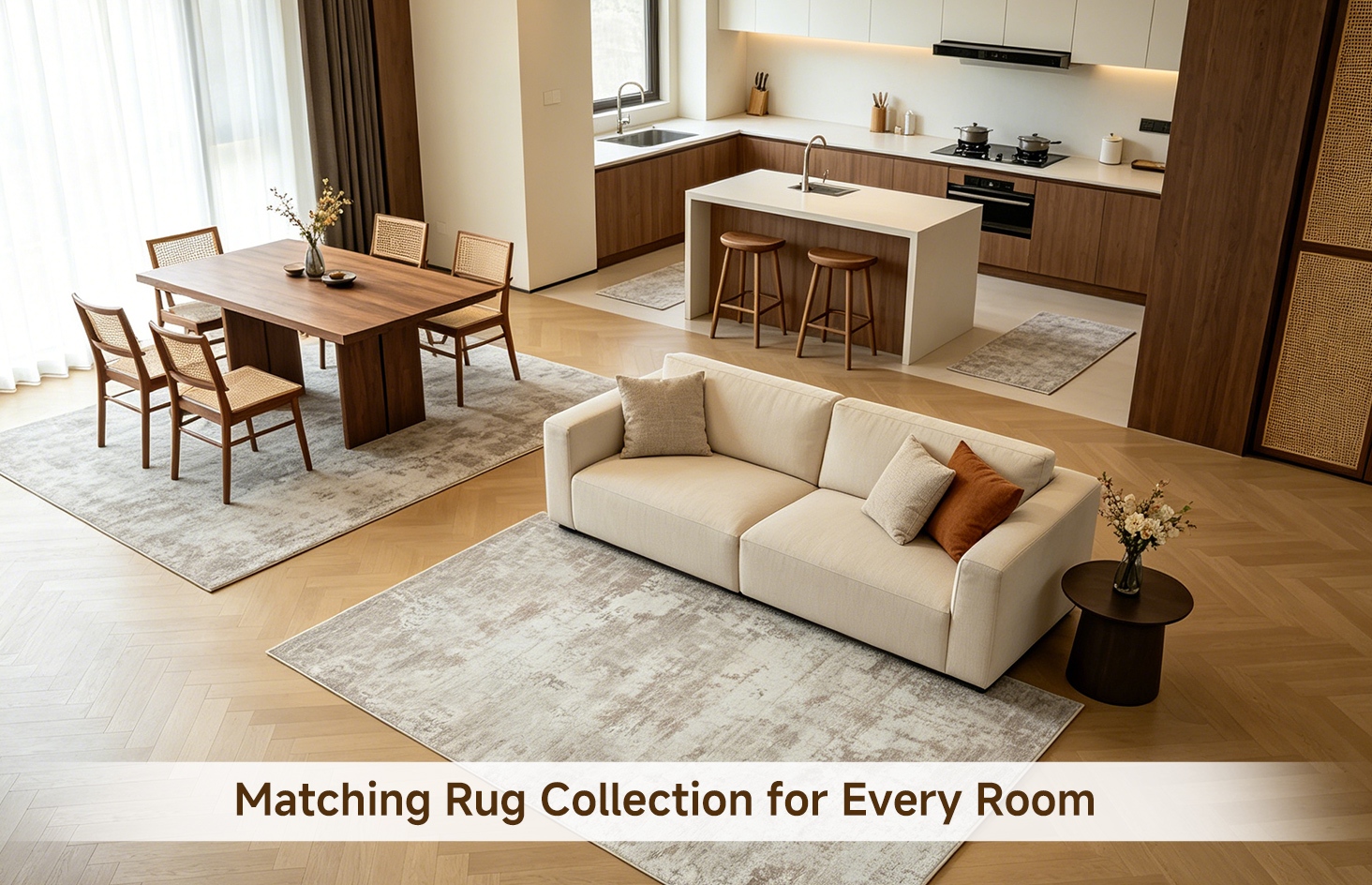
Some patterns feel like a passing trend; others settle into your home the way a favorite song does—comfortable but never boring. The prints worth living with tend to have a sense of movement that doesn't shout. A loose botanical line, a faded checkerboard, a small geometric repeat that shifts as you walk past. They invite your eye to wander without demanding attention, making a room feel collected rather than decorated overnight.
What makes a pattern last isn't just its scale or color, though both matter more than we admit. It's the way it holds up to daily life—coffee splashes, afternoon light, the odd pillow fight. Look for prints with a slightly imperfect hand, a dye that seems to have settled into the cloth, and a repeat that breaks just enough to keep things human. When you live with a pattern that has that quiet confidence, you stop noticing it as a print and start feeling it as part of the room's breath.
Underfoot Weight: The Detail Most People Miss
Most shoppers run their hands over carpet samples and glance at color, but they ignore what their feet tell them. The weight of a floor covering underfoot—often called pile density or face weight—changes how a room feels long after the showroom. A heavier, denser carpet doesn't just feel plusher on day one; it resists matting, hides footprints, and holds up under daily traffic in ways lighter options can't.
There is a quiet luxury in stepping onto a floor that doesn't shift or compress too easily. In bedrooms and living rooms, people confuse softness with quality, but softness without enough fiber mass collapses fast. Underfoot weight adds a subtle resistance that makes walking barefoot feel grounded rather than spongy. It also absorbs sound better, so a room with substantial carpet tends to hush conversations and soften the clatter of dropped objects.
Builders and designers sometimes specify lower weight to cut costs, and that choice shows up a year later in flattened pathways and visible wear near doorways. If you are comparing samples, turn them over, press your thumb into the pile, and notice how quickly it springs back. That small test tells you more than color or texture ever will. The detail most people miss is literally under their feet, and it determines whether the floor feels like an afterthought or a deliberate choice.
Getting the Size Right Without the Tape Measure Headache
Let’s be honest: wrestling with a tape measure while trying to figure out if a couch will squeeze through your doorway is nobody’s idea of fun. The numbers blur, the tape twists, and suddenly you’re second-guessing every inch. A smarter move is to map out the footprint of the piece right on your floor using painter’s tape or even sheets of newspaper. Trace the outline, then walk around it. Can you still open the fridge? Is there room to slide past without turning sideways? This simple dry run tells you more than any spec sheet ever could.
If you’re buying from a store, don’t leave without snapping a photo of the item’s dimensions tag — usually tucked under a cushion or on the back panel. Then, back home, grab a roll of string and cut it to match the listed width, depth, and height. Stretch the string across your room, archways, and stairwells. It flexes where rigid tape doesn’t, mimicking how people actually maneuver furniture through tight corners. You’ll spot potential snags early, like a light fixture hanging lower than the piece’s height or a banister that eats into your turning radius.
For online shoppers, avoid relying on the single "fits most rooms" line. Pull up the product’s scaled drawing if available, then measure the open space in your home and mark those boundaries with low-tack tape. Place the printed or on-screen image inside that taped zone — mentally if not physically — and pay attention to sightlines. Does the piece dwarf your existing coffee table? Will drawers open without hitting the wall? By treating measurements as a visual rehearsal instead of a math quiz, you’ll nail the size on the first try and skip the return-line headache entirely.
Real Spills, Real Cleanup, Zero Panic
Picture this: a full mug of coffee tips over onto your light-colored carpet, or a bottle of red wine slips from your hand mid-toast. In that split second, panic feels almost automatic. But here's the thing — stains don't demand drama, they demand a plan. With the right approach, even the most dramatic spills become routine cleanups. You don't need to know the chemical composition of every stain; you just need to act with a calm head and a few smart habits in your back pocket.
The difference between a permanent mark and a forgotten mishap often comes down to what you do in the first minute. Blot, don't rub. Use cold water before hot. And never let a spill sit while you search online for ten different opinions. Treat the area as if it's a fresh wound — gently, promptly, and without adding more mess. A simple white cloth, a bit of mild dish soap, and patience can outperform a cabinet full of harsh chemicals. Real cleanup isn't about brute force; it's about knowing that most spills are reversible if you refuse to let fear take over.
Zero panic doesn't mean zero effort — it means replacing the internal alarm with a quiet protocol. Keep a small cleanup kit within reach: absorbent cloths, a gentle stain remover, a plastic scraper for solids, and a spray bottle of plain water. When a spill happens, take one deep breath, then move. Scrape, blot, dilute, repeat. By the third or fourth time you handle a spill this way, it becomes muscle memory. That's the real award: not a spotless floor, but knowing that you can handle the next accident without your heart rate spiking. Stains are temporary; the calm you build is permanent.
The Moments a Printed Fleece Carpet Truly Shines
There’s a particular hush that settles over the living room on the first genuinely cold night of the year. The heating hasn’t quite caught up, the floorboards feel like ice, and every step toward the kettle is a small act of endurance. That’s when a printed fleece carpet stops being a decor choice and becomes a small piece of infrastructure. The pile catches the last amber light from a table lamp, softening the edges of the room just enough. A mug of tea, a half-finished book, bare feet sinking into something that doesn’t flinch at the cold — the carpet doesn’t ask for attention. It simply makes the room feel inhabited rather than merely furnished.
It earns its keep again on those long Sunday afternoons when the sofa has grown tired and the floor becomes the default headquarters. Kids sprawl with building blocks, a dog claims the sunniest corner, and someone inevitably ends up lying flat on their back, staring at the ceiling. A printed fleece carpet absorbs the chaos without turning it into noise. Crumbs brush off, a spilled cup of water beads rather than soaks, and the pattern — whether it’s a faded geometric or a loose botanical — does the quiet work of pulling the room together. It’s not precious. It’s meant to be sat on, napped on, argued over, and forgotten about until the next time cold feet find it.
Then there are the in-between moments, the ones that don’t make it into photos. The first week in a new apartment, when the walls are still bare and the only thing anchoring the space is a soft square of color on the floor. Or the late-night ritual of a parent padding into a nursery, floor covered in a fleece that makes the journey a little quieter. A printed fleece carpet doesn’t demand a redesign or a style overhaul; it slips under a coffee table or beside a bed and changes the temperature of the room both literally and otherwise. That’s the thing about it — not a statement piece, but the thing that makes statements feel livable.
FAQ
Look at the backing material first. A non-slip backing saves you from buying a separate rug pad, and it keeps the carpet from bunching up in high-traffic spots. Also run your hand over the printed side—cheaper prints can feel stiff or plasticky, while good ones stay soft even after a couple of washes.
It can work, but food crumbs and spills are the main annoyance. Fleece grabs crumbs, so sweeping takes longer. If you choose one for a dining area, pick a darker print and treat it with a fabric protector before the first spill.
Cold water, gentle cycle, mild detergent. Skip fabric softener—it coats the fibers and makes the print look dull. Air dry or use the lowest heat setting. If you toss it in a hot dryer, the edges can curl and the colors may crack.
Yes for most everyday play. It cushions hard floors, but it's not a gym mat. If your toddler is learning to walk and falls a lot, layer it over a foam mat for extra padding. The fleece surface is also gentle on knees and elbows.
Direct sunlight will eventually lighten any printed fabric, including fleece. If the room gets strong afternoon sun, rotate the carpet every few weeks or close the blinds during the brightest hours. Printed fleece rugs fade slower than thin polyester throws but faster than wool.
Some slide, some don't—it depends on the backing. If the backing is plain fleece, it will drift. Look for one with a dotted rubber or latex backing, or add a non-slip pad underneath. That also stops the corners from curling up.
They're soft and warm for pets, but fur clings to fleece like a magnet. A rubber broom or a squeegee pulls pet hair out quickly. Wash it more often if your pet sheds heavily or has accidents, and choose busy prints where small stains hide better.
Absolutely. The lightweight material makes it easy to drape over a sofa or hang with clips. Just keep it away from direct heat sources, and if you're hanging it, rotate it occasionally so one side doesn't fade faster than the other.
Conclusion
Choosing a printed soft fleece carpet often comes down to how it feels under bare feet. Some fleece feels plush but flattens quickly; others keep a springy loft even after weeks of traffic. You want a pile that gives way just enough without swallowing your toes. Look beyond the label—rub your hand across the surface and notice whether the fibers bounce back or lie limp. Weight matters here too. A denser, heavier fleece holds its shape better and sits flat, while a thin one will wrinkle and slide around. If you have hard floors, that extra heft also quiets footsteps and adds a little warmth.
Patterns are more than decoration—they set the mood of a room. Small-scale motifs hide lint and everyday dust, while bold, large prints can anchor a space but demand a cleaner floor. Size is another quiet failure point. Before ordering, map out where the carpet will sit using painter's tape, leaving enough margin so doors don't catch and furniture legs don't straddle the edge. And don't overthink spills. Most printed fleece rugs handle real-life messes well if you blot promptly and use a mild soap. They truly shine in low-traffic spots like bedrooms, reading corners, or under a desk, where softness and a lively print matter more than heavy-duty durability.
Contact Us
Contact Person: Ivy Yin
Email: [email protected]
Tel/WhatsApp: +86 18519681805
Website: https://www.sensecomarketing.com/