
Professional MCM Soft Stone Design Ideas for Modern Interiors
2026-08-13
When modern interiors crave the warmth of natural texture without the weight of traditional stone, MCM soft stone steps in as the ingenious compromise. At Magic Stone, we’re rethinking how flexible, feather-light panels can bring depth to feature walls, curved surfaces, and even ceilings—places where rigid cladding simply gives up. But professional-grade results demand more than a pretty veneer. So what actually separates a striking, seamless installation from a DIY mishap? In the design ideas ahead, we’ll unpack the techniques, pairing strategies, and finishing details that make soft stone feel like it was meant to be there all along.
Soft Stone Feature Walls That Anchor Without Overpowering
There is a quiet confidence in a wall that doesn't shout for attention, yet still manages to hold the entire room together. Soft stone surfaces—honed limestone, travertine with subtle veining, or muted sandstone—do exactly that. They bring a grounding presence without the visual weight of polished marble or the rugged drama of raw slate. The key is in the texture: a gently textured finish catches light in soft, shifting patterns, creating depth without demanding your gaze. This allows the wall to anchor the space, providing a backdrop that feels substantial but never heavy, like a calm exhale in the middle of a busy day.
What makes these feature walls so versatile is their ability to read as both architectural element and quiet artwork. A floor-to-ceiling application in a living room can make the ceiling feel taller, while a partial installation behind a bed or sofa becomes a subtle frame for the furniture itself. Instead of competing with other materials, soft stone tends to harmonize with them—warm wood tones gain richness, soft textiles feel more inviting, and even cool metals lose their edge. The color palette helps here too: think warm greys, driftwood beiges, and chalky whites that sit comfortably with almost any scheme. They aren't the star of the room; they're the reason the room works.
Installation choices also influence how softly these walls read. A honed finish with slightly beveled edges softens the lines between individual stones, reducing the grid-like busyness that can make feature walls feel busy. Larger-format tiles or slabs create fewer joints, allowing the natural variation in tone to flow more continuously. And when you light them properly—with a warm, low-angle wash rather than harsh downlighting—the wall seems to glow from within. It's this understated presence that makes a soft stone feature wall feel less like a design statement and more like an inevitable part of the room's character, the kind of surface you want to touch when no one is watching.
MCM Soft Stone Kitchen Splashbacks: Warmth Minus Grout
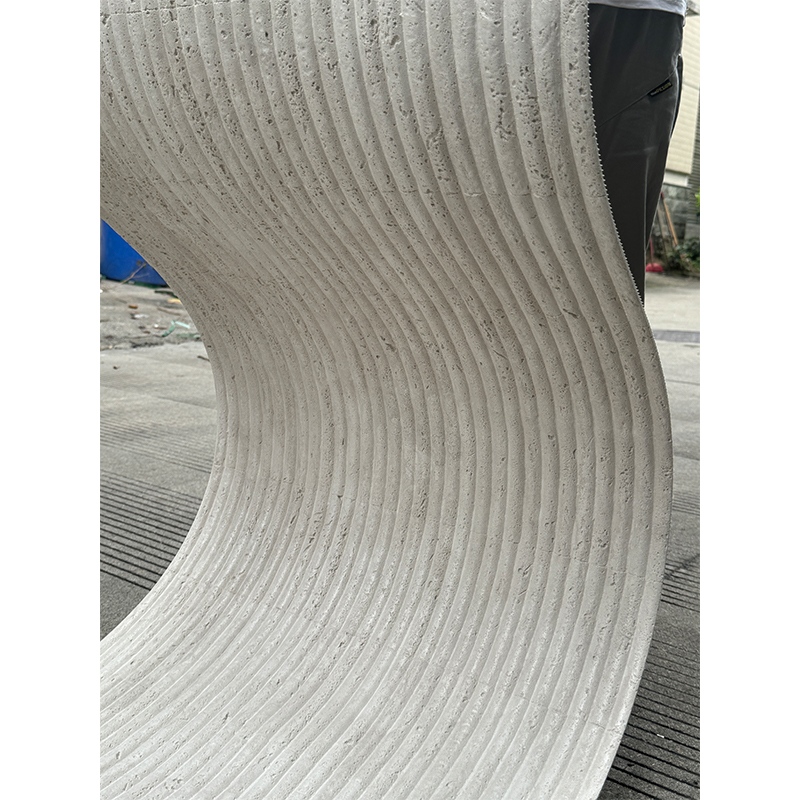
The appeal of a stone kitchen splashback usually comes with an annoying trade-off: those grout lines that trap grease and demand constant scrubbing. MCM Soft Stone flips that assumption. It delivers the organic warmth and subtle texture of natural stone in a single, continuous surface, so there are no seams or grout joints to interrupt the flow.
Because it is applied as a flexible, trowelable finish, MCM Soft Stone wraps around corners, window reveals, and awkward niches without the need for cutting tiles or planning for expansion gaps. The result is a calm, unbroken backdrop that feels more like a plastered wall than a tiled kitchen, yet still carries the depth and character you would expect from stone.
On the practical side, the absence of grout means food splashes and cooking oil have nowhere to hide. A wipe with a damp cloth is usually all it takes to keep the splashback looking fresh. And since the material is designed to resist moisture and staining, the warmth it brings to the kitchen doesn't come with a nagging cleaning routine.
Bathroom Vanity Walls That Skip the All-White Default
White bathroom vanities have held the spotlight for years, but a wall of crisp white can feel sterile or expected. Swapping that default for a saturated tone or textured finish instantly changes how the vanity area reads. Deep forest green or dusty blue brings a cocooning, almost spa-like calm, while burnt terracotta or ochre adds warmth that white rarely achieves on its own.
Material matters as much as color. A fluted wood panel stained walnut or charcoal introduces rhythm and shadow without overpowering the room. If you prefer stone, a honed travertine or dramatic marble slab behind the vanity turns the wall into a focal point rather than a backdrop. Even a simple limewash paint in sage or clay creates subtle movement and softness that flat white paint cannot match.
Don't overlook the power of contrast. Pair a dark vanity wall with brushed brass fixtures and a light countertop, and the whole setup feels intentional rather than accidental. The goal isn't to reject white entirely—it's to let the wall behind the sink do some of the heavy lifting, so the space feels personal instead of pulled from a showroom.
Fireplace Surrounds in Soft Stone: Reclaiming the Focal Point
Soft stone brings a quiet confidence to fireplace surrounds that harder materials often miss. Instead of shouting for attention with high-gloss marble or heavy granite, limestone, travertine, and soapstone offer a matte warmth that pulls the room inward. Their subtle tonal shifts and faint fossil markings make each surround feel less like a manufactured slab and more like a found object, one that has always belonged against the flicker of a fire.
The real advantage comes in how soft stone ages. A small nick or a water stain doesn't read as damage; it becomes part of the surface's story. This forgiving quality means you can stop obsessing over perfect corners and start enjoying the way the stone absorbs light at different times of day. Designers often pair these surrounds with simple wooden mantels or no mantel at all, letting the stone's texture do the work without competing for visual rank.
If your living room has drifted into a pass-through space, a soft stone surround can anchor it again. The material's low reflectance keeps the fireplace from becoming a mirror-like distraction, while its natural variation draws the eye without demanding it. Swap out a dated brick or polished tile front for honed limestone, and suddenly the hearth feels less like a relic from a past remodel and more like the room's quiet center of gravity.
Curved Niches and Alcoves: Soft Stone's Quiet Advantage
Most rigid materials give up at the first hint of a curve. Soft stone doesn't. In a curved niche or alcove, it follows the sweep without forcing you to cut dozens of tiny segments or hide ugly seams. The surface simply wraps, and the curve reads as one continuous gesture instead of a patchwork.
That matters most in small spaces where every joint pulls the eye. A rounded alcove lined with soft stone catches light softly across its arc, so the shadow line never breaks. The material's thin profile also means you can carry it into tight radiuses that would defeat thicker panels or plaster, keeping the depth of the recess feeling intentional rather than compromised.
Builders often expect curves to demand more labor, but here the advantage is quieter: fewer cuts, less waste, and a cleaner transition at the edges. The niche ends up looking effortless, even when the framing behind it required some persuasion.
Bedroom Headboard Walls With Muted Stone Texture
The idea of bringing a muted stone texture into the bedroom isn't about recreating a cave or a rustic lodge. It's about borrowing the quiet, grounded energy of natural rock and softening it until it feels like a backdrop for rest. On a headboard wall, this texture works like a visual exhale—its irregular surface catches light in a way flat paint never could, creating shadows that shift as the day moves. The key is restraint: think limestone with its chalky softness, or a weathered travertine that has lost its gloss. These tones sit somewhere between warm grey and pale sand, refusing to shout for attention while still giving the room a subtle architectural anchor.
What makes muted stone particularly effective behind a bed is how it interacts with textiles. Against crisp white sheets, the texture reads almost like a fine-grain plaster, adding depth without visual noise. Paired with linen in oat or clay tones, it pulls the whole room toward a Mediterranean calm. Designers often pair this wall treatment with low, horizontal furniture and unadorned windows, letting the stone's surface be the only pattern in the space. The muted quality also means you can layer in a single accent—a deep green throw, a black iron lamp—without the room feeling busy. It's a texture that gives permission to simplify everything else.
For those worried about committing to actual stone veneer, there are quieter alternatives. Limewash paint applied with a wide, irregular brush can mimic that same soft mineral variation, and it ages beautifully with the wall's natural movement. Plaster finishes with fine aggregate mixed in offer another route, creating a surface that feels cool to the touch and slightly uneven. The goal isn't perfection; it's the opposite. A muted stone texture should look as though it has been there for decades, absorbing the room's history. When done right, the headboard wall stops being just a wall and becomes the quiet, steady presence that holds the entire bedroom together.
FAQ
MCM soft stone panels are surprisingly lightweight and flexible, so they can be applied directly over painted drywall or existing tile without heavy structural support. That cuts labor time and waste. For living rooms, the material gives the visual warmth of natural stone without the cold, hard feel—especially when you choose a honed or suede finish. It also resists minor impact and doesn’t chip as easily as rigid stone, which matters if you have kids or pets.
Stick to one plane—usually the wall behind the sofa or media console—and keep the surrounding walls in a flat, low-sheen paint. Choose a panel with subtle tonal variation rather than a high-contrast vein pattern. You can also break the wall visually by running soft stone only from floor to about 110 cm and topping it with a thin oak shelf. That trick keeps the texture at eye level while leaving breathing room above.
Look for panels with a fine limestone or micro-cement appearance in a matte finish. Avoid heavy cleft or chipped-edge textures, which collect dust and fight with sleek cabinetry. A light greige or warm sand tone works better than pure white because it hides fingerprints and feels less sterile. If the kitchen is small, use the stone on the backsplash only and continue the same color onto the lower cabinets so the eye doesn’t stop at the stone edge.
Yes, but the trick is to let one material dominate. For example, use a dark smoked oak floor as the base, blackened steel on door frames, and a soft stone fireplace wall in a mid-tone taupe. The stone acts as a bridge between the wood’s warmth and metal’s coolness. Avoid adding a fourth strong material—like polished brass or glossy tile—because the palette can start to feel busy.
One mistake is treating MCM soft stone like waterproof tile without checking the system’s sealant requirements. While the surface repels water, the joints and edges need a flexible sealant rated for wet areas. Another mistake is using a heavily textured panel near the shower floor, where soap scum builds up in the grooves. Choose a smoother finish for wet zones and save the rougher texture for a vanity wall that stays dry.
Installation usually involves a polymer-modified adhesive and a notched trowel on a stable, primed substrate. Panels can be cut with a utility knife, which reduces dust and noise compared to cutting rigid stone. For maintenance, a soft broom or vacuum with a brush attachment handles daily dust. Every few weeks, go over the surface with a damp microfiber cloth and a pH-neutral cleaner. Skip abrasive pads and acidic cleaners, which can dull the finish.
Yes, many MCM products use a mix of mineral powders and a small amount of polymer binder, which means they require less quarrying than solid stone slabs and produce less waste during fabrication. The lighter weight also lowers transportation fuel per square meter. That said, you should check the product’s environmental data sheet for recycled content and VOC levels, because not all brands are equal.
Grazing light from a wall washer or a linear fixture placed close to the surface creates soft shadows that highlight the stone’s texture. Avoid spotlights aimed directly at a highly textured panel; they can create harsh hot spots. For a stone fireplace or feature wall, install dimmable LED tape in a recessed channel above the stone, then aim it downward at a 15- to 30-degree angle. That gives the surface a quiet, three-dimensional look without glare.
Conclusion
Soft stone surfaces have moved beyond the expected, and MCM versions bring a refined flexibility that standard slabs or tiles can't match. A feature wall in this material anchors a living space with organic depth, yet its muted palette keeps the room from feeling heavy. In the kitchen, a soft stone splashback eliminates grout lines entirely, creating a seamless warmth that's easy to wipe down and surprisingly resistant to daily wear. Bathroom vanity walls benefit from the same quiet shift: instead of defaulting to plain white, a softly textured stone backdrop adds character without visual noise, pairing well with brushed metal or warm wood.
The material's real advantage shows in curved niches and alcoves, where rigid stone would demand costly custom cutting, but MCM conforms smoothly around bends and corners. Fireplace surrounds, once a predictable focal point, regain their presence when wrapped in a continuous soft stone face—no joints to interrupt the flow. Even in bedrooms, a headboard wall with muted stone texture brings a grounded, almost sculptural calm that paint or wallpaper can't provide. Across these applications, the design language stays consistent: subtle variation, tactile warmth, and a professional finish that works as well in a compact city apartment as in a larger open-plan home.
Contact Us
Contact Person: Vito
Email: [email protected]
Tel/WhatsApp: 86 13088879266
Website: https://www.magicstonemcm.com