

Roll to Roll Laminating Machine Distributor: Your Partner for Precision Coating Solutions
2026-11-16
Precision coating isn’t just a process—it’s the heartbeat of advanced manufacturing. Whether you’re crafting flexible electronics, optical films, or high-barrier packaging, the right roll-to-roll laminating machine turns complexity into seamless productivity. As a dedicated distributor, we’ve seen firsthand how the right partnership transforms your coating line. Meet XIAOPAI, where engineering meets reliability—and where your most demanding substrates find their perfect match.
Why Precision Coating Starts with the Right Roll-to-Roll Laminator
In the world of flexible materials, the laminator is far more than a simple bonding tool—it is the foundation upon which coating uniformity is built. Precision coating demands that every microscopic layer of adhesive, conductive ink, or protective film is deposited with relentless consistency. When a roll-to-roll laminator is not designed for exacting control, factors like roller pressure fluctuation, speed variance, and web tension drift become impossible to manage. The right machine transforms these variables from guesswork into engineered parameters, ensuring that the coating's thickness and integrity stay constant from the first meter to the last.
Many assume that coating quality is solely determined by the coating head or the fluid delivery system, but even the finest coating station cannot compensate for a laminator that introduces subtle vibrations or misalignment. A purpose-built roll-to-roll laminator maintains perfect web path geometry and synchronizes roller speeds with high-resolution feedback. It eliminates the micro-gaps or stretching that lead to optical defects, adhesive starvation, or uncoated edges. This harmony between the coating unit and the laminator mechanism transforms a standard process into one capable of producing defect-free films for high-stakes applications like medical sensors or flexible displays.
Choosing the right laminator also means future-proofing your coating process. Advanced systems offer modular roller configurations, quick-change laminating sections, and precise temperature control across multiple zones. These features allow manufacturers to switch between coating chemistries and film substrates without re-engineering the entire line. When the laminator is treated as an integral part of the coating ecosystem rather than a downstream afterthought, companies gain the agility to experiment with novel formulations and scale winning products quickly—all while holding the tight tolerances that premium markets demand.
Inside the Lamination Process: Materials, Tension, and Consistency
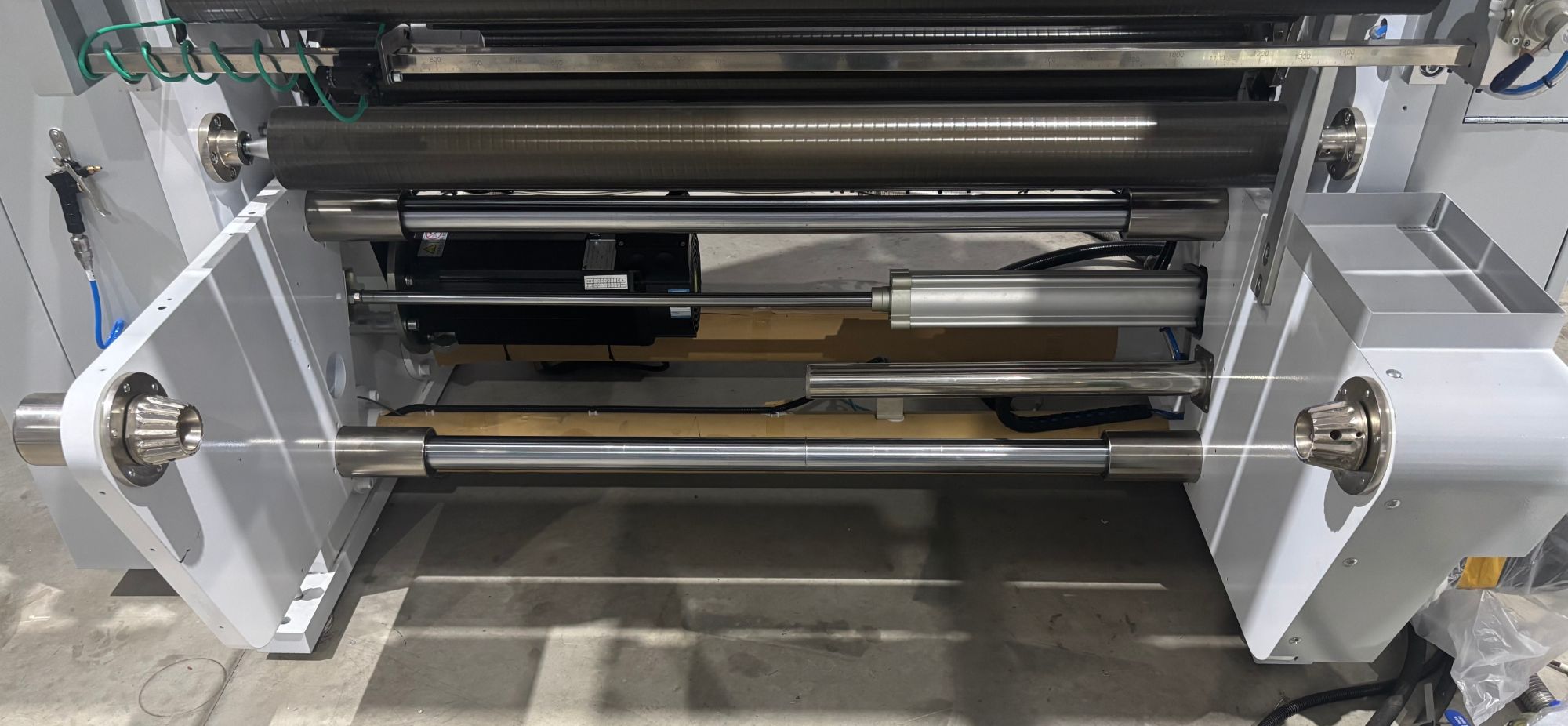
The heart of any successful lamination job lies in the interplay between the substrate and the film. Choosing a film isn’t simply about gloss or matte finish—its gauge, adhesive chemistry, and thermal reactivity must align with the paper’s porosity, coating, and moisture content. Mismatched materials often reveal themselves days later as curling edges or cloudy spots, quietly undoing the precision of the print.
Tension control rarely gets the attention it deserves until a web snaps or wrinkles cascade through the run. On wide‑format machines, uneven brake pressure or a misaligned unwind shaft can introduce micro‑stretches that distort the laminate just enough to misregister die‑cuts. Skilled operators learn to listen for changes in roller hum and to trust their fingertips when checking nip‑point consistency—it’s a tactile craft that no digital dashboard fully replaces.
Consistency across a shift depends on more than machine settings. Ambient temperature swings, roller cleanliness, and even the way a roll is stored before loading can shift adhesive activation temperatures. The best crews log these environmental variables alongside machine data, building a living reference that helps repeat yesterday’s flawless finish instead of chasing today’s gremlins.
How a Distributor Adds Value Beyond the Machine Sale
A machine is just a starting point. The real partnership begins when the invoice is paid. A sharp distributor doesn't vanish after delivery—they embed themselves in your operations, learning your production rhythms and pain points. They spot inefficiencies you've grown blind to and suggest auxiliary equipment or workflow tweaks that quietly boost throughput without a new capital expense.
Think about the last time a critical component failed on a Friday afternoon. A distributor with deep local stock and a no-nonsense service team turns a potential shutdown into a brief hiccup. Beyond the emergency response, they conduct periodic health checks on your equipment, catching wear before it cascades into damage. That proactive instinct slashes unplanned downtime and extends asset life in ways a manufacturer's distant support line rarely can.
Then there's the quiet knowledge transfer that compounds over time. Through informal operator training, shared setup shortcuts, or candid advice on material choices, your team absorbs tribal wisdom that no manual contains. This layer of support transforms a transactional purchase into a durable, evolving edge on the factory floor.
Industry-Specific Demands That Shape Machine Specifications
The machinery that powers a food processing line looks nothing like the equipment found in an automotive assembly plant, and the reasons run deeper than superficial design choices. In the food industry, every surface that touches product must resist frequent chemical washes and eliminate bacterial harborage points, leading to fully welded frames, sloped surfaces, and specific stainless steel grades. Automotive manufacturers, by contrast, prioritize high-speed precision and integration with robotic systems, so their machine specifications emphasize vibration dampening, repeatability within micron tolerances, and compatibility with just-in-time parts delivery. These diverging needs mean that a standard, off-the-shelf solution rarely fits both worlds without significant modification.
Beyond hygiene and speed, material handling demands carve out entirely different machine footprints. A lumber mill requires conveyors and cutting heads that can withstand abrasive dust and heavy impact loads, often calling for cast-iron housings and oversized bearings. Pharmaceutical operations, however, push engineers toward enclosed, low-particulate designs with smooth, easily validated cleanroom compatibility—often swapping out lubricated parts for sealed, maintenance-free alternatives. Even within a single sector like electronics, the shift from assembling chunky power supplies to fragile microchips forces a complete rethink of gripping mechanisms, static dissipation, and force feedback sensitivity, turning a generic pick-and-place robot into a highly specialized instrument.
Operating environments add another layer of complexity that shapes everything from electrical enclosures to coolant systems. Machines destined for offshore oil platforms must meet explosive atmosphere certifications and resist saltwater corrosion, driving specifications toward hazardous-area rated components and protective coatings that would be overkill in a consumer goods warehouse. Similarly, equipment used in freezer storage at negative forty degrees needs low-temperature steel alloys and heaters on moving parts, while machinery in a foundry has to cope with radiant heat and airborne scale. Successful suppliers don't start with a machine and ask where it fits; they map the plant's daily rhythms, cleaning protocols, and even the operator's glove thickness before committing to a single specification.
The Quiet Role of After-Sales Support in Uptime and Output
Most production metrics track what happens on the floor, but the real anchor of consistent output often sits in the service log. A fast-response field technician who arrives before a minor glitch snowballs into a full stop changes the math entirely. It’s not about fixing what’s broken; it’s about catching the drift in vibration data, the odd temperature spike, or the wear pattern that operators overlook while chasing cycle counts. When your support team knows the equipment’s history better than the shift lead, downtime gets compressed into minutes instead of days.
There’s a subtle shift that happens when after-sales support moves from reactive calls to embedded partnership. Spare parts aren’t just shipped in a box—they arrive with contextual guidance that fits the current production load. Remote diagnostics don’t end with a ticket closed; they feed into a living maintenance map that adjusts torque values and lubrication intervals based on actual stress, not a generic calendar. That kind of quiet orchestration keeps conveyors moving and extruders running hot without anyone needing to sound an alarm.
Output climbs not only from faster speeds but from the removal of unscheduled pauses that erode a line’s rhythm. Smart after-sales teams become invisible choreographers, aligning predictive parts replenishment with planned tooling swaps so that a single intervention covers multiple future failure points. The result isn’t flashy, but it shows in the month-end numbers: higher OEE without a capital spend, simply because the support net underneath the machinery never let it stumble long enough to count as a stop.
Evaluating Laminating Equipment Without the Sales Pitch
The first thing to ignore during a demo is the glossy brochure and the rep’s polished talk track. Instead, watch how the machine handles the materials you actually run daily. Feed it a mix of thin, curled stocks and thicker substrates in quick succession, then observe whether the film tension stays consistent or if wrinkles and silvering appear at the edges. A machine that requires constant tweaking of temperature or speed just to get through a stack of varied prints will become a bottleneck on your floor, no matter how impressive its top throughput number sounds.
Pay close attention to the recovery time between jobs and during stops. Real production involves interrupts—a jam upstream, a sudden change in run length, an operator stepping away. Run a series of short, drastically different sheet sizes and watch how quickly the laminator purges the previous settings and stabilizes again. If the first few sheets out of a changeover are always scrap, that waste is part of the actual cost of running the equipment, even if it’s left out of the purchase justification spreadsheet.
Finally, ask to see maintenance logs and talk to the operator, not the sales manager. Check how film threading actually works when the web breaks—some designs look straightforward on a diagram but demand fifteen minutes of frustration in a hot machine. Inspect the silicone rollers yourself for wear and ask about replacement frequency and pricing. A laminator that feels bulletproof in a brief visit but eats rollers every two months under your workload will quietly drain your maintenance budget and patience long after the warranty expires.
FAQ
Flexible electronics, medical device fabrication, battery component assembly, and advanced packaging lines see the biggest gains. These fields demand continuous, high-precision layering that batch processes simply can’t deliver without compromising speed or uniformity.
We treat your process like our own. That means on-site alignment checks, custom tension control tuning, and direct access to application engineers who’ll fine-tune the coating head to your exact adhesive and substrate combo—long after installation.
A reseller hands you a manual. A partner shows up with substrate samples, runs trials, and tweaks parameters until your yield curve stops dipping. We carry lamination rheology know-how, not just spec sheets.
Absolutely. We’ve dialled in processes for fragile films down to 2 micron and irregular surfaces that would destroy a generic roller setup. The key is adaptive nip control and segmented pressure zones—it’s all in the setup methodology we provide.
Not at all. Many of our units offer modular tooling and reduced web width configurations specifically for pilot runs. You get production-caliber coating consistency without wasting material or capital, then easily scale when the design locks.
Think of it as process co-ownership. We schedule quarterly optical inspection reviews, offer remote recipe adjustments, and keep a shared log of your substrate batch variations so we can preempt drift before it affects output.
An OEM often ships a standard machine. We ship a configured solution wrapped in local service. You get faster troubleshooting, multilingual training, and supply-chain mapping for consumables like release liners—details that directly impact your uptime and waste rate.
Conclusion
Precision coating doesn’t happen by chance—it begins with a laminator engineered to handle your specific materials and process demands, and a distributor who understands what that really means. A true partner looks beyond the machine specs, digging into how you manage tension across film, foil, or adhesive layers and how subtle variances in unwind or rewind could throw off an entire roll. They know that consistency isn’t just about tight tolerances on paper; it’s about the rhythm your operators develop with the equipment, the way the gap adjusts under heat, and whether the web path was designed with your industry’s quirks in mind. Whether you’re coating flexible circuits, medical tapes, or optical films, the right roll-to-roll laminator doesn’t just meet a datasheet—it stretches into your process and becomes invisible, so your output speaks for itself.
What often gets overlooked, until a line goes quiet, is how much a distributor’s after-sales team quietly keeps that rhythm intact. Technical support that reaches you before a minor drift becomes scrap, spare parts that don’t strand you during a rush order, and training that turns machine features into operator instinct—these aren’t extras, they’re uptime. When evaluating equipment without the sales haze, it’s this lived reliability and the distributor’s long-term commitment that separate a purchase from a partnership. The machine you choose today will be measured by what it produces three years from now, and having a distributor who stands with you through recalibrations, expansions, and shifting market demands transforms a capital investment into a foundation for continuous precision.
Contact Us
Contact Person: Kellen Chen
Email: [email protected]
Tel/WhatsApp: 8613806536768
Website: https://www.cnxiaopai.com