

Smart Air Conditioner Solutions for a Comfortable and Efficient Home
2026-11-16
Imagine walking into a perfectly cooled room on a sweltering summer day, all while your energy bill stays surprisingly low. That’s not a distant dream—it’s what modern smart air conditioner solutions deliver. With PAULAIR, you get more than just a machine; you gain an intuitive system that adjusts to your rhythms, conserves power, and keeps every corner of your home consistently comfortable. Ready to see how a few clever upgrades can transform your living space?
Cooling That Matches Your Rhythm, Not the Other Way Around
Most air conditioners force you into their schedule—blasting cold air for 20 minutes, then shutting off completely until the room warms back up. Your body feels the swings. One minute you’re reaching for a blanket, the next you’re peeling off a layer. It’s distracting and uncomfortable.
We designed a different kind of cooling. The system reads subtle shifts in temperature and humidity throughout the day and adjusts its output in real time. Instead of harsh on-off cycles, it breathes with the room—delivering a steady, gentle flow that holds the space exactly where you want it. The background hum becomes almost imperceptible, allowing you to work, cook, or wind down without the machine interrupting your rhythm.
This means you stop thinking about the air around you. No fiddling with remotes, no sudden chills when you’re trying to fall asleep. The house simply stays comfortable, following your natural routines so you can focus on what actually matters.
Precision Climate Zones for Every Room’s Personality
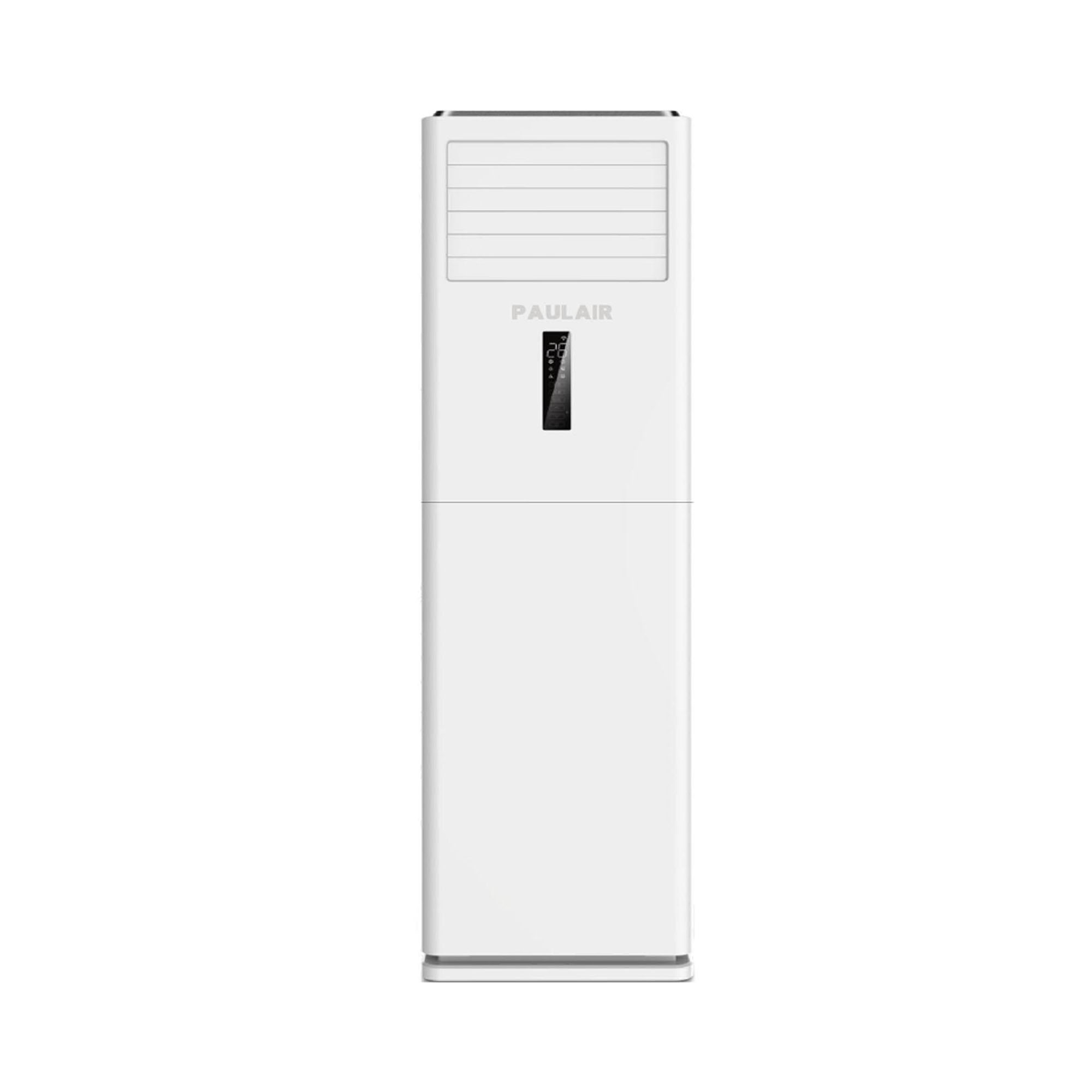
Your kitchen probably runs a few degrees hotter than the bedroom, and that’s not an accident—it’s a mood. Instead of fighting these natural shifts, we lean into them, setting each room’s climate to match the kind of energy you want there. The living room stays bright and just cool enough to feel crisp, like a morning that makes you want to throw open the windows. The dining space hums with gentle warmth, nudging everyone to linger. This isn’t about squeezing every square foot into one bland number; it’s about handing each space its own atmospheric signature, so moving through your home feels like crossing soft borders instead of flat, forgotten degrees.
We stopped pretending one thermostat can read the room—literally. A sun-drenched breakfast nook gets a different treatment than the north-facing study, and the guest room deserves a welcome that doesn’t smell like correction. With sensors that learn when you migrate from desk to couch, and vents that adjust without you ever touching a panel, the house starts holding temperatures the way a good host remembers who likes ice in their water. Even forgotten corners, like the laundry alcove or the mudroom bench, get a small climate tweak that says this place was truly considered.
The result doesn’t announce itself. You might notice the bathroom floor is warm but the air keeps a slight freshness that wakes you up better than caffeine. Or that the media room settles into a cozy hush at dusk without feeling stuffy. These aren’t random fluctuations—they’re a quiet choreography, giving each room a clarity of purpose that standard HVAC can’t touch. When temperature becomes personal, your home stops being a container and starts behaving like a collection of favorite places, each with its own perfectly tuned breath.
How Your AC Learns When to Save and When to Splurge
Your air conditioner isn't just cycling on and off blindly anymore. Modern units come with a quiet kind of awareness—tiny sensors tracking your comings and goings, the humidity settling into your couch cushions, even the way late-afternoon sun heats the west wall. Over the first few weeks, it builds a loose memory of your habits. Tuesday afternoons when the house sits empty? It coasts. That stretch from five to eight when the kitchen turns into a sauna and everyone sprawls in the living room? It already knows it’s time to push a little harder, dropping the temperature before you even think to reach for the thermostat.
What makes this shift feel almost intuitive is the way it handles surprise. A party on a usually quiet Sunday, a sudden heatwave, a bedroom door left open to a sun-baked hallway—regular programming would just churn at the set point. But a learning system picks up on the deviation. It notices the rapid humidity climb or the unusually long runtime and makes a quiet choice: spend the extra energy now to pull things back to comfort, or settle for a slightly reduced pace that still prevents the space from becoming unbearable. There’s no dramatic announcement, just a subtle change in fan speed and compressor rhythm, the system deciding on its own when frugality makes sense and when it doesn’t.
The Silent Operator: Comfort Without the Constant Hum
There’s a particular kind of stillness that comes from a machine that knows how to keep its voice down. Not the dead silence of a shut-off appliance, but the active quiet of something working hard without insisting you notice. In a space like this, the hum doesn’t become the soundtrack of your home—you forget it’s even there, until you realize hours later that the air is fresh, the temperature never drifted, and your thoughts were allowed to stay uninterrupted.
That subtle absence of sound changes how a room feels. Conversations don’t need to compete, late-night reading isn’t accompanied by a low mechanical drone, and the background tension you never pinned on one source simply lifts. It’s a comfort built not on adding features, but on removing a layer of noise that most people have learned to accept as normal. And once you’ve lived without it, going back feels almost invasive.
The engineering here isn’t flashy, and that’s the point. The air moves, the temperature adjusts, but the mechanism itself recedes. It’s designed for people who genuinely love quiet—not just the measured, spec-sheet quiet, but the feeling of a space that lets your own rhythms set the tone. No rattle, no sudden whir chasing a thermostat. Just a steady, nearly invisible presence that makes a room feel cared for without ever raising its voice.
Air That’s Clean Before It’s Cool
Long before sleek air purifiers became a must-have home accessory, the pursuit of breathable air was already woven into daily life. It wasn’t about following a wellness trend or impressing guests with a minimalist appliance. It was simply about opening windows at dawn to let the cooled night air sweep through the rooms, keeping dust-prone fabrics to a minimum, and choosing building materials because they didn’t trap humidity or stale odors. This quiet commitment was born from a practical understanding: when the air feels right, sleep is deeper, mornings are sharper, and days unfold with fewer respiratory irritations. No marketing campaign needed to convince anyone.
That same instinct also guided what wasn’t brought indoors. Synthetic fragrances, aerosol sprays, and heavily off-gassing furnishings were instinctively avoided—not out of a declared activism, but because they felt like unnecessary intrusions into a space that already worked. Houseplants weren’t part of a biophilic design checklist; they were simply there, contributing moisture and quiet freshness while getting on with their own slow growth. The result was an environment that prioritized well-being without ever announcing it. Clean air, in this sense, was never a status symbol. It was the baseline, tended to long before sustainability became a marketable identity.
Control From Anywhere, But Designed to Need You Less
Most remote systems demand constant attention—alerts, resets, micro-decisions that pile up. This one listens more than it talks. It learns which lights you leave on at midnight, how warm you like the kitchen by sunrise, and begins acting not just when you command it, but just before you'd think to.
The interface stays the same wherever you are: a quiet dashboard on your phone, a tap on your watch, a word to the nearest speaker. But behind that simplicity, patterns stack up. Over a week, it notices you always lock the back door after 9 p.m. and starts doing it for you. It isn't automation that forces you into a script; it's a house that picks up your rhythms and fills the gaps.
You're still in charge. You can override anything, anywhere. But the goal isn't to make you a manager of your own home—it's to let you forget the system is even there. Check in when you want, not because you have to.
FAQ
It learns your schedule and adjusts cooling when you're away, so you're not paying to chill an empty house. Plus, it can track usage patterns and suggest the most efficient settings.
Most smart units are designed for DIY installation, especially if you're replacing an existing window unit. For central systems, you might just plug in a smart controller—no need to call a technician unless you’re starting from scratch.
Absolutely. Once it's connected to your home Wi-Fi, you can use an app on your phone to adjust the temperature, turn it on or off, and even create schedules from anywhere.
Many models have built-in air purifiers and dehumidifiers. They monitor indoor air quality and automatically filter out dust, allergens, and odors, so you breathe easier.
Not at all. After the initial setup, most of the time you'll just talk to it or use a simple app. You can even set it and forget it—let the sensors do the work.
No, the unit works like a traditional AC even without internet. You’ll lose remote control features temporarily, but you can still adjust it manually on the device itself.
Yes, if you use a multi-zone setup or smart vents. Each room can have its own sensor and schedule, keeping everyone comfortable without fighting over the thermostat.
They use built-in sensors and machine learning to note when you lower the temp, which rooms you spend time in, and even your sleeping patterns. Over time, it automatically creates a personalized cooling plan.
Conclusion
A truly intelligent air conditioner stops being a blunt instrument that churns out cold air on a fixed schedule and starts acting like a quiet, almost invisible partner in the home. It tracks your comings and goings, learns that you prefer the bedroom cooler in the evening but the living room just barely dehumidified during afternoon work hours, and adjusts its output before you even notice the shift. Rather than forcing every room into the same rigid setting, it builds precision zones that respect how differently a sun-drenched kitchen and a shaded study behave. This kind of system doesn’t just toggle between on and off; it reads thermal patterns, occupancy, and even real-time electricity rates, so it instinctively knows when to coast on a trickle of energy and when to unleash full capacity during a heat spike. The result is a home where the climate feels bespoke rather than manufactured, and where the cooling never fights against the way you actually live.
Beneath that tailored comfort, the hardware itself has undergone a quiet revolution. The steady drone that used to announce a running AC has been engineered out, replaced by components that move air with the kind of hushed authority you’d expect from a luxury car at highway speeds. At the same time, filtration systems pull dust, allergens, and organic compounds from the air before it ever reaches the cooling coil, so the breeze that fills a room already feels fresher. And while you can tweak every setting from a phone app, the real intelligence is how seldom you need to. The system studies patterns, reacts to weather forecasts, and makes micro-adjustments that keep conditions steady without nagging for input. It’s cooling that anticipates, cleans, and then quietly delivers, turning efficiency into something far more satisfying than a lower utility bill.
Contact Us
Contact Person: Jack
Email: [email protected]
Tel/WhatsApp: +86-13335127698
Website: https://www.paulair-refrigeration.com