

Stacking Door Manufacturer Guide: Key Considerations for Space-Saving Sliding Doors
2026-07-22
Discover how the right stacking door transforms tight spaces into open, airy environments. Whether you're renovating a compact apartment or designing a commercial storefront, understanding key manufacturer factors saves time, budget, and headaches. From track durability to panel materials, every detail counts – and trusted suppliers like NORTON often set the benchmark. Ready to unlock smarter, slide-away solutions? Let’s dive in.
Material choices that define stacking door longevity
Every component in a stacking door system tells a story of endurance—or early failure—based on what it's made from. Aluminum frames dominate the premium market for good reason: they resist warping through decades of temperature swings, shrug off moisture without rust, and carry the structural load of multi-panel glass without sagging. Inside those frames, the thermal break material (typically polyamide) quietly prevents condensation from eating away at structural integrity, while EPDM gaskets stay flexible long after cheaper rubbers have hardened and cracked.
Hardware choices might seem like minor details until a roller bearing seizes or a track wears through. Stainless steel rollers, handles, and locking points—particularly marine-grade 316 alloy—outlast plated alternatives in coastal or high-humidity environments by a wide margin. Look for concealed multi-point locks with corrosion-resistant internals, and tracks reinforced with hard-anodized finishes that stand up to the grinding repetition of daily use.
Glass specifications do more than shape the view; they determine the door's long-term thermal stability. Laminated safety glass with high-quality interlayers prevents clouding and delamination, while low-E coatings protect interior finishes from UV fading. Dual-sealed insulated glass units, with desiccant-filled spacers and a primary seal of polyisobutylene, keep argon gas where it belongs and condensation out—making them one of the most quietly important material decisions you can make.
Sizing strategies for unconventional openings
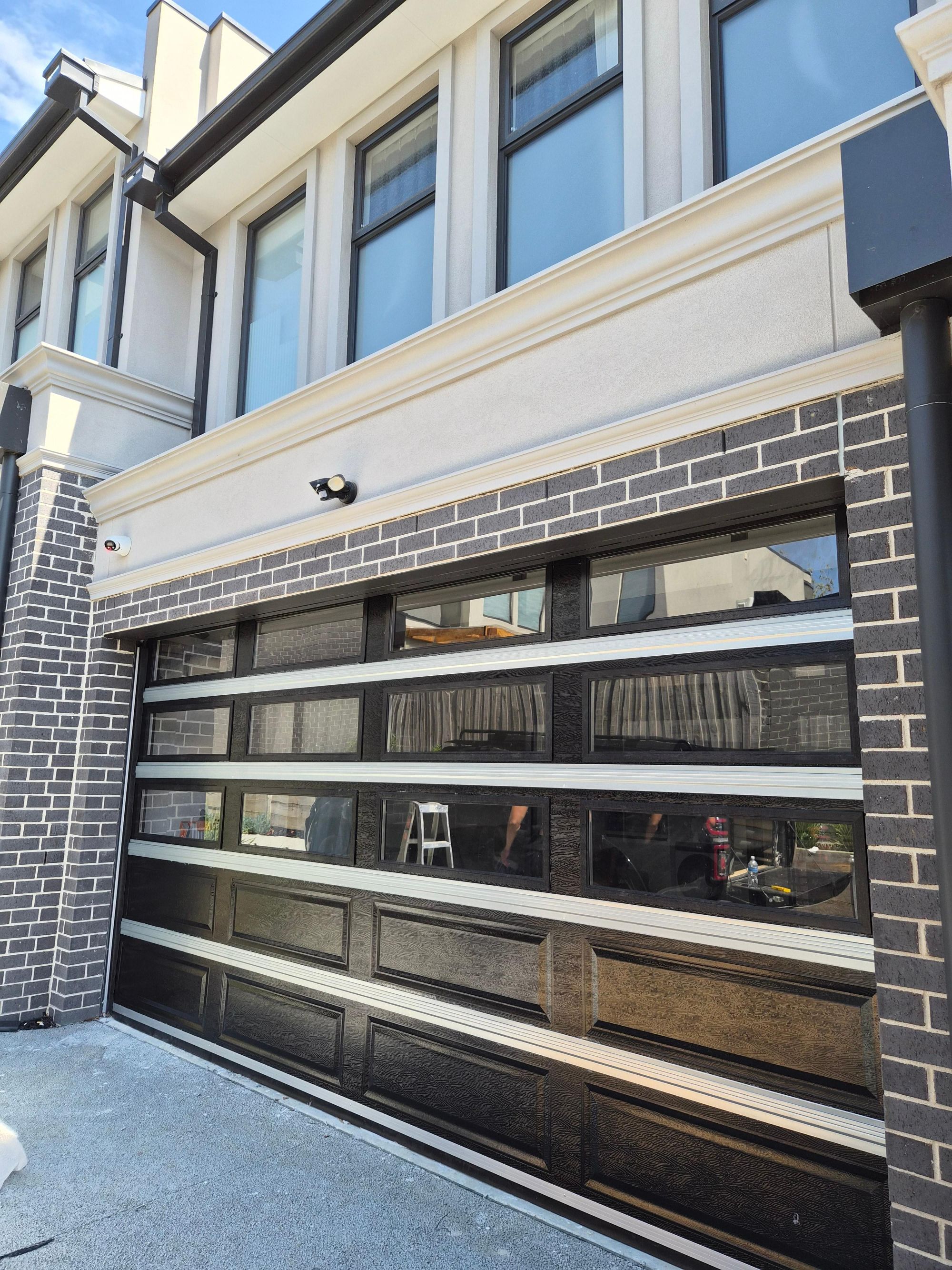
When dealing with openings that break from standard proportions—think arched doorways, corner windows, or irregularly shaped alcoves—rigid sizing formulas often fall short. A practical starting point is to treat the opening as a collection of simpler geometric sections, measuring each independently before synthesizing a cohesive plan. This method not only accommodates unusual contours but also highlights opportunities for custom joinery or layered framing that can turn a structural quirk into a deliberate design feature.
Proportional scaling offers another reliable route, especially for arched or tapered openings. Rather than fixating on exact dimensions, focus on maintaining visual balance: the width-to-height ratio, the depth of reveals, and the interplay with adjacent surfaces all influence how a space feels. In restoration or adaptive reuse projects, this approach often involves blending modern precision with the building’s original rhythm, ensuring new elements sit naturally within older, less predictable frameworks.
On the technical side, digital templating tools have made it far easier to capture complex shapes without guesswork. Laser measuring and 3D scanning produce accurate reference points that inform both off-site fabrication and on-site adjustments. Still, leaving room for final tweaking is wise—materials like wood and metal expand and contract, and site conditions rarely match paper plans perfectly. A savvy sizing strategy, then, balances upfront digital accuracy with a craftsman’s feel for the material, acknowledging that some of the best fits come from subtle, on-the-fly corrections.
Glass panel selection beyond standard clear
When most people think of glass panels, the default is a simple, transparent sheet. But limiting yourself to standard clear glass overlooks a world of functional and aesthetic possibilities. From ultra-clear low-iron options that eliminate the faint green tint to tinted bronze or grey glass that reduces glare and heat gain, the right selection can transform a space. Even the thickness and coating matter—a thicker panel adds sound insulation, while a low-E coating improves energy efficiency without compromising clarity.
Texture and pattern introduce another dimension. Acid-etched or sandblasted glass diffuses light beautifully, offering privacy without blocking illumination. For a bolder statement, consider reeded or fluted glass, which creates linear shadow play and a sense of depth. These aren’t just decorative; they can define zones in an open-plan layout while maintaining an airy feel. And if safety is a concern, laminated or tempered options provide durability and peace of mind, often without altering the visual appeal.
Ultimately, going beyond standard clear means matching the glass to the project’s intent. Think about light control, privacy needs, and the mood you want to set. A well-chosen glass panel doesn’t just fill an opening—it actively participates in the design narrative, whether by framing a view with near-invisible clarity or by becoming a sculptural feature in its own right.
Track and roller innovations for silent gliding
The evolution of track and roller systems has quietly revolutionized the way doors and drawers move through our living spaces. Instead of the familiar rattle and scrape, modern designs incorporate precision-engineered ball bearings and self-lubricating polymers that absorb vibration before it becomes noise. These materials work together to create a near-frictionless glide, where the only audible cue is a soft, satisfying hush.
Beyond the choice of materials, the geometry of the track itself plays a critical role in silence. Curved profiles that cradle the roller evenly distribute weight, preventing the chatter caused by slight misalignments in older straight-channel designs. Some systems now feature integrated dampening chambers—tiny air pockets within the track that compress on contact, turning potential clatter into a controlled, cushiony halt. It's a masterclass in micro-engineering, where every curve and cavity is calculated to keep the peace.
An often-overlooked innovation is the shift toward hybrid roller assemblies that combine rigid cores with pliable outer layers. This duality lets the roller glide freely yet grip the track enough to avoid the high-frequency hum that plagues all-metal contacts. Meanwhile, magnetic-assisted closing mechanisms ensure the final inch of travel happens in a near-silent, steady draw—no more slamming or abrupt stops. Together, these refinements define the new standard for movement that you feel more than you hear.
Weather sealing without compromising slim profiles
Achieving robust weather resistance in slim devices demands a rethinking of traditional sealing methods. Instead of relying on bulky gaskets that add thickness, engineers now use precision-molded elastomer lips and micro-scale interlocking channels that snap seamlessly into the chassis. These elements create a tight barrier against dust and moisture while occupying almost no additional space, preserving the sleek silhouette users expect.
Advanced adhesive bonding techniques also play a critical role. Hydrophobic nano-coatings are applied directly to internal components, forming a molecular shield that repels water without physical bulk. Paired with laser-welded seams that eliminate the need for overlapping materials, the entire enclosure remains slim and elegant. Every joint and port is reinforced with airtight membranes that flex under pressure, ensuring the seal holds even when the device is in motion or exposed to sudden temperature changes.
Such innovations don't just protect against the elements—they elevate the user experience. By integrating weather sealing into the design from the start, rather than adding it as an afterthought, manufacturers can maintain clean lines and lightweight builds. The result is gear that feels as refined indoors as it performs in harsh outdoor conditions, proving that durability and minimalism are not mutually exclusive.
Installation steps often overlooked by first-timers
Fresh off the excitement of a new gadget or software, it's easy to rush through setup and miss some of the less obvious steps that can make or break your experience. One common slip-up is forgetting to verify that your environment actually meets the minimum requirements—just because the box says “compatible” doesn't mean your specific setup won't stumble on something like a missing dependency or an outdated driver. Taking an extra five minutes to read the release notes or a quick-start guide can reveal prerequisites that aren't always shouted about in bold, like enabling a certain system setting or freeing up a seemingly unrelated port.
Another frequently skipped ritual is the post-install calibration or configuration tweaks that separate a working setup from an optimized one. It could be as simple as adjusting default permissions so the tool doesn't nag you for admin rights every time, or running that one optional script buried in the documentation that tailors the install to your operating system's quirks. New users often assume “out of the box” means perfectly tuned, but a few manual adjustments can head off confusion and error messages later, especially when the software is designed for a broad audience rather than your personal machine's particularities.
And then there's the silent step of creating a restore point or backing up your current configuration before hitting “install.” It sounds like a chore from a bygone era, but encountering a conflict that leaves your system unstable is far more painful than the minute it takes to run a quick snapshot. Similarly, resisting the urge to immediately fire up the application and instead checking for initial updates or patches can prevent bugs that were fixed after the installer was packaged. These habits aren't glamorous, but they form a protective net that veteran users reach for out of habit—nets that first-timers only notice when they've already fallen through.
FAQ
Stacking doors are a type of sliding door system where multiple panels stack neatly against each other when opened, rather than one panel sliding behind another. Unlike standard sliding doors that typically have a fixed panel and a sliding panel, stacking doors allow for wider openings because the panels concertina or slide in a way that clears almost the entire threshold. This gives you an unobstructed transition between indoor and outdoor spaces.
Stacking doors are a game-changer if you want to blend your interior with an outdoor area like a patio or garden. They create a seamless, expansive opening that lets in floods of natural light and fresh air. Beyond the aesthetic appeal, they can make a compact room feel larger and more connected to the outside, boosting your home's overall livability without sacrificing floor space.
First, check the quality of materials and the build precision—poorly made doors can warp or jam. Ask about the type of glass, frame durability, and weatherproofing. A reliable manufacturer will also offer customization options, clear warranty terms, and post-installation support. It’s worth looking at past projects or reviews to see how their products hold up over time in real-world conditions.
Traditional hinged doors swing out or inward, eating up valuable floor area that you could use for furniture or traffic flow. Stacking doors slide and fold compactly to the side, so they take up almost no room when fully opened. This design reclaims that lost space and gives you more flexibility in arranging your layout, especially in tight spots like narrow balconies or small living rooms.
Aluminum is a popular pick because it's strong, lightweight, and resistant to rust—ideal for large glass panels. Timber offers a classic warmth and natural insulation but needs regular upkeep. uPVC is a budget-friendly option with good thermal performance and low maintenance. For a modern industrial look, some people go for steel, but it's heavier and pricier. Your choice really comes down to your climate, desired aesthetic, and how much maintenance you're up for.
Yes, a solid, level foundation is non-negotiable to prevent alignment issues. The supporting beam above the doors must be able to handle the weight, especially with heavy glass panels. Professional fitters will also need to ensure the tracks are perfectly straight and sealed against moisture. If you’re installing in an existing wall, structural adjustments might be necessary, so it's smart to get a structural engineer involved early on.
Regular light cleaning of the tracks with a vacuum or soft brush prevents dirt buildup that can cause sticking. Apply a silicone-based lubricant to the rollers and track annually—avoid grease that attracts grit. Check the weather seals and hinges periodically for wear and tear, and tighten any loose screws. If you notice the door becoming harder to slide, address it immediately before it leads to more serious damage.
Conclusion
Choosing the right stacking door system begins with core decisions that impact durability and daily use. Material selection isn’t just about aesthetics—aluminum provides strength and slim profiles with minimal maintenance, while timber frames require a commitment to sealing and care but deliver undeniable character. When dealing with openings that break the mold, standard sizes fall short, so it pays to work with manufacturers who offer true custom fabrication, ensuring the doors integrate perfectly without awkward filler panels. Glass panels, too, deserve more thought than picking the default clear option; consider low-E or solar control coatings to manage heat gain, obscured or textured glass for privacy, and laminated choices for added security and noise reduction.
Hardware is where the daily experience comes alive—precision roller systems with ball-bearing carriers ensure each panel glides smoothly and silently, while top-hung designs eliminate floor tracks for a seamless transition. Weatherproofing can be unobtrusive; modern compression seals and brush strips nestle into narrow frame channels, blocking rain and wind without bulk. Lastly, don’t underestimate the installation phase. First-timers often skip verifying the head track is perfectly level or neglect to adjust roller heights after hanging, leading to sticking or sagging. A meticulous setup, following the manufacturer’s sequence, is what truly unlocks the door’s long-term potential.
Contact Us
Contact Person: Cyril He
Email: [email protected]
Tel/WhatsApp: 8613969697307
Website: https://cqyqgd.en.alibaba.com/