

Textile Machinery Wire Rolling Mills: Enhancing Production Efficiency
2026-03-08
In the fast-evolving world of textile machinery, wire rolling mills stand as a cornerstone of innovation and efficiency. These specialized systems transform raw materials into high-quality wires essential for textile applications, driving performance across the industry. With GRM at the forefront, manufacturers are discovering new ways to optimize these mills for peak productivity. This blog delves into how cutting-edge wire rolling technologies, championed by GRM, are revolutionizing production lines—unlocking faster outputs, reducing waste, and setting new industry benchmarks. Ready to explore the game-changing advancements reshaping textile manufacturing? Let’s dive in.
Optimizing Wire Rolling Processes for Maximum Output
To truly optimize wire rolling processes for maximum output, it's crucial to focus on both mechanical precision and operational efficiency. Start by ensuring your rolling mills are calibrated to exact tolerances, as even minor misalignments can lead to material waste and downtime. Regular maintenance schedules are non-negotiable; preventive checks on rolls and bearings can catch issues before they escalate into costly repairs. Additionally, implementing real-time monitoring systems allows operators to track performance metrics like speed and tension, enabling quick adjustments that keep production flowing smoothly without interruptions.
Another key aspect is streamlining the workflow through smart material handling and process integration. Consider automating feeder systems to reduce manual intervention, which minimizes human error and boosts throughput. By synchronizing rolling stages with upstream and downstream operations, such as annealing or coating, you create a seamless production line that eliminates bottlenecks. Training staff on best practices for setup and changeovers also pays dividends, as skilled teams can execute transitions faster, maximizing machine uptime and overall output.
Beyond equipment and processes, adopting data-driven strategies sets high-performing facilities apart. Analyze historical production data to identify patterns and optimize rolling parameters for different wire grades. For instance, adjusting reduction ratios or cooling methods based on material properties can enhance quality while speeding up cycles. Collaborating with suppliers to source consistent raw materials reduces variability, further stabilizing output. Ultimately, a holistic approach that blends technology, human expertise, and continuous improvement fosters a resilient operation capable of hitting peak productivity targets consistently.
Advanced Technologies in Modern Textile Machinery
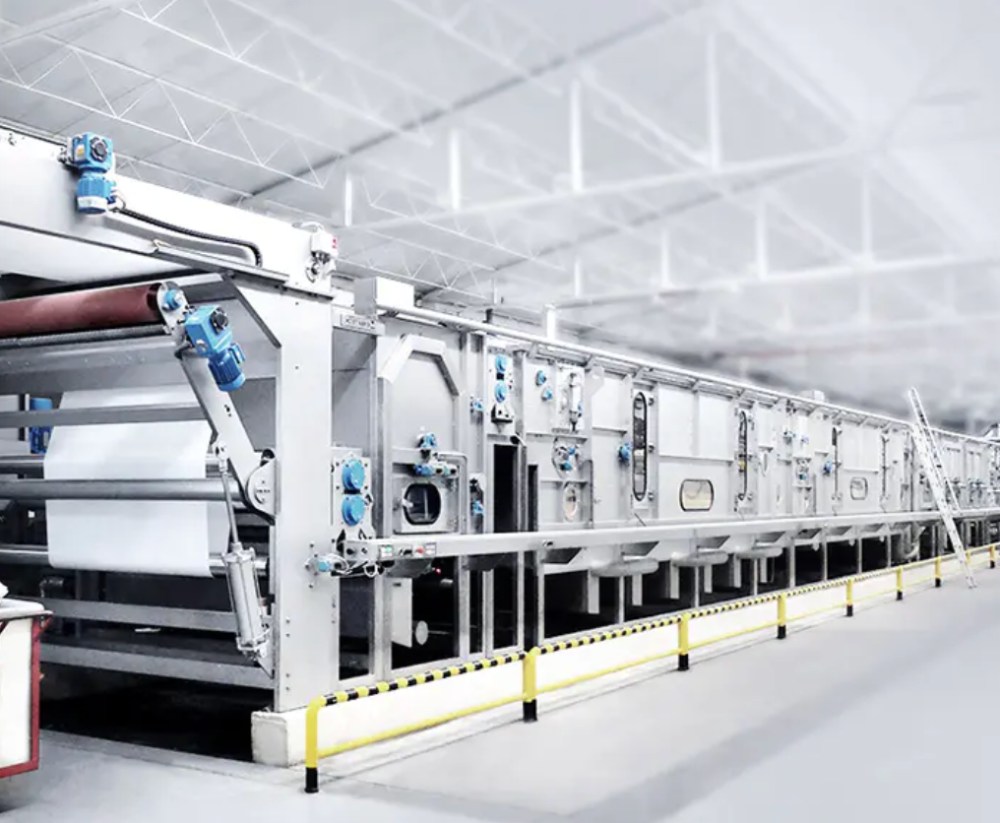
Modern textile machinery has witnessed a remarkable evolution, driven by a suite of advanced technologies that are redefining production landscapes. Innovations such as automation, robotics, and artificial intelligence (AI) are now integral to streamlining operations, enhancing precision, and reducing reliance on manual labor. Machines equipped with these capabilities can intricately weave, knit, or dye fabrics with unprecedented consistency, while real-time monitoring tools analyze data for proactive decision-making, ensuring that every thread aligns perfectly to meet stringent quality demands.
Beyond automation, sustainability-focused advancements stand out as a frontier in textile equipment development. Eco-friendly machinery incorporates energy-efficient systems, water recycling mechanisms, and the use of biodegradable materials to minimize environmental footprints. This not only addresses growing concerns over industrial impact but also supports compliance with global green standards, allowing manufacturers to produce textiles that appeal to eco-conscious markets without compromising performance.
Another transformative trend is the integration of smart technologies and the Internet of Things (IoT) into textile machinery. By embedding sensors and connectivity features, these machines enable predictive maintenance, reducing downtime and unexpected failures. Operators can remotely adjust settings based on real-time feedback, fostering adaptive production processes that respond swiftly to changes in fabric types or customer specifications, thereby enhancing overall operational agility.
Boosting Productivity with Precision-Engineered Mills
In today's competitive manufacturing landscape, precision-engineered mills have become a transformative force, enabling companies to significantly enhance operational efficiency. Unlike traditional milling equipment that often faces challenges with accuracy and downtime due to frequent maintenance, these advanced machines are designed to deliver consistent, high-quality results with minimal intervention. By incorporating state-of-the-art technologies like automated controls and real-time monitoring systems, they reduce human error and streamline production processes, leading to faster turnaround times and lower overall costs.
What sets precision-engineered mills apart is their ability to adapt to diverse materials and complex geometries, making them indispensable across various industries, from aerospace to medical device manufacturing. Their robust construction and custom-tailored components ensure longevity and reliability, minimizing disruptions that can hamper productivity. This adaptability not only boosts output but also allows businesses to take on more intricate projects with confidence, fostering innovation and driving growth in demanding sectors.
Ultimately, investing in precision-engineered mills can lead to a substantial return on investment by elevating product quality and reducing waste, while empowering teams to focus on strategic initiatives rather than routine troubleshooting. As industries evolve, these mills offer a sustainable path forward, transforming how operations are managed and setting new benchmarks for productivity in the global market.
Streamlining Operations Through Innovative Wire Systems
In today's competitive landscape, businesses are constantly seeking ways to enhance efficiency and reduce operational bottlenecks. Innovative wire systems, such as advanced cable management solutions and smart wiring infrastructure, play a crucial role in this transformation. By integrating these systems, companies can streamline their processes, minimizing downtime and improving overall workflow. For instance, automated wire routing and real-time monitoring capabilities allow for quicker issue resolution, leading to smoother day-to-day operations and a more agile response to changing demands.
Beyond mere functionality, these wire systems offer a blend of durability and flexibility that adapts to diverse environments, from industrial settings to modern offices. Customizable configurations enable organizations to tailor setups to their specific needs, ensuring that resources are allocated efficiently without unnecessary waste. This not only boosts productivity but also contributes to cost savings in the long run, as streamlined operations reduce the need for frequent maintenance and replacements, fostering a more sustainable approach to business management.
Adopting such innovations can set a company apart by creating a seamless operational framework that supports growth and innovation. By leveraging cutting-edge wire technology, businesses can future-proof their infrastructure, staying ahead of industry trends and enhancing their competitive edge. This strategic investment ultimately translates into improved performance metrics and a stronger market position, proving that small changes in foundational systems can yield significant overall impact.
Enhancing Fabric Quality with State-of-the-Art Equipment
The adoption of cutting-edge machinery isn't just about speeding up production—it fundamentally elevates the tactile and visual appeal of textiles. Picture a loom that fine-tunes thread tension in real-time, or a finishing machine that applies gentle, consistent heat to enhance fabric drape. By leveraging such advanced tools, manufacturers achieve a level of precision that minimizes inconsistencies, leading to fabrics that feel exceptionally smooth and durable against the skin.
Beyond basic processing, state-of-the-art equipment unlocks creative possibilities that traditional methods can't match. For instance, laser-cutting systems allow for intricate patterns without fraying edges, while digital printing technology reproduces vivid colors with remarkable accuracy. This not only boosts aesthetic quality but also supports sustainable practices by reducing waste and chemical usage, ultimately delivering a superior product that stands out in a crowded market.
In an industry where subtle differences matter, investing in modern equipment can transform how fabrics perform over time. Innovations like smart sensors that monitor yarn quality or automated systems that ensure uniform dye absorption contribute to fabrics that retain their shape, color, and texture through countless washes. This focus on longevity and reliability helps brands build trust with consumers, making high-end textiles accessible without sacrificing craftsmanship.
Key Strategies for Efficient Textile Wire Management
When dealing with textile wire setups, it's easy to get tangled up in a web of cords and connections that slow down your workflow or even cause costly damage. One of the most effective ways to stay ahead is to implement a clear labeling system from the get-go. By tagging each wire with its specific purpose and destination, you'll cut down on confusion during maintenance or troubleshooting, saving both time and frustration.
Another game-changer is adopting modular cable management solutions that can adapt as your needs evolve. Instead of rigid, fixed routes, consider using flexible conduits or adjustable clips that allow for easy reconfiguration without a complete overhaul. This approach not only keeps things tidy but also makes it simpler to upgrade or replace equipment without disrupting the entire setup.
Lastly, don't overlook the power of regular inspections and proactive maintenance. Scheduling routine checks to identify wear, loose connections, or potential hazards can prevent unexpected downtime and extend the lifespan of your textile machinery. Combining these strategies creates a streamlined environment where efficiency isn't just a goal—it's a sustainable practice.
FAQ
Textile machinery wire rolling mills are specialized equipment used in the textile industry to process metal wires, such as those for needles or looms, by shaping and refining them through rolling techniques, enhancing their durability and precision for textile applications.
Wire rolling mills boost production efficiency by automating the wire processing, reducing manual labor, minimizing material waste, and ensuring consistent quality, which speeds up overall manufacturing timelines and cuts operational costs.
Modern mills incorporate technologies like computerized numerical control (CNC), real-time monitoring systems, and advanced lubrication methods to optimize rolling precision, reduce downtime, and adapt to various wire specifications seamlessly.
Yes, these mills are versatile and can process various materials, including stainless steel, carbon steel, and alloys, tailored to specific textile needs such as corrosion resistance or flexibility for different machinery parts.
Common challenges include maintaining consistent wire thickness and preventing wear on rollers. Solutions involve regular maintenance schedules, using durable roller materials, and implementing quality control checks during production.
By producing uniform and high-quality wires, these mills ensure that textile machinery components, like needles or gears, function reliably, leading to smoother operations and better-finished textile goods with fewer defects.
Emerging trends include the adoption of IoT for predictive maintenance, energy-efficient designs to reduce environmental impact, and customization options to meet niche textile market demands, driving innovation in production processes.
Conclusion
The enhancement of production efficiency in textile machinery wire rolling mills hinges significantly on optimizing wire rolling processes for maximum output. By implementing key strategies for efficient textile wire management, manufacturers can streamline operations through innovative wire systems, ensuring smoother workflows and reduced downtime. Precision-engineered mills play a crucial role in boosting productivity, as they allow for tighter control over wire dimensions and consistency, which directly impacts fabric quality. This optimization is not just about speed but also about maintaining high standards through state-of-the-art equipment, leading to more reliable and durable textile products.
Advanced technologies in modern textile machinery further drive efficiency by integrating automation and data analytics into wire rolling systems. These innovations enable real-time monitoring and adjustments, enhancing fabric quality with state-of-the-art equipment that minimizes defects and waste. By leveraging these tools, mills can adapt quickly to changing demands, making operations more resilient and cost-effective. Ultimately, combining these elements—optimized processes, strategic management, and cutting-edge technology—creates a holistic approach to improving production efficiency in wire rolling mills, setting a benchmark for sustainability and competitiveness in the textile industry.
Contact Us
Contact Person: Rayna
Email: [email protected]
Tel/WhatsApp: 86 -173 1474 6343
Website: https://www.grmrollingmill.com/