Top 10 Sandwich Panel Options for Modern Construction Projects
2026-11-16
Choosing the right sandwich panel can make or break a modern construction project—yet most builders still settle for the same tired options. From thermal performance to fire resistance, the devil is in the details. This guide breaks down the top 10 sandwich panel choices that actually deliver on site, with insights from LANYUN to help you avoid costly mistakes. Ready to see which panels are worth your spec sheet?
EPS Cores Still Win When Budgets Demand Every Dollar Count
The appeal of EPS cores isn't about chasing benchmark crowns; it's about staying within a spend ceiling while still getting real work done. When a build or deployment has a hard cost cap, dropping in a cluster of these cores can free up budget for storage, memory, or cooling—components that often get squeezed when the CPU line item balloons.
That doesn't mean accepting sluggish response. Modern EPS cores handle everyday server tasks, lightweight virtualization, and edge workloads well enough that the difference only becomes visible under sustained heavy load. For a small office file server, a retail point-of-sale backend, or a monitoring appliance, they deliver the stability needed without paying for headroom nobody uses.
The real advantage shows up over the full lifecycle. Lower upfront cost, lower power draw, and less heat to manage add up across three to five years. If your workload doesn't need top-tier single-thread speed, EPS cores let every dollar go toward the components that actually move the needle for your use case.
Polyurethane Panels Bring Serious Thermal Muscle to Thin Walls
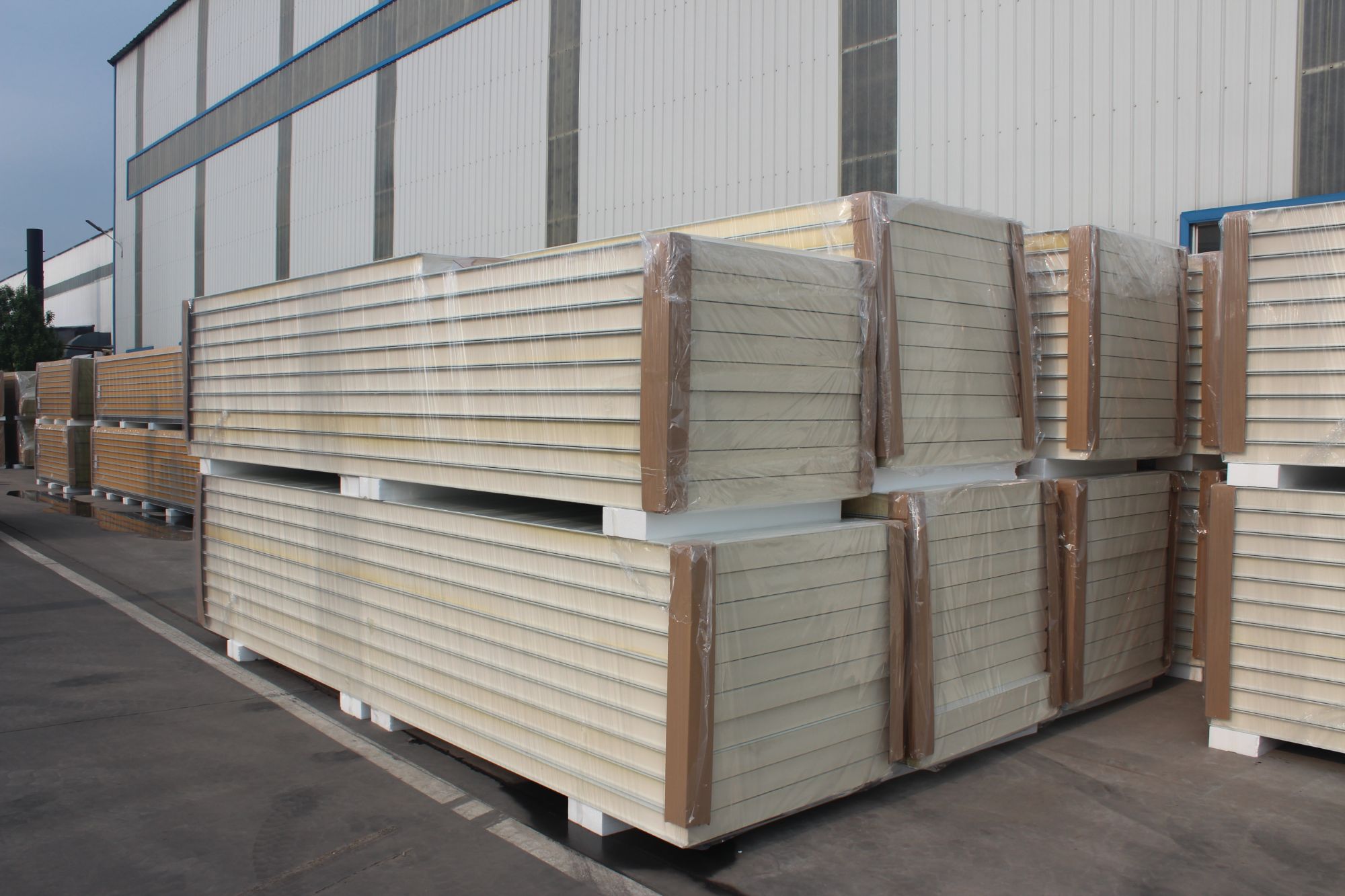
A two-inch polyurethane panel can match the thermal resistance of four inches of fiberglass batt, which changes the math for thin-wall assemblies. The closed-cell structure traps low-conductivity gas and resists moisture far better than fluffy insulation, so you get consistent R-value without the sagging or air gaps that quietly drain performance.
That thermal muscle shows up where wall cavities are tight—retrofit projects, modular builds, or any design that can't afford to lose interior floor area to thicker framing. Instead of furring out walls or switching to expensive structural insulated panels, builders can keep the original framing depth and still hit strict energy code targets.
The panels also act as an air and vapor barrier when joints are sealed, cutting thermal bridging at studs and plates. The result is a wall that feels solid and warm to the touch, even on cold mornings, without the bulk that usually comes with high-performance insulation.
Mineral Wool Cores Are the Go-To When Fire Ratings Can't Slip
When a project demands a fire rating that cannot waver, mineral wool cores step into the spotlight for reasons that go far beyond basic compliance. Unlike foam-based alternatives, mineral wool is inherently non-combustible, composed of spun rock or slag fibers that refuse to ignite or contribute fuel to a blaze. This isn't about meeting a bare minimum on a test chart; it's about providing a stable, predictable barrier when every minute of resistance counts. Architects and specifiers turn to mineral wool cores because they know the material won't soften, melt, or produce toxic smoke under extreme heat, keeping the fire rating intact from the drawing board to a real emergency.
What sets mineral wool apart in high-stakes assemblies is its stubborn dimensional stability when temperatures climb. While many core materials degrade or shrink away from panel edges, mineral wool holds its form, preserving the integrity of the entire system. This reliability matters in applications like curtain walls, soffits, and interior partitions where a compromised core can create a path for fire to travel unnoticed. Contractors don't have to worry about on-site field adjustments undermining the rated assembly because the core itself is the steadfast element, not a weak link that depends on perfect installation. That peace of mind is why mineral wool shows up again and again in specs where failure isn't an option.
Beyond the immediate fire performance, mineral wool cores bring a practical advantage that often gets overlooked: they don't rely on chemical flame retardants that can lose effectiveness over time. The fire resistance isn't a coating or an additive that might leach out or degrade; it's baked into the very nature of the fibers. This inherent quality means the fire rating doesn't slip five or ten years down the road, even if the panel gets wet, exposed to UV during construction, or subjected to rough handling. For owners and insurers, that durability translates into lower risk and fewer unpleasant surprises when a building actually faces a fire event.
PIR Panels Earn Their Keep in Cold Rooms and Damp Climates
In a -25°C cold room, the last thing you want is insulation that breathes. PIR panels don't. Their closed-cell foam core locks thermal performance in place, so walls stay dry and compressors get a break.
Coastal humidity has a way of finding weak spots in building envelopes. PIR panels resist that creep. The closed-cell core doesn't wick moisture, and the facings shed condensation before it can turn into mold or rust.
The real payoff shows up years later. PIR panels in cold rooms and damp climates rarely need replacement or resealing. Temperature swings from -30°C to 30°C won't warp the boards, and the joints stay tight enough to keep thermal bridges from forming.
Aluminum Facings Hold Up Where Salt Spray Eats Lesser Metals
Salt spray doesn't just dull a facade—it works its way into micro-scratches and edge gaps, lifting coatings and starting rust blooms that spread beneath the surface. Aluminum responds differently. When exposed to airborne chlorides, it quickly forms a dense, transparent oxide layer that clings to the metal instead of flaking away. That layer stops further oxidation, so the facing retains its profile and finish even after years of direct coastal exposure.
Lesser metals rely on barriers that can fail. Galvanized steel, for instance, sacrifices its zinc coating slowly, but once that layer thins at cut edges or fastener holes, the base steel is exposed and red rust follows. Painted carbon steel suffers the same fate: a single scratch becomes a corrosion cell. Aluminum's protection isn't a thin sacrificial skin—it's the metal's own stable reaction to oxygen, which re-forms almost instantly if the surface is abraded.
Facades on waterfront buildings, salt-storage structures, and coastal industrial plants see this difference most clearly. Aluminum panels keep their lines and color consistency without the constant touch-up and replacement cycles that cheaper metals demand. For designers and owners, the material choice removes a long-term maintenance variable, even where salt fog is part of the daily weather.
Prefinished Steel Gives Architects Clean Lines on Tight Deadlines
When a project timeline tightens, the last thing any architect wants is a material that demands extra steps on site. Prefinished steel arrives ready to install, with its coating already applied under controlled factory conditions. There is no waiting for paint to dry, no weather delays from field coating, and no surprise color mismatch between batches. The result is a smoother sequence from delivery to enclosure, letting the design team hold the line on both schedule and detailing.
Beyond speed, this material supports the crisp geometry that contemporary facades often rely on. Because the finish is factory-applied, edges stay sharp and surfaces remain uniform, free from the brush marks or overspray that can soften a profile. Architects can specify long, uninterrupted panels with confidence, knowing the visible face will read as a single clean plane. Corner details, reveals, and shadow lines stay crisp without extra labor or touch-ups.
The practical advantage shows up most clearly in phased projects or tight urban sites. Prefinished steel cuts down on staging areas, reduces onsite waste, and keeps noisy finishing work off the critical path. Teams can enclose quickly, then move interior trades in sooner. For architects balancing a demanding aesthetic with an unforgiving calendar, the material becomes less a compromise and more a quiet way to keep the design intent intact from drawing to built form.
FAQ
Polyurethane, polyisocyanurate, mineral wool, and expanded polystyrene dominate the field. Polyurethane and PIR offer strong thermal performance per inch, while mineral wool stands out for fire resistance and acoustic dampening. EPS remains a budget-friendly option where insulation demands are moderate.
The bonded core acts as a continuous shear web, letting the metal skins carry tension and compression efficiently. This composite action allows clear spans up to roughly 12 metres depending on panel thickness and loading. For most industrial and commercial roofs, that means fewer purlins and faster erection.
Yes, especially panels with PIR or polyurethane cores and food-grade interior skins. Their low thermal conductivity keeps cooling loads low, and the smooth surfaces resist microbial growth and simplify washdowns. Many manufacturers offer cam-lock joints that reduce thermal bridging at seams, which matters in sub-zero environments.
Focus on the exterior metal coating, joint gaskets, and core moisture resistance. Panels with PVDF or high-build polyester finishes hold up better against salt spray. For joints, look for dual-seal systems that keep wind-driven rain out, and avoid open-cell cores that can wick water if the outer skin is damaged.
Mineral wool panels typically reach A2-s1,d0 fire classification and maintain integrity far longer than PIR. PIR delivers better insulation per thickness but is usually limited to B-s1,d0 or lower depending on facings. In high-risk buildings, mineral wool often wins despite slightly higher cost and weight.
Some systems now use recycled steel facings and cores made from bio-based or recovered materials. Disassembly-friendly joint designs let panels be reclaimed at end of life, and mineral wool cores can be remelted. The biggest environmental gain still comes from reducing operational energy, but circular options are improving.
PVDF (polyvinylidene fluoride) coatings generally outlast standard polyester by years. Look for three- or four-coat systems with ceramic pigments; these keep colours stable under intense UV. Some producers also offer textured or embossed profiles that hide minor surface wear and reduce visible gloss changes.
Lead times run anywhere from three to eight weeks depending on core type and custom lengths. Installation itself is fairly straightforward for crews experienced with concealed fasteners and joint sealing, but corners and penetrations demand careful detailing. A first-time crew should expect a few days of slower progress before hitting normal productivity.
Conclusion
When budgets are tight enough to make every dollar count, EPS-core sandwich panels remain the quiet workhorse on modern job sites. They don't chase headline thermal numbers, but they deliver dependable insulation at a price that keeps project accountants breathing easy. For walls that need serious thermal muscle without eating up floor space, polyurethane panels step in with their dense, high-R-value cores, letting designers keep profiles slim while still meeting energy codes. Then there are the fire-rated assemblies where compromise isn't an option: mineral wool cores take over, giving builders a non-combustible option that holds the line on safety without piling on weight.
In cold storage and coastal humidity, PIR panels earn their place by shrugging off moisture and maintaining performance where lesser foams fade. When salt spray and harsh weather start eating away at building skins, aluminum-faced panels prove their worth, resisting corrosion long after standard metals would surrender. And for architects racing against a deadline, prefinished steel facings deliver crisp, clean lines straight off the truck, cutting site finishing time dramatically. Together, these six workhorses anchor a broader top-ten lineup that also includes options like stainless steel, fiberglass-reinforced plastic, and cement-board facings for specialized needs. The key is matching the panel's core and skin to the specific stresses of the project, not just picking a familiar name from a catalog.
Contact Us
Contact Person: Nia
Email: [email protected]
Tel/WhatsApp: +86 18954360337
Website: https://www.sdppgi.com