

Top 10 Strength Equipment: Must-Have Gear for an Effective Home Gym Setup
2026-04-12
Are you tired of crowded gyms and expensive memberships? Building a home gym is a game-changer, but knowing which equipment is essential can be overwhelming. That's where we come in! In this guide, we'll unveil the top 10 strength equipment you need for an effective home gym setup, drawing on insights from experts at Yingruis. Whether you're a fitness newbie or a seasoned pro, these must-have pieces will help you crush your goals without leaving home. Get ready to discover gear that's not only functional but also durable and stylish—let's transform your space into a powerhouse of progress! By the way, Yingruis offers premium fitness solutions designed to elevate your workout experience. Stick around as we dive into each piece of equipment, sharing tips on how to maximize their use and why they made our list. Your journey to a stronger, fitter you starts here!
Power Racks & Squat Stands: Core for Full-Body Strength Training
Power racks and squat stands serve as the fundamental backbone of any serious home or commercial gym setup, providing unparalleled safety and versatility for strength enthusiasts.
While both pieces of equipment excel at supporting heavy barbell exercises like squats and presses, a power rack offers enclosed safety bars and pull-up attachments, making it ideal for solo lifters seeking peace of mind during intense sessions.
In contrast, squat stands deliver a minimalist, space-saving design perfect for smaller areas, yet they still accommodate key movements that build lower body and core strength through dynamic loading.
Adjustable Dumbbells: Space-Saving Versatility for Strength Gains
Think about those clunky iron dumbbells sprawled across your floor. Now picture a sleek set that condenses dozens of weights into a single, compact unit. That's the magic of adjustable dumbbells—they liberate valuable square footage while offering a full spectrum of resistance. Whether you're short on space or simply tired of tripping over equipment, these clever tools let you switch from a light shoulder press to a heavy deadlift in seconds. It's like having an entire weight rack tucked away in a corner, making every workout more efficient and your home gym far less chaotic.
Versatility isn't just a buzzword here; it's the core benefit. With adjustable dumbbells, you're not limited to a few fixed weights. Instead, you can fine-tune your resistance to match your strength curve, whether you're a beginner easing into fitness or an athlete pushing for new personal records. This adaptability encourages consistent progress, as you can incrementally increase the load without buying new gear. Imagine seamlessly transitioning from bicep curls to lunges to chest presses, all with the same set—your routine stays fresh, challenging, and utterly personalized.
Strength gains become more achievable when your equipment works with you, not against you. By eliminating the hassle of swapping multiple dumbbells, adjustable sets keep your focus on form and intensity, reducing rest time between sets. This streamlined approach can boost workout density, potentially accelerating muscle growth and endurance. Plus, the convenience factor means you're more likely to stick with your regimen, turning sporadic sessions into a solid habit. In the end, it's not just about saving space—it's about crafting a smarter, more effective path to building strength, one adjustable click at a time.
Barbell Sets & Weight Plates: Essential for Progressive Overload
Stepping into the gym, nothing quite matches the clink of weight plates as you load up a barbell. It's more than just a sound; it's the foundation of strength. Barbell sets, with their sturdy construction, let you tackle everything from squats to deadlifts, while weight plates let you dial in the exact resistance you need. This combo isn't just about lifting heavy—it's about consistency and building a routine that pushes you forward bit by bit.
What makes this setup so powerful? It's the freedom to add or remove plates as your strength evolves. You could start with just the bar and a couple of small plates, then slowly tack on more over weeks or months. This gradual increase—called progressive overload—ensures your muscles keep adapting instead of plateauing. No fancy gadgets required; just you, the weight, and the drive to improve a little each session.
Compared to machines that lock you into a single movement, barbells and plates offer versatility. You can tweak your grip, stance, or rep scheme on the fly, making workouts feel fresh and challenging. Over time, that adaptability builds not only muscle but also coordination and confidence. It's a timeless approach that turns effort into tangible progress, one plate at a time.
Pull-Up Bars & Lat Pulldown Stations: Upper Body Mastery
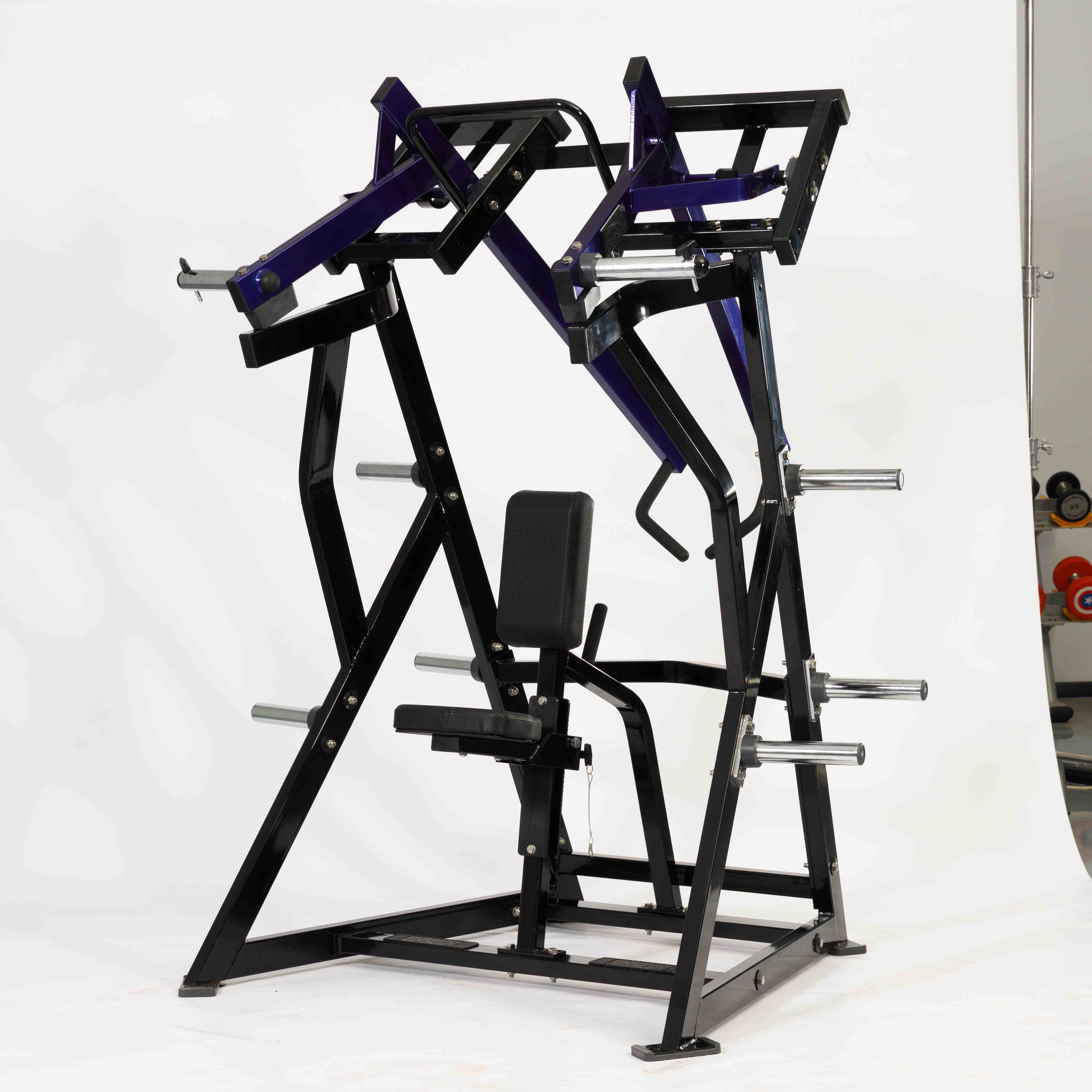
Pull-up bars and lat pulldown stations are cornerstone pieces for anyone serious about building upper body strength. While pull-ups target your back, shoulders, and arms with raw bodyweight resistance, lat pulldowns offer a controlled alternative, allowing you to adjust weight and focus on form. Together, they create a versatile toolkit for developing that coveted V-taper and improving overall functional fitness.
Many fitness enthusiasts overlook the subtle variations these tools enable. For instance, changing your grip width on a pull-up bar shifts emphasis from lats to biceps or chest, while lat pulldown stations let you experiment with different handles for targeted muscle engagement. It's not just about pulling weight; it's about mastering movement patterns that translate to better posture and everyday ease.
Integrating both into your routine can break plateaus and add excitement. Start with lat pulldowns to warm up and build confidence, then challenge yourself with pull-ups for maximum intensity. This combination ensures balanced development, reducing injury risk and keeping workouts fresh—no two sessions need to feel the same when you leverage these tools creatively.
Kettlebells & Medicine Balls: Unconventional Strength Tools
If you've ever wandered into a gym and spotted those cannonball-shaped weights with handles or dense leather spheres lying around, you might have wondered what makes them so special. Kettlebells and medicine balls are often the unsung heroes of strength training, offering a dynamic approach that challenges the body in ways traditional barbells and dumbbells sometimes miss. These tools date back centuries, with origins in Russian strongman culture and early medical rehabilitation, but they've gained a modern resurgence for their versatility and functional benefits.
Unlike static equipment that isolates muscles, kettlebells and medicine balls engage multiple muscle groups simultaneously through movements like swings, cleans, and throws. This not only builds raw power but also enhances coordination, balance, and core stability. For instance, a kettlebell swing targets the posterior chain—your glutes, hamstrings, and back—while a medicine ball slam can improve explosive strength and cardiovascular endurance. It's this holistic workout that makes them invaluable for athletes, fitness enthusiasts, and anyone looking to spice up their routine.
Integrating these tools into your regimen can transform mundane workouts into engaging sessions. Start with a light kettlebell for basic swings or goblet squats to master form, then progress to heavier loads for more complex lifts. Medicine balls are perfect for partner drills or solo exercises like wall balls and rotational throws, adding an element of fun and unpredictability. Remember, consistency and proper technique are key; with regular use, you'll notice improvements in strength, agility, and overall fitness, turning these unconventional tools into your go-to for a well-rounded physique.
Resistance Bands & Benches: Functional Strength Builders
Resistance bands and benches might seem like simple tools, but together, they unlock a world of functional strength training. Think about how you move in daily life—lifting groceries, pushing a door open, or climbing stairs. These actions often involve resistance in various directions and angles, which is exactly what resistance bands excel at simulating. They provide variable tension, meaning the more you stretch them, the harder they work, mimicking the natural progression of real-world forces. Benches, on the other hand, offer a stable platform for exercises like presses and rows, allowing you to focus on proper form and muscle engagement without wobbling. This combination helps build strength that's not just about raw power, but about stability, flexibility, and control—key components for preventing injuries and improving overall mobility.
What sets these tools apart is their versatility and accessibility. Unlike bulky gym equipment that often isolates muscles, resistance bands and benches encourage compound movements that engage multiple muscle groups simultaneously. For instance, a seated row using a band anchored to a bench works your back, shoulders, and arms in one fluid motion, closely resembling tasks like pulling something heavy towards you. This functional approach means you're not just training for the sake of it; you're preparing your body for the demands of everyday activities. Plus, they're lightweight and portable, making it easy to set up a full-body workout anywhere—from your home office to a hotel room—without the need for expensive machines or a ton of space.
To truly maximize their potential, it's all about creativity and progression. Start with lighter bands and basic bench exercises, then gradually increase resistance or add variations like inclined presses or resistance-assisted lunges. This keeps your muscles guessing and adapts as your strength grows, ensuring continuous improvement. Many trainers recommend keeping sessions fresh by mixing in dynamic stretches or balance challenges, all supported by the bench's stability. In a world flooded with high-tech fitness gadgets, sometimes the simplest tools like resistance bands and benches can deliver the most effective, results-driven workouts that translate directly to better health and performance in your daily life.
FAQ
For a well-rounded home gym setup, key strength equipment includes a power rack, barbell and weight plates, adjustable dumbbells, a weight bench, resistance bands, and a pull-up bar, as these offer versatility and cover major muscle groups.
A power rack is crucial because it provides safety for heavy lifting exercises like squats and bench presses, offers attachment points for pull-ups or dips, and can be used for various strength movements, maximizing space and functionality.
Adjustable dumbbells save space and cost by allowing multiple weight options in one compact unit, making them ideal for small home gyms while still enabling a full range of exercises like curls, presses, and rows without cluttering the area.
Resistance bands are lightweight, portable, and affordable, offering variable resistance for exercises like banded squats or rows. They add versatility for warm-ups, assistance work, or travel, complementing heavier gear for balanced training.
A weight bench supports exercises such as bench presses, dumbbell rows, and step-ups, providing stability and proper form. An adjustable bench, in particular, allows for incline or decline variations, targeting different muscle angles for comprehensive workouts.
A pull-up bar enables upper body exercises like pull-ups and chin-ups, which are effective for building back, arm, and core strength. It's a space-efficient tool that can be mounted on walls or doors, adding functional training without requiring much room.
Barbells and weight plates form the foundation for compound lifts like deadlifts, squats, and presses, allowing progressive overload for muscle growth. They are versatile and durable, making them essential for serious strength training programs at home.
Conclusion
Creating an effective home gym requires selecting the right strength equipment to maximize space and versatility while ensuring comprehensive full-body workouts. Key essentials highlighted in the 'Top 10 Strength Equipment' list start with power racks and squat stands, forming the core for safe, heavy lifts like squats and bench presses, crucial for building foundational strength. Complementing these are adjustable dumbbells and barbell sets with weight plates, offering space-saving solutions and enabling progressive overload through varied resistance, essential for consistent muscle growth. These tools cover fundamental compound movements, making them indispensable for any serious strength training setup.
To round out a well-equipped home gym, additional gear enhances upper body and functional training. Pull-up bars and lat pulldown stations target back and arm muscles for upper body mastery, while kettlebells and medicine balls introduce dynamic, unconventional exercises that improve power and coordination. Resistance bands and benches add versatility, supporting functional strength building through assisted or resistance-assisted movements. Together, this equipment ensures a balanced approach, allowing users to tackle everything from basic lifts to advanced routines, fostering a holistic strength regimen that adapts to evolving fitness goals without compromising on quality or effectiveness.
Contact Us
Contact Person: Owen Wu
Email: [email protected]
Tel/WhatsApp: 86-15376736259
Website: https://www.yingruisfit.com/