

Top Food Grade Adsorbent Silica: The Ultimate Guide to Benefits and Safe Usage
2026-05-19
In the world of food processing and storage, maintaining quality and safety is a constant challenge. Moisture, caking, and spoilage can compromise products, but there's a remarkably effective solution often overlooked: food grade adsorbent silica. As an inert, high-purity material, it quietly safeguards everything from powdered ingredients to dietary supplements. But what makes it so indispensable? And how can you use it safely without falling for common misconceptions? In this guide, we’ll explore the science-backed benefits, regulatory insights, and practical tips, with expert perspectives from Zhonglian, a trusted leader in advanced silica technology. Whether you're a manufacturer or simply curious about what goes into your food, prepare to see this humble desiccant in a whole new light.
What Makes Food Grade Silica a Standout Adsorbent
Food grade silica earns its reputation through a rare combination of purity and precision. Unlike many industrial adsorbents that may carry trace contaminants, this material meets strict regulatory standards, making it safe enough to interact directly with food and pharmaceutical ingredients. Its surface is engineered at the microscopic level to trap moisture, control humidity, and prevent clumping without altering the taste, color, or nutritional profile of the product it protects. This harmlessness, paired with a highly tunable pore structure, allows it to function effectively across a wide range of formulations, from powdered supplements to sensitive dried foods.
Another key advantage lies in its remarkable capacity relative to particle size. Even at very low inclusion rates, food grade silica can adsorb significant volumes of water vapor or volatile compounds, which helps extend shelf life and maintain free-flowing consistency. Its amorphous nature further sets it apart: rather than forming hard, gritty agglomerates, it disperses easily and delivers consistent performance batch after batch. Manufacturers value this reliability because it translates into fewer formulation adjustments and a more predictable production process, saving both time and resources in the long run.
Finally, the versatility of food grade silica pushes it beyond simple moisture control. It acts as a carrier for liquid flavors, essential oils, and active ingredients, transforming sticky or oily substances into easy-to-handle powders. This dual function—adsorbing excess moisture while carrying valuable additives—gives product developers an elegant tool to simplify complex formulations. The result is a cleaner label, fewer auxiliary agents, and a final product that stands up to the rigors of storage and handling without compromising on quality or consumer appeal.
Unpacking the Real Benefits for Food Preservation
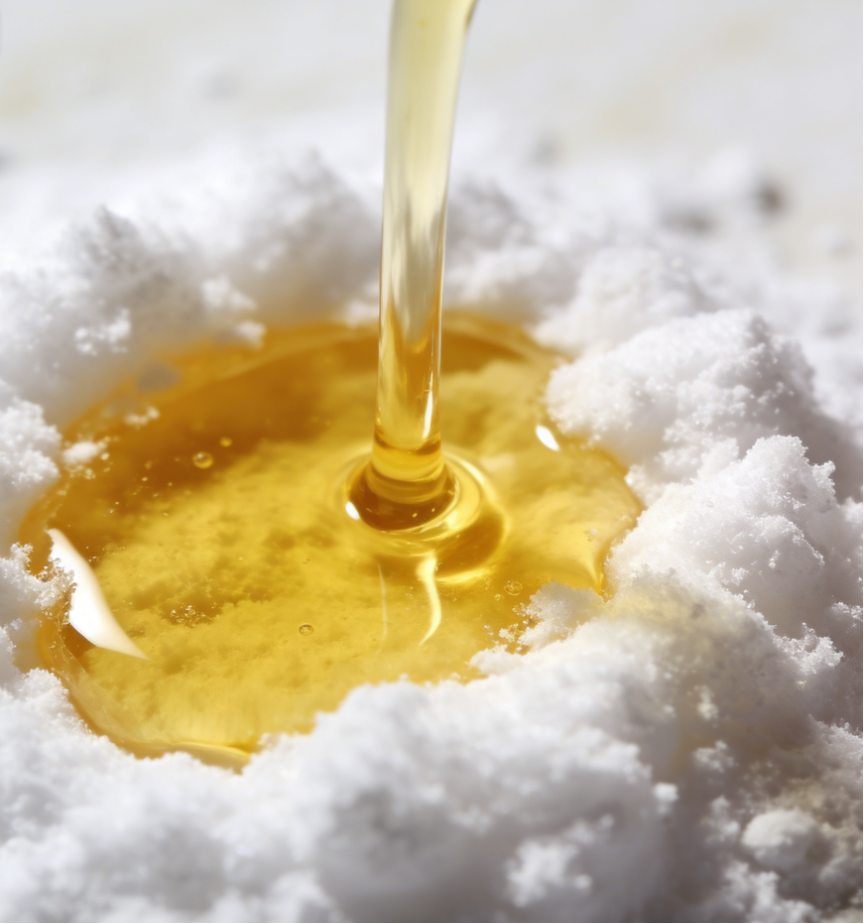
When you strip away the marketing hype, food preservation is fundamentally about maintaining quality and safety over time. It’s not just about extending shelf life—it’s about retaining the nutritional integrity, flavor, and texture of what we eat. Traditional methods like freezing, drying, and canning have clear strengths, but they also alter food in subtle ways. Modern innovations aim to minimize these changes, preserving not just the food itself but the experience of eating it fresh.
A deeper look reveals that preservation techniques directly influence our daily lives by reducing waste and enabling access to seasonal produce year-round. For households, this means fewer trips to the store and less spoilage. On a larger scale, efficient preservation supports food supply chains, lowering costs and environmental impact. The real benefit lies in the balance between convenience and maintaining authentic taste—something that overly processed options often sacrifice.
Ultimately, understanding these benefits helps us make smarter choices. Whether it’s choosing vacuum-sealed packaging over generic plastic wrap or opting for flash-freezing over slow freezing, the details matter. It’s about picking methods that align with how we actually cook and eat, ensuring that preserved foods remain not just safe but enjoyable. After all, the goal isn’t to stockpile—it’s to sustain quality in every bite.
How Silica Keeps Your Food Safe Without Compromise
Silica, or silicon dioxide, is a naturally occurring mineral that plays a quiet but critical role in keeping many dry foods free-flowing and safe for consumption. Found in everything from salt and spices to protein powders and instant coffee, a tiny amount of this powder coats each particle, creating a microscopic barrier that blocks moisture absorption. This prevents clumping without altering taste, smell, or nutritional value, so your favorite pantry staples stay just as usable on day one as they do months later.
The real elegance of silica lies in its complete inertness within the body. Unlike some additives that raise concerns, silica passes through the digestive system without being metabolized or accumulating in tissues. It’s been safely used for decades, and its functional doses are extraordinarily low—often less than 2% by weight of the final product. That gentle, hands-off approach means manufacturers don’t have to juggle effectiveness against health risks; silica simply does its job and gets out of the way.
Beyond powdered goods, you’ll spot silica gel packets tucked into packages of dried meats, seaweed snacks, or even bottled vitamins. These tiny workhorses are fit for contact with food, aggressively absorbing humidity to stave off mold and spoilage. They’re a reminder that silica’s food safety mission extends from the factory floor to your kitchen cabinet, preserving freshness without chemical preservatives, and giving you one less thing to worry about when you reach for a snack.
Smart Ways to Use Adsorbent Silica in Everyday Storage
Most people toss those tiny silica gel packets without a second thought, but they’re surprisingly handy for everyday storage. Stash a couple in your toolbox to keep wrenches and screws from rusting, or slip one into a shoebox to fend off that damp, musty smell leather picks up over time. Because they quietly pull moisture from the air, they work almost anywhere you’d rather not find mildew or corrosion.
For paperwork and photos that matter—birth certificates, old letters, or family prints—a sealed container with a few silica sachets makes a big difference. It keeps pages from warping and prevents that brownish spotting you often see on neglected documents. Even in a closet, hanging a breathable bag filled with loose silica beads near your winter coats can stop mold before it starts, especially if your home tends to feel damp during colder months.
Don’t throw them away once they’ve done their job, either. Most silica packs can be recharged by baking them at a low temperature for an hour or two, which drives out the trapped moisture. This makes them perfect for long-term storage of seeds, dry pet food, or even camera gear—place a few in a sealed container, and everything stays crisp and ready to use. It’s a small step that saves you from the headache of ruined items and wasted money.
Avoiding Common Mistakes When Handling Silica
One of the biggest oversights when working with silica is relying on a single control measure and assuming it’s enough. You’ll often see people grab a dust mask and think they’re fully protected, but a basic mask offers almost no defense against the fine, invisible particles that linger in the air for hours. Real protection starts before the dust is even created—using water to suppress it at the source, pairing that with local exhaust ventilation, and then adding proper respiratory gear as the last line of defense. Without layering these approaches, you’re leaving dangerous gaps. Another subtle mistake is neglecting the dust that settles on clothes, tools, and surfaces. A quick brush-off sends those particles right back into the air, where they’re easily inhaled during cleanup or when you remove your gear later. Wet wiping and vacuuming with HEPA-filtered equipment makes a drastic difference, yet it’s frequently skipped because of time pressure or lack of training.
Housekeeping habits often go overlooked until they cause real harm. Sweeping dry silica dust or blowing it off with compressed air might seem efficient, but it turns a manageable hazard into a cloud that coats everything—including your lungs. The same goes for taking breaks or eating in the work area. Even a few minutes without a respirator in a dust-laden zone can let particles deep into your airways. Smart teams set up a clean break area physically separated from the cutting or grinding zone, with wash stations so people can rinse hands and face before touching food or drinks. It’s a simple behavioral shift, but it prevents ingestion and secondary exposure. Equally important is maintaining your protective equipment; a respirator with a clogged filter or a vacuum with a torn hose gives a false sense of security. Regular checks and timely replacements aren’t optional extras—they’re what keep silica from quietly accumulating damage over time.
Training gaps are often the root cause behind repeated mistakes. Many workers have never actually seen how fine silica dust behaves in sunlight shafts or under a flashlight, so they dismiss it as harmless because it’s not visibly dense. A short, hands-on demo showing how long particles stay airborne and how far they travel can reshape that mentality faster than any written policy. Managers sometimes overlook the need to explain why controls matter, not just what the rules are. When people understand that silica dust can stiffen lung tissue over years and that symptoms may not appear until it’s too late, they’re more likely to adjust their routines. Another overlooked detail is tool selection—using a blade meant for wet cutting without water, or picking a high-speed grinder when a lower-RPM option could slash dust production, shows that the decision-making before the task is just as critical as the precautions during it.
Choosing Quality Silica: Beyond the Marketing Hype
When you start digging into silica supplements, it’s easy to get dazzled by fancy labels and bold health claims. Many brands lean heavily on terms like “ultra-pure” or “clinically proven” without defining what that actually means for your body. Real quality comes down to the source and the form of silica. Bamboo-derived silica, for instance, tends to have a higher concentration of naturally occurring silicon dioxide compared to horsetail extract, which can vary widely in strength. Instead of fixating on marketing buzzwords, ask yourself whether the product provides meaningful data on its silica content and how absorbable it really is.
Absorption is where many products fall short, and it’s rarely spelled out on the jar. Silica needs to be in a form your body can actually use—such as orthosilicic acid—rather than just passing through. Some supplements rely on colloidal silica, which sounds high-tech but may have lower bioavailability. A better approach is to look for stabilized forms like choline-stabilized orthosilicic acid (ch-OSA®) or bioavailable mineral blends, which have actual research backing their uptake. Don’t hesitate to flip the bottle over and check the ingredient list: if you see vague terms like “silica complex” without specifics, treat that as a red flag.
Beyond the science, pay attention to what isn’t being said. Brands that heavily promote beautifying effects often gloss over the fact that results depend on consistent use over months, not weeks. Quality silica can support skin elasticity, hair strength, and nail toughness, but those benefits are cumulative and subtle. A trustworthy supplement company will emphasize transparency—providing independent test results, clear dosage information, and an honest discussion of what silica can and cannot do. When you tune out the hype and focus on these fundamentals, you’re far more likely to find a silica product that truly delivers.
FAQ
Food grade adsorbent silica is a highly purified form of silicon dioxide specifically processed to meet strict safety standards for use in food and supplements. Unlike industrial silica, which may contain impurities, this version has an exceptionally high surface area and porosity, making it effective at trapping moisture, odors, and even certain toxins without altering the food's taste or texture.
Its secret lies in the microscopic structure—imagine a sponge with countless tiny pores. These pores physically attract and hold water molecules or other substances through adsorption, keeping powders free-flowing and preventing clumping. It’s commonly added to spices, powdered drink mixes, and grated cheeses to maintain quality during storage.
Besides preventing clumping, it extends shelf life by controlling moisture, preserves texture, and can even protect against mold growth. In supplements, it helps deliver active ingredients consistently. Some studies also suggest it may support digestive health by binding to harmful compounds, though it's primarily used as a processing aid.
Yes, it’s recognized as safe by major regulatory bodies like the FDA and EFSA when used properly. The silica particles are too large to be absorbed into the bloodstream, so they pass through the digestive system without accumulating. However, inhaling powdered silica over long periods can be harmful, so manufacturers handle it with care during production.
Generally, no—the amounts used are tiny, typically less than 2% of the product. If you have a specific sensitivity or are following an unusually restrictive diet, it’s worth checking labels, but adverse reactions are extremely rare. The bigger concern is often unwarranted fear driven by confusion with industrial forms.
This is a common debate. While silica is a naturally occurring mineral, its processing and purification mean it doesn’t fit the typical 'whole food' definition. Some clean-label brands opt for alternatives like rice hull fiber, but those often don’t perform as well. It really comes down to how strictly you interpret 'natural'.
Look for terms like 'silicon dioxide (food grade)' or 'amorphorous silica' on the ingredient list. Reputable brands will often specify it meets FCC (Food Chemicals Codex) standards. If it’s simply listed as 'anti-caking agent 551' in some regions, that’s the same thing—just a different naming convention.
It starts as quartz sand mined from the earth, then undergoes energy-intensive purification. The good news is that the final product is chemically stable and doesn’t break down into harmful byproducts. Some manufacturers are now using more renewable energy sources, but it’s not entirely footprint-free—similar to many food additives.
Conclusion
Food grade silica stands apart from ordinary desiccants because of its exceptional adsorption capacity and chemical inertness. Unlike alternatives that might react with food or leach substances, this porous form of silicon dioxide attracts and holds moisture without swelling or changing its own structure. It works even at low humidity levels, keeping products dry when it matters most. The benefits go beyond simple moisture control – silica actively protects against clumping, mold growth, and texture degradation, preserving both flavor and nutritional value. By maintaining a stable micro-environment inside packaging, it ensures long-term freshness without introducing harmful chemicals. This makes it a non-additive solution that works without direct contact, offering a clean and safe way to extend shelf life.
When putting silica to work in everyday storage, smart application is key. Small pouches tucked into spice jars, medication bottles, or sealed containers of dry goods deliver continuous protection. However, many users stumble on the same pitfalls: reusing packets past their effective lifespan, confusing indicating silica with edible contents, or assuming all silica products are food grade. To avoid these risks, always verify that packets are labeled as food safe and handle them with dry hands to preserve performance. Quality selection matters more than flashy claims; genuine food grade silica should come with clear compliance documentation and be free from cobalt chloride indicators, which are not approved for food contact. By combining careful handling with informed purchasing, you can harness silica’s full potential while keeping your pantry items safer and fresher for longer.
Contact Us
Contact Person: Levin Wang
Email: [email protected]
Tel/WhatsApp: 8618668999988
Website: https://www.silicaplant.com/