

Top PE Pipe Machine: Advanced Solutions for Efficient Pipe Manufacturing
2026-03-14
In the world of pipe manufacturing, efficiency and quality are non-negotiable for sustainable growth. Yongte stands at the forefront with its top PE pipe machines, offering advanced solutions that redefine how pipes are produced. This blog delves into the cutting-edge technologies behind these machines, exploring how they streamline manufacturing processes, enhance durability, and reduce waste. From precision extrusion to automated control systems, we'll uncover the innovations that make Yongte a leader in the industry. Join us as we break down the features and benefits that can transform your pipe production—whether you're in construction, agriculture, or infrastructure. Discover how investing in the right machinery, like Yongte's PE pipe machines, can elevate your operations and drive long-term success.
Innovative Technologies in Modern PE Pipe Machinery
The landscape of PE pipe production has been transformed by the integration of advanced automation and digital monitoring systems. These technologies streamline the extrusion process, allowing for real-time adjustments in temperature and pressure that optimize material consistency and minimize waste. For instance, smart sensors embedded in machinery can detect minute fluctuations, enabling proactive maintenance and reducing downtime. This shift not only boosts efficiency but also enhances the overall quality of the pipes, making them more durable and reliable for various applications.
Energy efficiency has become a cornerstone of innovation in modern PE pipe machinery, with developments like regenerative drives and heat recovery systems gaining traction. These solutions capture excess energy during operation and repurpose it, significantly cutting down on power consumption without compromising output. By reducing the environmental footprint, manufacturers can adhere to stricter sustainability standards and appeal to eco-conscious clients. This focus on greener practices sets new benchmarks in the industry, driving competition toward more responsible production methods.
Beyond traditional upgrades, the adoption of AI-driven predictive analytics is revolutionizing how PE pipe machinery operates and evolves. By analyzing historical data and current performance metrics, these systems forecast potential issues before they escalate, tailoring maintenance schedules to prevent unexpected failures. This predictive capability not only extends equipment lifespan but also fosters a more agile production environment, where adjustments can be made swiftly to meet changing market demands. As a result, companies are better equipped to handle complex projects, ensuring consistent delivery of high-quality products.
Key Features That Enhance Manufacturing Efficiency
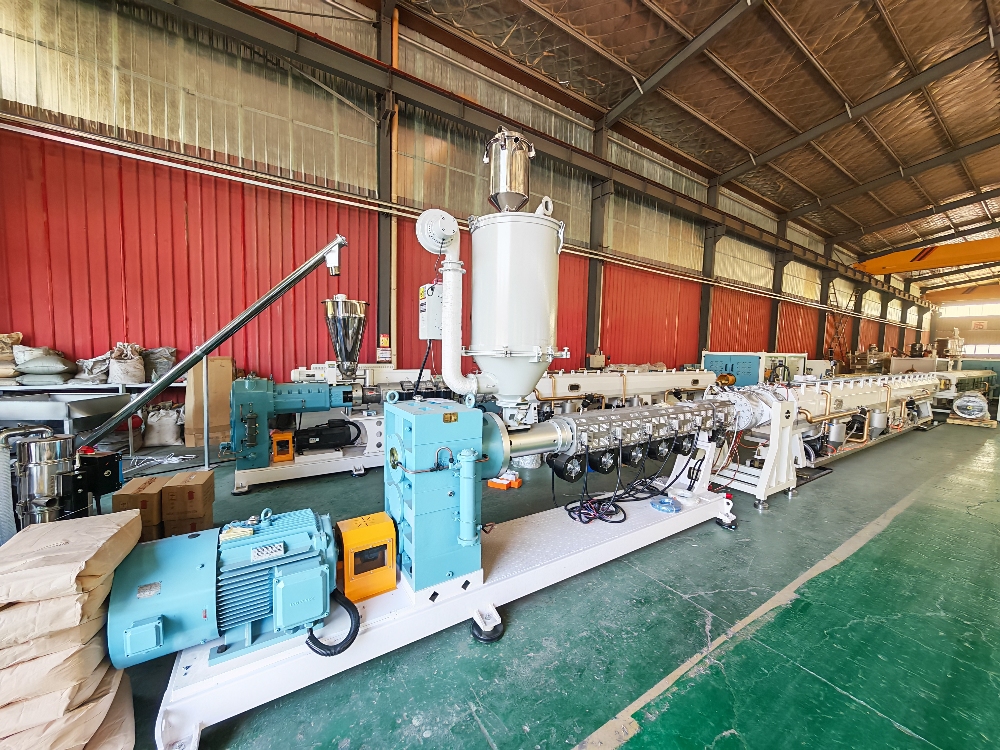
Implementing smart sensors and real-time monitoring systems has transformed the way factories operate. These tools track every aspect of production, from machine performance to material flow, allowing for immediate adjustments and reducing costly downtime. With data-driven insights, managers can optimize workflows, predict maintenance needs, and enhance overall productivity, making operations more agile and responsive.
Automation technologies, such as robotic arms and AI-driven assembly lines, streamline repetitive tasks and minimize human error. By integrating these systems, manufacturers achieve faster production cycles and higher precision in output. This not only boosts output rates but also frees up human workers to focus on complex problem-solving and innovation, creating a more dynamic and efficient environment.
Lean manufacturing principles, combined with digital tools, foster continuous improvement and waste reduction. Techniques like just-in-time inventory and value stream mapping help eliminate bottlenecks and unnecessary steps. Emphasizing collaboration and data transparency, this approach ensures resources are used effectively, leading to sustainable growth and a competitive edge in the market.
Applications Across Diverse Industries and Pipelines
From manufacturing floors to research labs, this technology adapts seamlessly to varied industrial needs, boosting efficiency and innovation. Its versatility supports applications in sectors like agriculture, where it optimizes crop management, and logistics, enhancing supply chain accuracy.
In creative fields, it empowers designers with novel tools for prototyping, while in healthcare, it accelerates drug discovery by streamlining data analysis. This broad applicability makes it a game-changer, consistently delivering tailored solutions that meet specific operational demands.
Beyond traditional use cases, it bridges gaps in emerging industries, such as renewable energy, where it aids in predictive maintenance, and in finance, by improving risk assessment models. Its flexibility across pipelines ensures robust performance, fostering growth and adaptability in a rapidly evolving market.
Sustainability and Environmental Benefits in PE Pipe Production
Polyethylene (PE) pipes are increasingly favored in modern infrastructure projects due to their inherent sustainability advantages. A key benefit lies in their long lifespan, often exceeding 50 years, which reduces the need for frequent replacements and lowers resource consumption over time. This durability minimizes waste and energy use associated with manufacturing new pipes, contributing to a more circular economy. Additionally, PE pipes are corrosion-resistant, preventing leaks that could contaminate soil and water, thus protecting ecosystems from harmful chemical runoff.
The production process of PE pipes itself is designed with environmental stewardship in mind. Many manufacturers now use recycled polyethylene as a raw material, diverting plastic waste from landfills and oceans. Innovations in extrusion technology have further cut down on energy requirements and emissions during manufacturing. These efforts not only shrink the carbon footprint of the pipes but also align with global initiatives to reduce plastic pollution, making PE a smart choice for eco-conscious projects.
Beyond the factory, PE pipes offer sustainability benefits during installation and use. Their lightweight nature means less fuel is needed for transportation, and they can be joined using heat fusion without chemical adhesives, avoiding toxic byproducts. This minimizes on-site environmental impact and enhances safety. As communities prioritize green infrastructure, these features position PE pipes as a forward-thinking solution that supports both environmental health and operational efficiency.
Operational Advantages for Seamless Pipe Installation
When it comes to seamless pipe installation, the operational efficiencies can transform projects from tedious to streamlined, cutting down on labor and time in ways you might not expect. Without welded joints to contend with, installers often find they can lay pipes faster and with fewer interruptions, which means fewer chances for errors or delays on-site. This smooth flow isn't just about speed—it reduces the need for complex welding equipment and specialized skills, making the process more accessible and cost-effective for teams of various sizes.
Another key advantage lies in the enhanced reliability and durability that seamless pipes bring to the table. By eliminating weak points like seams or joints, these pipes are less prone to leaks, corrosion, and pressure failures over time, which translates to lower maintenance costs and longer service life. In practical terms, this means fewer call-backs and repairs for maintenance crews, allowing projects to stay on schedule and within budget without the hassle of frequent inspections or fixes.
Moreover, the simplicity of seamless pipe installation often leads to better adaptability in challenging environments, whether it's tight spaces or variable conditions. Installers can maneuver these pipes more easily, reducing the need for custom fittings or adjustments that might slow things down. This flexibility not only boosts productivity but also enhances safety on the job, as it minimizes the risks associated with complex assembly processes, giving teams peace of mind while they work.
Future Trends and Developments in Pipe Fabrication Equipment
The pipe fabrication industry is rapidly evolving with a clear shift towards automation and smart technology integration. Modern equipment now incorporates AI-driven systems that optimize cutting and welding processes, reducing waste and enhancing precision. This not only speeds up production but also minimizes human error, making operations safer and more efficient.
Another key trend is the rise of modular and flexible designs in fabrication machinery. Companies are investing in adaptable systems that can handle a variety of pipe sizes and materials without extensive reconfiguration. This flexibility allows for quick response to custom orders and market demands, giving fabricators a competitive edge in fast-paced industries like oil and gas or construction.
Sustainability is becoming a major focus, leading to the development of energy-efficient equipment and eco-friendly practices. New machines are designed to lower energy consumption and reduce emissions, while the use of recyclable materials in pipe production is gaining traction. These advancements not only help meet environmental regulations but also appeal to clients prioritizing green solutions in their projects.
FAQ
Top PE pipe machines stand out by incorporating advanced technologies like precision extrusion control and automated quality monitoring, which enhance production efficiency and reliability compared to standard models.
Advanced solutions boost efficiency through features such as integrated cooling systems and real-time data analytics, reducing energy consumption and minimizing production downtime.
Key features include multi-layer co-extrusion capabilities, IoT connectivity for remote monitoring, and robust servo-driven mechanisms that enhance precision and adaptability in various manufacturing conditions.
Automation streamlines processes by enabling consistent wall thickness control and automatic defect detection, leading to higher output quality and reduced labor costs.
These machines promote sustainability by optimizing material usage with minimal waste, incorporating energy-efficient motors, and supporting the production of recyclable pipes for eco-friendly applications.
Manufacturers should evaluate factors like scalability for future upgrades, maintenance requirements, and compatibility with existing production lines to ensure long-term value and operational flexibility.
Conclusion
The realm of polyethylene (PE) pipe manufacturing is undergoing a significant transformation, driven by advanced PE pipe machinery designed to optimize efficiency and quality. These top-tier machines incorporate innovative technologies, such as computer-controlled extrusion and automated quality monitoring systems, which enhance production precision and reduce material waste. Key features, including high-speed throughput and integrated cooling mechanisms, significantly boost manufacturing efficiency, ensuring consistent pipe dimensions and superior strength. Furthermore, these advancements support sustainability goals by minimizing energy consumption and utilizing recyclable PE materials, contributing to environmentally friendly production processes. The operational advantages extend to seamless pipe installation, with machinery producing pipes that feature easy jointing systems, reducing on-site labor and installation time, thereby streamlining projects across various sectors.
Applications of these advanced PE pipe machines span diverse industries, from municipal water supply and gas distribution to industrial and agricultural pipelines, highlighting their versatility and reliability. Looking ahead, future trends in pipe fabrication equipment point toward further automation, smart sensors for real-time data analytics, and the development of more durable, corrosion-resistant materials. This evolution promises to enhance operational efficiency even further, making PE pipe manufacturing not only more cost-effective but also adaptable to emerging infrastructure needs. By integrating these aspects, top PE pipe machines stand out as pivotal solutions, offering a blend of innovation, sustainability, and practical benefits that set new standards in the field.
Contact Us
Contact Person: Ms Qin
Email: [email protected]
Tel/WhatsApp: 8613583233866
Website: https://www.yongteplast.com