

Top RFID Labels: Streamlining Asset Tracking with the Best Tags
2026-05-06
Keeping tabs on high-value assets shouldn't feel like a scavenger hunt. Yet for many businesses, misplaced equipment, inventory blind spots, and manual counting errors still drain time and money. RFID technology has long promised a better way—but not all tags are created equal. Whether you're tracking tools on a construction site or monitoring medical devices in a hospital, the right RFID label can mean the difference between seamless visibility and persistent headaches. At OSRFID, we've tested and deployed thousands of tags across industries to find what actually works in the real world. In this post, we break down the top RFID labels that deliver reliable reads, durability, and cost-efficiency—so you can stop searching and start streamlining.
The Hidden Power Behind Flawless Asset Tracking
Flawless asset tracking isn't just about scanning barcodes or pinging GPS devices. It's the quiet choreography of sensors, software, and human insight that transforms raw location data into dependable action. When a shipment arrives exactly on schedule or a critical tool is always where it should be, that reliability stems from layers of integration most users never see—edge computing filters noise, APIs bridge siloed systems, and anomaly detection flags issues before they escalate. The real magic lies in how these elements anticipate needs rather than merely react.
Beneath the surface, machine learning models digest patterns that would overwhelm any manual process, learning from past delays, weather shifts, and even traffic quirks to reroute on the fly. This isn't about flashy automation; it's about building a memory that sharpens with every shipment. Meanwhile, frontline workers tweak and override based on ground-level judgment, closing the loop between algorithmic suggestion and practical reality. The result feels effortless, but it's actually a constant negotiation between data streams and human context.
What truly sets apart the best tracking systems is their ability to make complexity invisible. Instead of drowning users in dashboards, they distill insights into simple nudges: a subtle warning when a cold chain wavers, a reorder trigger based on actual consumption, a maintenance heads-up derived from vibration trends. This quiet intelligence doesn't demand attention—it earns trust by fading into the background, letting people focus on bigger decisions while the details take care of themselves.
Picking Tags That Actually Survive the Real World
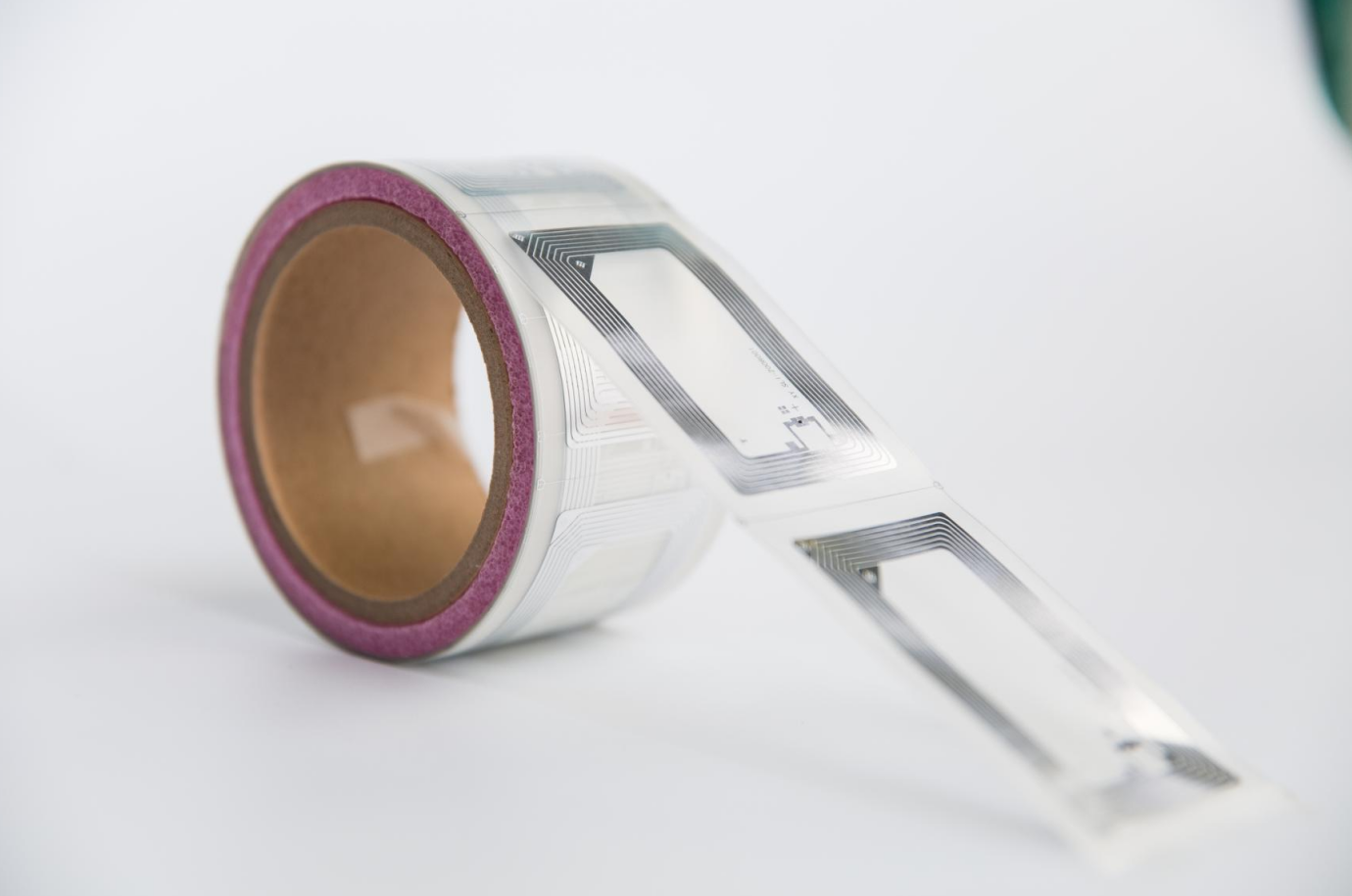
Not all tags are cut out for the chaos of daily life. Some look pristine in the shop but fade after the first wash or snap off when snagged on a door handle. The trick is choosing materials and designs that embrace wear rather than fight it. Anodized aluminum tags, for instance, develop a subtle patina over time instead of flaking paint. Thick, full-grain leather becomes softer and more distinct with scratches. The goal is longevity through character, not perfection.
Attachment hardware is just as critical as the tag itself. A beautifully engraved brass plate means nothing if its split ring bends open after a month. Swapping standard rings for locking stainless steel versions or riveting the tag directly to a rugged strap can make the difference between a keepsake and another lost item. Look for solid rings with no weak points, and consider the everyday hazards your tag will face – gym sweat, saltwater, or the constant jostle of keys.
Finally, consider the information itself. Laser engraving can be crisp but may become illegible if the surface gets scuffed. Deep hand stamping or embossing holds up better against abrasion. Some makers even embed a secondary copy of your details inside the tag or use a unique code linking to a recovery profile. This way, even if the tag takes a beating, the most important part – your ability to get it back – stays intact.
Environment First: Matching Labels to Their Playground
Every label tells a story, but it only makes sense when placed in the right setting. Think of a recycling symbol on a plastic bottle—it’s not just a mark; it’s a call to action that only works if the bottle ends up in the correct bin. The playground for that label is the recycling facility, not a landfill or the ocean. When we ignore this connection, the symbol loses its purpose, and the environment pays the price.
Matching labels to their playground isn’t just about knowing what goes where. It’s about creating a seamless flow from product to disposal. A compostable sticker on a coffee cup means nothing if the cup lands in a trash can headed for incineration. The label and its environment must align like a key in a lock—otherwise, we’re just decorating our waste with empty promises.
This mindset challenges us to redesign our habits. Instead of blindly trusting labels, we need to ensure that the infrastructure exists to honor them. Whether it’s pushing for better composting programs or clearer signage on public bins, the goal is to make the playground truly ready for the labels we print. Because a label without its proper place is just noise, and the earth deserves better than noise.
Placement Tricks That Prevent Costly Read Failures
Placing components a little further apart than the bare minimum can save a board from expensive rework. When parts sit too close, solder bridges form more easily under thermal stress, and reflow inconsistencies become harder to catch in inspection. A bit of breathing room near high-pin-count devices lets the paste settle evenly and reduces the chance of cold joints that only show up after the board is in the field.
Orientation choices matter just as much as spacing. Rotating similar parts the same way keeps assembly consistent, but deliberately mixing orientations for polarized capacitors or connectors prevents accidental reversal during hand placement or rework. It’s a small habit that stops a backwards diode from taking down an entire power rail, saving hours of debugging.
Don’t overlook the board edge and mounting holes. Keeping sensitive analog traces away from the perimeter avoids stress fractures during depaneling, while leaving clearance around mounting hardware prevents shorts when washers shift over time. These are not rule-check violations, but they cause read failures that look like faulty firmware and send engineers down rabbit holes.
When a Simple Label Overhaul Saved Millions
Few people realize how much a label can cost a company. A major food manufacturer once audited its packaging and discovered that a glossy, full-spectrum label with multiple foil accents was devouring the budget. The complex print process needed special inks and longer drying times, while the custom die-cut shape led to higher waste during application. Simple changes started to look like opportunities rather than sacrifices.
The redesign team stripped away the superfluous layers. They switched to a matte finish, consolidated from eight spot colors to a clean four, and standardized the label across product sizes to eliminate tooling changes. The result was a label that printed faster, tore less on high-speed lines, and still popped on the shelf thanks to strategic use of negative space. Within the first quarter, material and labor savings crossed the seven-figure mark.
The unexpected bonus came from consumer feedback. Buyers perceived the simpler design as more upscale and transparent, which quietly lifted repeat purchases. What began as a cost-cutting exercise ended up reinforcing the brand’s image and adding millions back to the bottom line every year—proof that sometimes less really is more.
What’s Next: Smarter Tags for Smarter Inventory
Imagine a warehouse where every item communicates its exact location, condition, and age in real time. This isn't science fiction—it's the next phase of smart tagging. By embedding low-cost RFID and sensor-based tags directly into products, businesses can move beyond periodic stock counts to a continuous, automated view of their inventory. The result is less guessing and more precision when it matters most.
These advanced tags don’t just answer “what” and “where.” They’re being designed to detect temperature shifts, sudden impacts, or even unauthorized movement. For industries handling perishable goods or high-value assets, this means alerts before spoilage happens or theft goes unnoticed. The data streams straight into analytics platforms, turning storage spaces into responsive ecosystems rather than static holding areas.
What truly sets the next generation apart is how tags interact with other systems. Instead of isolated scans, they sync with automated picking robots, restocking algorithms, and even customer-facing apps. When a tagged item leaves the shelf, it triggers a replenishment order only when necessary, based on actual demand patterns. This cuts both shortages and overstock, making the entire supply chain feel less like a series of guesses and more like a fluid, intelligent loop.
FAQ
RFID labels can be scanned without line-of-sight, allowing bulk reading of multiple items simultaneously, which dramatically speeds up inventory counts and reduces human error compared to manual barcode scanning.
For outdoor use, you’ll want durable labels with weather-resistant materials like polyester or ceramic, and a strong adhesive that withstands temperature swings, UV exposure, and moisture. Also, pick a label with a rugged chip design that can handle physical impact.
Yes, but you need special on-metal RFID labels. These have a foam or ferrite backing that isolates the tag’s antenna from the metal surface, preventing signal detuning and ensuring reliable reads even on machinery, tools, or IT servers.
Standard passive UHF labels can be read from 15 to 30 feet, but performance varies based on the tag’s antenna size, the reader’s power, and environmental factors like shelving density. For large warehouses, you might use labels with optimized antennas to push range further.
Absolutely. Medical-grade RFID labels made with materials like polyimide or ceramic can withstand autoclave cycles, gamma radiation, and harsh chemicals. They’re used on surgical instruments and implants to maintain traceability through repeated sterilization.
Most modern RFID readers come with APIs or middleware that translate tag data into formats your ERP can ingest, like JSON or XML. You’ll typically map tag IDs to asset records, and then use automated data capture to update location, status, or maintenance logs in real time.
Passive labels draw power from the reader’s signal and are slim, low-cost, and maintenance-free—ideal for tracking high volumes of smaller assets. Active tags have a battery, broadcast signal continuously, and offer long read ranges (up to hundreds of feet), which suits large containers or vehicles moving across expansive sites.
Yes, some manufacturers now offer RFID labels on paper-based substrates with recyclable antennas, and even biodegradable inlays. While not universal yet, the push for sustainable logistics is driving innovation in green RFID solutions, especially for retail and logistics.
Conclusion
Behind every seamless asset tracking system is an RFID label tough enough to survive the chaos it lives in. The real power isn’t just in the chip—it’s in picking tags that laugh off freezing warehouses, steamy laundries, or the abrasive swing of a forklift. Too many operations grab the cheapest sticker and wonder why reads fail, not realizing that a label optimized for a dry office will ghost in a wet industrial kitchen. Matching the tag to its playground means dissecting the exact interplay of metal, liquid, and interference, then fusing that with placement tricks: angled edges to dodge reflection, protective overlays at impact points, and strategic spacing that turns blind spots into reliable capture zones. One logistics team transformed their entire workflow not by buying new scanners but by simply swapping to tags that bond to curved metal without peeling, instantly slashing misreads and manual recounts.
A well-tuned label strategy quietly rewires the bottom line—one manufacturer saw millions saved not from a flashy overhaul but from replacing cracked, dead-on-arrival tags with flexible hybrids that bent where rigid ones snapped. That move cut replacement labor and downtime simultaneously, proving that durability isn’t a luxury but a direct cost lever. Looking ahead, smarter tags are shedding passive limitations: they now embed tamper alerts, self-diagnose detachment, and feed live environmental data into inventory platforms, turning every tracked asset into a tiny informant. This shift from mere identification to condition-aware intelligence means tracking becomes predictive, not reactive. The best RFID tags shed their label status entirely, becoming quiet partners that cling to assets through heat, vibration, and time—so operations finally stop babysitting data gaps and start watching their workflows run clean.
Contact Us
Contact Person: Esme Mo
Email: [email protected]
Tel/WhatsApp: 0086 191 2931 7837
Website: https://www.osrfidglobal.com/