

Top Solar Tracking Mounting System Supplier: Powering Renewable Energy Innovations
2026-01-17
In the dynamic world of renewable energy, solar tracking systems are revolutionizing efficiency and output. As a leader in this field, Energet Solar stands out as a top supplier, driving innovations that power sustainable futures. What makes their mounting solutions exceptional, and how do they contribute to the global shift towards cleaner energy? Dive into this blog to explore the cutting-edge technology and impactful advancements behind their systems.
Leading Solar Tracking Systems: Enhancing Efficiency in Renewable Energy
To capture the sun's full potential, leading solar tracking systems have emerged as a game-changer in the renewable energy sector. Unlike traditional fixed panels, which remain stationary and often miss optimal angles, these advanced systems dynamically adjust their position throughout the day. This constant realignment allows panels to follow the sun's path from sunrise to sunset, significantly boosting energy capture—sometimes by as much as 20-30% compared to static setups. It's a smart move toward maximizing solar resource utilization, especially in regions with high solar irradiance.
Innovations in tracking technology now offer options like single-axis and dual-axis trackers, each suited to different environments. Single-axis systems, for instance, are widely adopted in utility-scale projects due to their balance of increased output and manageable complexity. Dual-axis trackers, while more intricate, provide even greater precision by adjusting on both horizontal and vertical planes, making them ideal for areas with variable seasonal sun paths or smaller installations where every watt counts. This adaptability ensures that solar farms can tailor solutions to local conditions, enhancing overall project viability.
Beyond hardware, the integration of smart software and sensors has refined tracking accuracy, minimizing energy losses from shading or weather changes. This evolution not only improves efficiency but also contributes to grid stability by generating more consistent power output. As renewable energy targets become more ambitious globally, investing in such cutting-edge tracking systems is proving essential—they're not just an add-on but a core component in driving down costs and accelerating the transition to a sustainable energy future.
Innovative Mounting Solutions for Solar Panels: Boosting Energy Output
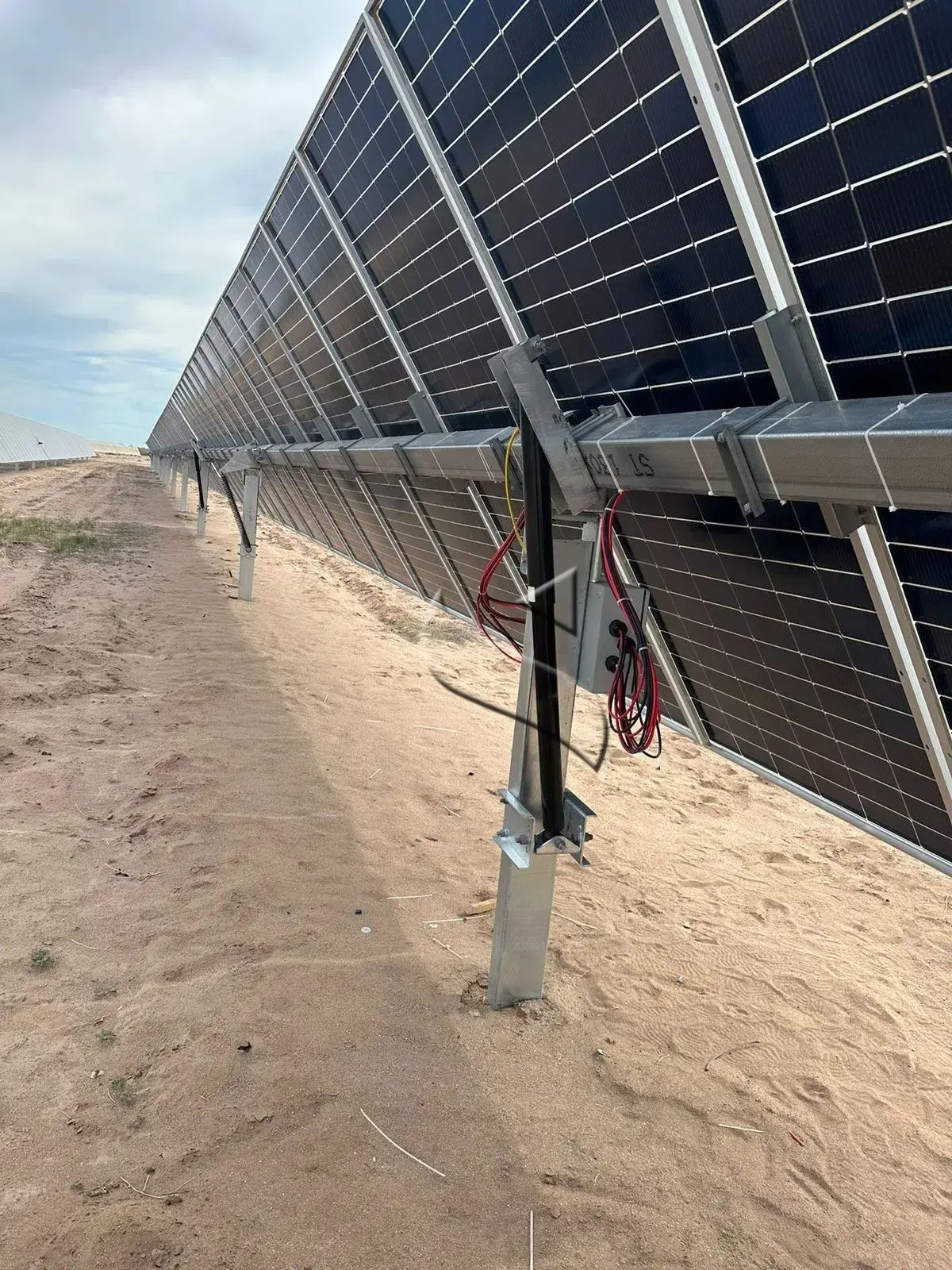
Traditional solar panel installations often rely on standard racking systems that are straightforward but may not always make the most of available space or environmental conditions. For example, in densely packed urban areas or on unconventional roof shapes, these systems can limit the number of panels or their optimal positioning. This restriction can directly impact energy output, as even slight misalignments or shading issues reduce efficiency. However, recent innovations in mounting technology are changing this landscape, offering more flexible and adaptable solutions that can squeeze every last watt out of your solar setup by better accommodating unique site features.
One standout advancement is the development of floating solar mounts, which are gaining traction on water bodies like reservoirs and lakes. These systems not only utilize otherwise unused surfaces but also benefit from natural cooling effects that enhance panel performance, potentially boosting energy yield by up to 10% compared to land-based installations. Similarly, adjustable tracking mounts that follow the sun's path throughout the day can increase energy capture by around 25-30%, making them a game-changer for large-scale solar farms where maximizing output is critical. These innovations go beyond mere installation; they actively contribute to higher overall system efficiency, ensuring that solar investments deliver more consistent and robust returns over time.
Beyond mechanical tweaks, smart mounting solutions integrate sensors and automation to fine-tune panel angles in real-time based on weather data and energy demand. This approach allows for dynamic adjustments that counteract issues like dust accumulation or partial shading, factors that often go unaddressed in static setups. By focusing on such nuanced improvements, modern mounting systems not only boost immediate energy output but also extend the lifespan of solar panels by reducing wear from suboptimal conditions. In essence, choosing the right mounting solution is no longer just about securing panels in place—it's a strategic decision that can significantly elevate your energy production and sustainability goals.
Advanced Technology in Solar Tracking: Key Features and Benefits
Modern solar tracking systems represent a leap forward in renewable energy, incorporating sophisticated sensors, precise actuators, and AI-driven algorithms to optimize sunlight capture throughout the day. Unlike static panels that only harness energy during peak hours, these advanced setups continuously adjust to track the sun's movement, significantly boosting efficiency. Key features often include dual-axis tracking for maximum coverage, weather-responsive controls to avoid damage, and integration with smart grids for seamless energy management.
The benefits of such technology extend far beyond mere energy production, offering substantial financial savings and environmental advantages. By increasing energy output by up to 40% compared to fixed panels, users can achieve faster returns on investment, making solar projects more viable in varied climates. Additionally, the enhanced performance reduces reliance on fossil fuels, cutting carbon footprints and supporting global sustainability goals—a feature that appeals to both environmentally conscious consumers and businesses aiming for green certifications.
What sets cutting-edge solar tracking apart is its adaptability and user-centric design, which minimizes maintenance and operational headaches. With remote monitoring capabilities and predictive analytics, these systems can self-diagnose issues and schedule maintenance proactively, ensuring long-term reliability. This practical innovation not only maximizes energy yield but also simplifies adoption for homeowners and large-scale installations alike, fostering wider adoption of clean energy solutions worldwide.
Real-World Applications of Solar Tracking Systems: Case Studies and Success Stories
Solar tracking systems have transformed from theoretical concepts into practical solutions across diverse industries, showcasing their adaptability and efficiency. In the agricultural sector, farms in California's Central Valley have implemented single-axis trackers to power irrigation systems, significantly reducing water pumping costs and increasing crop yields by ensuring consistent energy supply during peak sunlight hours. Meanwhile, in remote regions like the Australian Outback, dual-axis trackers support off-grid communities with reliable electricity, enabling schools and clinics to operate without interruption.
Innovations extend beyond traditional uses, as seen in urban environments where solar tracking installations on commercial buildings, such as the Salesforce Tower in San Francisco, have become architectural features that generate substantial energy offsets. These projects not only cut operational expenses but also serve as visible commitments to sustainability, influencing corporate culture and consumer perceptions. Additionally, tracking systems in floating solar farms, like those in reservoirs in Japan, optimize space utilization and minimize land impact while achieving high energy outputs.
Success stories highlight the economic and environmental benefits of these technologies. For instance, a solar tracking project in a small town in Germany reduced local carbon emissions by 30% over five years, while community solar initiatives in India have empowered rural areas with affordable energy access, fostering economic growth. By integrating real-time data analytics, these systems adapt to changing conditions, ensuring long-term viability and setting new benchmarks for renewable energy applications worldwide.
Sustainability and Environmental Impact: How Solar Tracking Supports Green Energy Goals
Solar tracking systems play a crucial role in advancing sustainability by significantly boosting the efficiency of photovoltaic panels. Unlike fixed installations, these dynamic setups adjust the angle of solar panels throughout the day to follow the sun's path, capturing up to 40% more sunlight annually. This enhanced energy yield means that fewer panels are needed to generate the same amount of electricity, reducing the overall environmental footprint associated with manufacturing and resource extraction. By maximizing the output from each unit, solar tracking helps minimize land use and material consumption, aligning with green energy goals that prioritize resource conservation and reduced waste.
The environmental benefits extend beyond efficiency gains to directly impact carbon reduction efforts. Solar tracking enables more consistent and reliable energy production, especially during peak sunlight hours, which can displace fossil fuel-based power sources. For instance, in regions with high solar potential, these systems can contribute to a substantial decrease in greenhouse gas emissions by providing clean electricity that supports grid stability. This reliability helps integrate renewable energy into existing infrastructures, fostering a transition away from carbon-intensive alternatives and supporting global initiatives like the Paris Agreement targets.
Innovations in solar tracking technology further enhance sustainability by incorporating eco-friendly materials and smart design features. Modern systems often use lightweight, durable components that require less maintenance and have longer lifespans, reducing the need for frequent replacements and associated environmental impacts. Additionally, some trackers are equipped with automated controls that optimize performance based on weather conditions, minimizing energy waste. By combining efficiency with adaptability, solar tracking not only meets immediate green energy objectives but also sets a precedent for sustainable practices in the renewable sector, encouraging broader adoption and innovation.
Future Trends in Solar Tracking: Emerging Technologies and Industry Developments
In the coming years, solar tracking technology is poised to evolve beyond traditional single-axis and dual-axis systems, with innovations like AI-driven predictive algorithms that optimize panel angles based on real-time weather data and energy demand patterns. Companies are increasingly integrating IoT sensors for continuous monitoring, allowing for adaptive adjustments that boost efficiency by up to 25% in variable climates. This shift not only enhances energy capture but also reduces wear on mechanical components, cutting maintenance costs and extending system lifespans, making solar installations more viable in regions with inconsistent sunlight.
Emerging materials, such as lightweight composites and flexible photovoltaic cells, are enabling novel tracking designs that minimize structural loads and expand deployment options to unconventional surfaces like rooftops with irregular shapes or agricultural fields. Concurrently, advancements in robotics and automation are fueling the development of autonomous solar farms, where drones and robotic arms perform real-time adjustments and diagnostics, reducing human intervention and improving safety. These trends are driving a move toward decentralized, modular tracking units that can be scaled easily, supporting the growth of microgrids and community solar projects in urban and remote areas alike.
The industry is witnessing increased collaboration between software developers and hardware manufacturers, leading to integrated platforms that manage tracking alongside energy storage and grid integration. Regulatory incentives and falling costs of advanced components, such as high-precision actuators and smart inverters, are accelerating adoption. As global demand for clean energy surges, these developments position solar tracking not just as an efficiency tool but as a key enabler for grid stability and renewable energy dominance, with forecasts suggesting a doubling of market share within the next decade as technologies mature and become more accessible.
FAQ
It allows solar panels to follow the sun's path, boosting energy production by up to 40% compared to fixed systems, making installations more efficient and cost-effective over time.
Advanced technologies like AI-driven algorithms for precision tracking, weather-resistant materials to withstand extreme conditions, and modular designs for easy scalability in diverse environments.
By maximizing solar energy output, they enable faster displacement of fossil fuels, leading to significant reductions in greenhouse gas emissions and supporting international climate goals.
They offer robust after-sales support, including real-time monitoring and maintenance services, along with custom solutions tailored to specific project needs, ensuring long-term reliability and performance.
Yes, many top suppliers provide retrofit options that seamlessly upgrade fixed installations to tracking systems, enhancing energy yield without requiring major overhauls.
Look for proven track records in durability testing, energy efficiency certifications, and customer reviews that highlight reliability, innovation, and overall value for investment.
They're designed to handle vast arrays with minimal land use, allowing for expansion as energy demands grow, which is crucial for utility-scale solar farms and industrial applications.
By increasing energy output per panel, they lower the overall cost of solar power, making it more affordable and viable for a wider range of users, from residential to commercial sectors.
Conclusion
As a top solar tracking mounting system supplier, our company stands at the forefront of renewable energy innovations by offering leading solar tracking systems that significantly enhance efficiency. By integrating advanced technology, such as precision motors and AI-driven algorithms, our solutions maximize energy capture throughout the day, providing key benefits like increased output and reduced payback periods. This innovation in mounting solutions not only boosts energy output but also adapts seamlessly to various terrains and panel types, ensuring robust performance in diverse installations worldwide.
Our real-world applications, showcased in numerous case studies and success stories, demonstrate the tangible impact of solar tracking systems in supporting green energy goals and sustainability. From large-scale solar farms to commercial rooftops, these systems contribute to environmental conservation by reducing carbon footprints and promoting clean energy. Looking ahead, we are actively exploring emerging technologies and industry developments, such as hybrid systems and IoT integration, to drive future trends and maintain our leadership in powering renewable energy innovations.
Contact Us
Contact Person: Simon
Email: [email protected]
Tel/WhatsApp: 8613672181100
Website: https://energetsolar.com/