

Transform Your Projects: Silicon Steel Vendor Solutions for Top Performance
2026-04-19
In the competitive landscape of project management, the choice of materials can make or break your success. Silicon steel stands out as a crucial component, but harnessing its full potential requires expert solutions. Discover how selecting the right vendor, such as Jiangsu Baowu New Materials, can elevate your projects to new heights of performance and efficiency. This blog explores innovative strategies and insights to transform your approach, ensuring you stay ahead in today's fast-paced industry. Dive in to unlock the secrets behind top-tier silicon steel applications and why partnering with leaders like Jiangsu Baowu is key to achieving breakthrough results.
Optimize Project Efficiency with High-Grade Silicon Steel
High-grade silicon steel isn't just a material; it's a game-changer for projects where efficiency and reliability are top priorities. Known for its low core loss and high magnetic permeability, this steel significantly reduces energy waste in electrical applications, like transformers and motors. By incorporating it, you can achieve tighter performance tolerances and extended equipment life, often translating to lower operational costs over time.
What sets high-grade silicon steel apart is its tailored composition, which minimizes eddy currents and hysteresis losses that typically plague standard steels. This results in smoother, cooler-running components that require less maintenance and reduce downtime in critical systems. For instance, in renewable energy projects, such as wind turbines or solar inverters, using this steel can enhance power conversion efficiency, helping meet sustainability goals while boosting output.
Embracing high-grade silicon steel offers a competitive edge by optimizing resource usage and improving overall project scalability. Whether in industrial automation or smart grid infrastructure, its application leads to more compact, lightweight designs without sacrificing performance. This not only accelerates project timelines but also future-proofs investments against evolving energy standards and demands.
Enhance Performance Through Customized Material Solutions
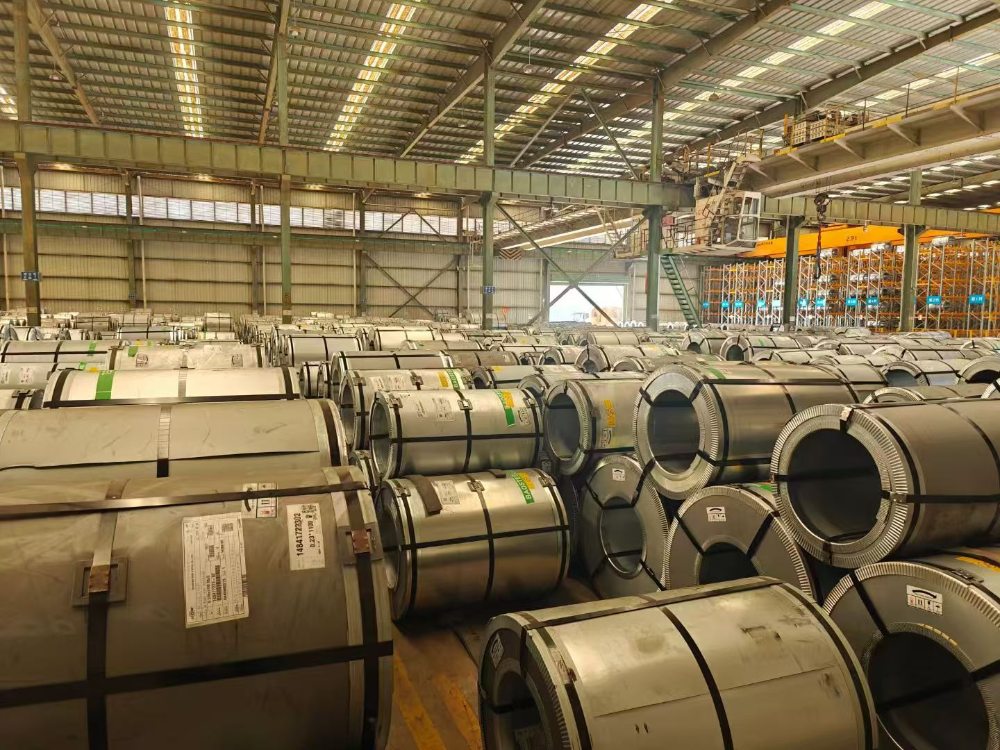
Customized material solutions represent a strategic approach to boosting performance across various applications. By tailoring materials to specific requirements, such as durability, thermal conductivity, or weight reduction, organizations can optimize functionality and efficiency. This process often involves in-depth analysis and collaboration with material experts, ensuring that the final product meets exact operational demands while minimizing waste and cost overruns.
In industries like automotive, aerospace, and electronics, performance hinges on material properties. For instance, using advanced composites can reduce vehicle weight, enhancing fuel efficiency without compromising safety. Similarly, high-performance alloys in machinery can withstand extreme conditions, extending equipment lifespan. These tailored solutions not only address immediate performance gaps but also foster innovation by enabling designs that were previously unattainable with off-the-shelf materials.
Adopting customized material solutions requires a shift from standard procurement to a more integrated design mindset. It involves early-stage material selection, prototyping, and testing to validate performance gains. By focusing on unique material characteristics, companies can achieve competitive advantages, such as faster time-to-market or superior product reliability, ultimately driving long-term success through enhanced operational outcomes.
Leverage Advanced Alloys for Superior Project Outcomes
When it comes to achieving top-tier results in engineering and construction projects, the choice of materials can make or break success. Advanced alloys, with their tailored properties like enhanced strength, corrosion resistance, and lightweight durability, offer a game-changing edge. By integrating these materials, teams can push boundaries in design, extend lifespans of structures, and reduce long-term maintenance costs, ensuring projects not only meet but exceed expectations.
Think about it this way: using standard metals might get the job done, but advanced alloys unlock possibilities that were once considered impractical. For instance, in aerospace or automotive applications, high-performance alloys can withstand extreme temperatures and pressures, leading to safer, more efficient products. This proactive material selection shifts the focus from mere completion to delivering exceptional value and reliability.
Ultimately, leveraging advanced alloys isn't just about using fancy materials—it's about smart investment in project outcomes. It fosters innovation, minimizes environmental impact through improved efficiency, and builds a reputation for quality that stands out. By prioritizing these alloys, you're not just building something; you're crafting a legacy of excellence that pays dividends for years to come.
Streamline Operations with Specialized Vendor Expertise
Working with vendors who bring deep expertise in specific areas can dramatically simplify and accelerate your operational processes. Instead of juggling multiple generalists, partnering with specialists ensures each task is handled by someone who knows the ins and outs of that domain, reducing errors and rework. This targeted approach helps you focus on core business goals while leaving the intricate details to the experts, creating a smoother, more efficient workflow overall.
When you tap into specialized vendor knowledge, you gain access to innovative solutions and best practices that are tailored to your unique challenges. These vendors often have extensive experience in niche fields, meaning they can anticipate issues before they arise and recommend strategies that save time and resources. This collaboration not only optimizes day-to-day operations but also fosters a proactive environment where improvements are continuously suggested and implemented.
Ultimately, leveraging specialized vendor expertise transforms your operations from a series of disjointed tasks into a cohesive, high-performing system. It allows your team to delegate confidently and concentrate on strategic initiatives, driving growth and competitiveness. By building strong partnerships with these experts, you create a foundation for scalable and adaptable operations that can quickly respond to changing market demands.
Boost Reliability by Integrating Premium Steel Components
Integrating premium steel components is a game-changer for boosting reliability in mechanical systems. Unlike standard materials, high-grade steel offers superior strength and durability, reducing the risk of failures under stress. This translates to fewer breakdowns and longer operational life, making it a smart investment for industries where downtime is costly.
By choosing premium steel, you're not just adding parts; you're enhancing the entire system's resilience. These components resist wear and corrosion better than alternatives, ensuring consistent performance even in harsh conditions. It's about building confidence that your equipment will perform when it matters most, without constant maintenance headaches.
What sets this approach apart is the nuanced attention to material quality. Premium steel isn't just tougher—it's engineered for precision fit and compatibility, minimizing friction and energy loss. This thoughtful integration leads to smoother operations and fewer surprises, giving you peace of mind and a competitive edge in reliability-focused markets.
Achieve Peak Performance with Tailored Silicon Steel Applications
In today's competitive manufacturing landscape, leveraging tailored silicon steel applications is key to reaching peak performance in electrical and magnetic systems. Custom-engineered silicon steel grades allow for precise control over core losses, permeability, and saturation levels, directly enhancing efficiency in motors, transformers, and generators. By selecting alloys that match specific operational demands, such as high-frequency environments or extreme temperatures, engineers can minimize energy waste and extend equipment lifespan, leading to significant cost savings and reliability improvements over time.
The process of tailoring silicon steel goes beyond standard off-the-shelf solutions, involving advanced techniques like grain orientation optimization and specialized coating applications. For instance, grain-oriented steel can be fine-tuned to reduce magnetic hysteresis in transformers, while non-oriented variants might be adjusted for balanced performance in rotating machinery. Collaborating with metallurgists to develop bespoke formulations ensures that the material properties align seamlessly with your design goals, resulting in products that not only meet but exceed industry benchmarks for power density and thermal management.
Real-world success stories highlight how companies have transformed their operations by adopting these customized approaches. From electric vehicle manufacturers boosting motor efficiency to renewable energy firms enhancing wind turbine reliability, tailored silicon steel has proven to be a game-changer. By focusing on application-specific needs rather than generic specifications, businesses can unlock new levels of performance, driving innovation in sectors where every watt of efficiency counts.
FAQ
Silicon steel offers superior magnetic properties and reduced energy loss, making it ideal for transformers and motors that require efficiency and durability in demanding environments.
A reliable vendor ensures timely delivery, consistent quality, and technical support, which helps avoid delays and performance issues, ultimately saving costs and enhancing project outcomes.
Consider certifications like ISO, material quality tests, lead times, customer service, and their experience with similar applications to ensure a good match for your specific needs.
Yes, many vendors provide tailored solutions such as specific thicknesses, coatings, or grain orientations to optimize performance for specialized applications like electric vehicles or renewable energy systems.
Its low hysteresis loss and high permeability reduce core losses in transformers and motors, leading to less wasted energy and improved sustainability in operations.
Precision rolling and annealing techniques control grain structure and magnetic properties, ensuring consistent performance and reliability across batches, which is crucial for large-scale projects.
Conclusion
Transforming engineering and manufacturing projects requires more than just standard materials—it demands solutions that elevate every aspect from efficiency to reliability. By optimizing project efficiency with high-grade silicon steel, teams can reduce waste and improve timelines, while enhancing performance through customized material solutions ensures specific mechanical and electrical needs are met precisely. Leveraging advanced alloys leads to superior project outcomes, offering greater durability and performance in demanding applications. This holistic approach is essential for staying competitive in today's fast-paced industries, where every component must contribute to overall excellence.
Success also hinges on streamlining operations with specialized vendor expertise, as experienced partners provide insights that accelerate processes and mitigate risks. Boosting reliability by integrating premium steel components minimizes failures and downtime, supporting long-term stability. Ultimately, achieving peak performance with tailored silicon steel applications allows projects to reach new heights of innovation and effectiveness. These strategies, when combined, empower organizations to not only meet but exceed expectations, delivering robust solutions that drive progress and set new benchmarks in performance. Embracing such vendor solutions is a transformative step toward ensuring top-tier results across diverse projects.
Contact Us
Contact Person: Zoe Liang
Email: [email protected]
Tel/WhatsApp: 86 189 2128 6299
Website: https://www.baowuchina.com