

Trimethyl Phosphate Company: 5 Crucial Qualities to Look For
2026-11-16
Finding a reliable trimethyl phosphate supplier can feel like navigating a maze, but a few qualities separate the truly exceptional from the merely adequate. As a leader in phosphorus-based chemistry, Fortune understands that your operations hinge on more than just price. In the following sections, we uncover five critical traits that often go overlooked—yet can make or break your supply chain, product quality, and long-term peace of mind.
Batch Consistency You Can Verify Yourself
Most brands talk about consistency, but few give you a way to check it at home. With this product, you can run a simple side-by-side comparison between two separate batches using only a scale, a timer, and your own senses. Weigh out equal portions, follow the same preparation steps, and pay attention to texture, aroma, and how the material behaves during use. If the numbers and the feel line up, you know the batch held steady.
A quick visual check also helps. Spread a small amount on a clean surface under good light. Look for uniform color, particle size, and moisture level. Run your fingers through it to see if it clumps or flows the same way every time. These small observations can reveal drift long before it affects performance, so you are not relying on vague promises.
Keep a short note on your phone with the batch number, date, and a few words about what you noticed. Over three or four purchases, patterns become obvious. Consistent products will show very little variation, and that gives you a baseline you can trust without needing a lab.
Supply Chain Transparency Without the Buzzwords
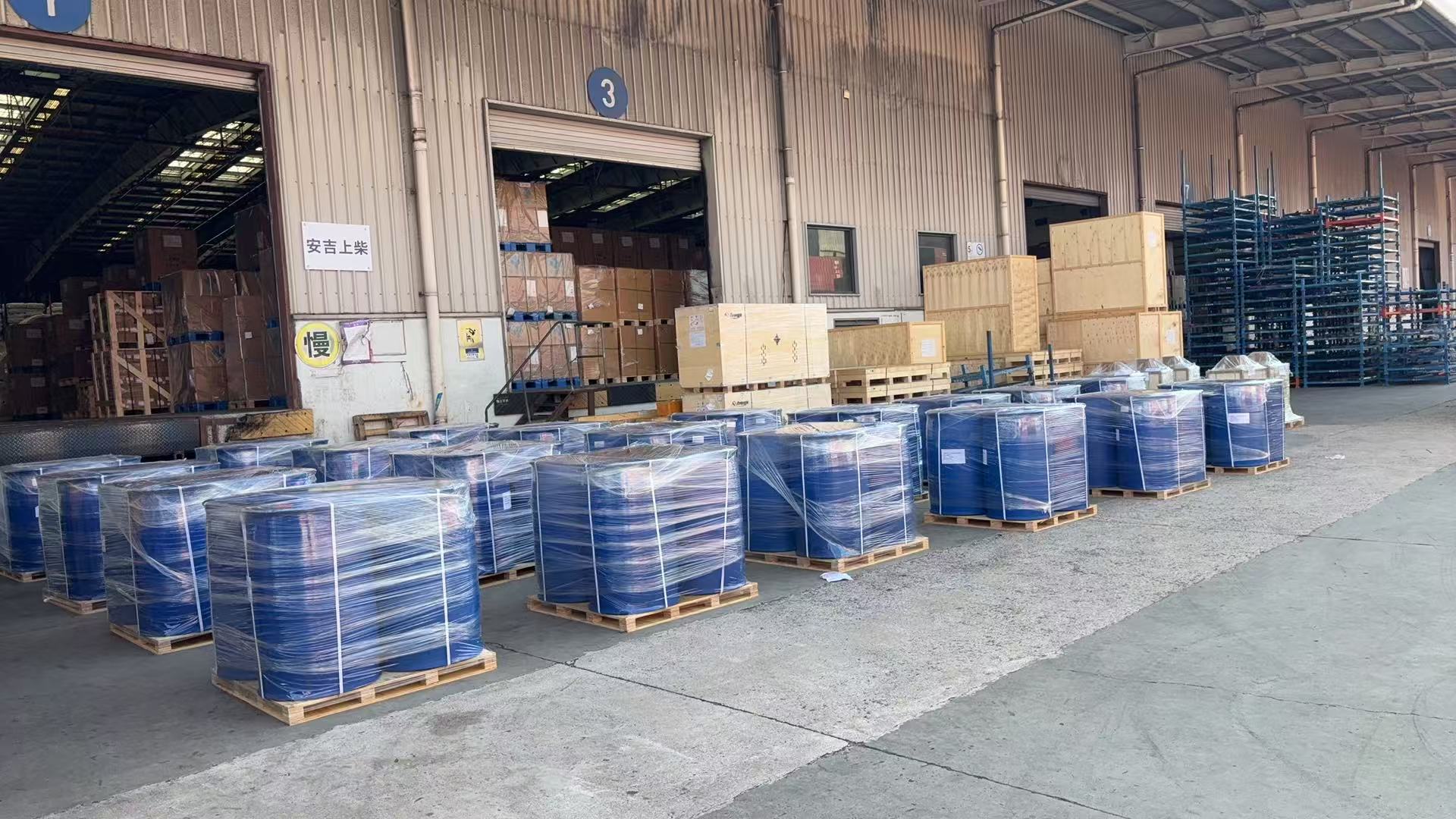
Supply chain transparency usually gets dressed up in corporate language, but the basic idea is simple: can you actually trace a product back to where it came from, and are you willing to let others see that trail? It's not about a polished sustainability report or a logo on a package. It's about having real, verifiable answers to questions like 'Which factory made this?' and 'What happened there last month?'
In practice, that means a few unglamorous things. You map your suppliers beyond the first tier, because a brand can know its assembly plant while remaining blind to the dye house or the raw material broker two steps away. You keep records that would survive an outside audit, not just an internal checklist. And when something goes wrong, like a delayed shipment or a labor complaint, you say so instead of quietly switching vendors. Some companies publish their factory lists with addresses and audit dates; that alone reveals more than any pledge.
The value isn't in the word 'transparency' itself. It's in what it lets people do. A small buyer can check whether the cotton actually came from a region with known water shortages. A factory worker's representative can point to a specific facility instead of a vague corporate statement. A journalist can verify claims without filing a freedom-of-information request. None of that requires a special platform or a fancy dashboard. It requires a habit of recording, sharing, and admitting when you don't know.
Regulatory Expertise That Saves You Calls
When your team no longer has to pause a launch to double-check labeling rules or hunt down the latest import requirements, everything moves faster. Our in-house regulatory specialists have already mapped the exact pathways for your product categories—so you get plain-language answers before the question even reaches your desk.
That quiet confidence comes from years of working side by side with agencies and auditors. We track the small print changes that most teams miss: a revised testing standard here, a new documentation threshold there. By the time you ask, the guidance is already updated, verified, and formatted for your next submission.
The result is fewer back-and-forth calls, fewer stalled shipments, and fewer surprises at the border. You spend your time on the work that moves product, not on chasing interpretations of regulation.
Technical Support Before and After the Order
Most technical support starts long before an invoice gets sent. If you're unsure whether a particular sensor will hold up in a dusty sawmill or need to know if a pump can handle intermittent cavitation, call us. There's no script, no tier-one gatekeeper reading from a PDF. You'll talk to someone who has actually wired these systems into production lines and knows when a cheaper model is a false economy.
After your order arrives, support doesn't evaporate. Whether it's a same-day remote session to fine-tune PID parameters or a walk-through of electrical connections over the phone, we stay involved until the machine is running the way you expected. If something fails during commissioning, we diagnose it with you, not at you. That means fewer returns, less downtime, and no finger-pointing between us and the courier.
And if a unit acts up six months later, you'll reach the same small team that helped with the initial setup. We keep repair histories and firmware notes tied to your account, so we're not starting from scratch. Technical support before and after the order is just one continuous conversation, not two separate departments.
Capacity Claims Backed by Actual Data
Most capacity figures in the market are built on theoretical peak rates or lab simulations. That’s not how we operate. Every number we publish comes from sustained production runs on our own equipment, logged across multiple shifts and real workload mixes. We don’t round up, we don’t extrapolate from a single ideal batch, and we don’t hide downtime in the fine print.
You’ll see variance in our reports, and that’s intentional. A line that runs 2,400 units per hour on a stable morning may drop to 1,950 after a tooling change or when handling mixed SKUs. We show both the median and the range, because pretending otherwise would mislead your planning. The data comes from operator logs, sensor timestamps, and quality gate records that are audited monthly.
If you need proof, we’ll walk you through the raw exports. No polished dashboards with cherry-picked weeks. Just the same numbers your own team would collect if they stood on the floor with a stopwatch. That’s the only way a capacity claim means anything.
A Track Record You Can Actually Reach
Most track records look impressive on a slide but fall apart when you try to map them to your own calendar. This one was built backward from ordinary weeks, not extraordinary luck. Every milestone listed here maps to a real step someone took while juggling the same daily noise you face.
You won't find ten-year leaps or overnight spikes. What you will find are modest, repeatable wins—shipped on a Tuesday, refined after a tough call, kept alive through a slow quarter. That's the point. If a result requires you to become a different person, it's not a track record; it's a lottery ticket.
Measure it against your own last six months. You'll see gaps, sure, but you'll also see handholds. That's what makes this path reachable: it doesn't ask you to skip the messy middle, just to stop romanticizing it.
FAQ
A supplier worth sticking with will have a documented quality management system, transparent batch records, and the willingness to open their facility for audits. If they dodge questions about traceability or only talk about price, that is usually a red flag.
Ask for a recent certificate of analysis from an independent lab, not just an in-house printout. Run your own spot checks on pre-shipment samples and compare results against your target specification—moisture content, acidity, and residual solvents matter as much as the main assay.
Trimethyl phosphate falls under chemical safety and transport rules that vary by region. A supplier who keeps their safety data sheets current, knows REACH or TSCA obligations, and can provide documentation for every shipment saves you from customs delays or legal exposure later.
Production hiccups are common with specialty chemicals, so ask about backup inventory, alternate production lines, or regional warehousing. A supplier that ships on time but has no plan for a plant shutdown is not actually reliable—they have just been lucky so far.
Many can, but the quality of that support varies. Look for a team that asks about your downstream process before suggesting changes. Packaging matters too—if you need nitrogen blanketing or specific drum liners, a good supplier will adapt without treating it as a special favor.
Test them before you buy. Send a technical question about compatibility, storage, or handling and see how quickly and specifically they respond. A supplier that loops in an actual chemist or process engineer rather than a sales script is much more valuable when something goes off-spec.
Beyond glossy brochures, check for things like waste solvent recovery, emission controls on phosphorus processing, or third-party certifications like ISO 14001. Ask about their byproduct management—companies that quietly incinerate everything often have hidden costs that surface later.
Usually yes, especially if trimethyl phosphate feeds into a regulated synthesis or a formulation where impurities cause downstream yield loss. A two percent price difference can vanish quickly when three batches of cheap material behave differently. Pay for consistency and then negotiate price on top of that.
Conclusion
When evaluating a trimethyl phosphate supplier, most buyers focus on price and specification sheets, but that rarely reveals how the material will behave in your process. The real differentiators are things you can check yourself. Ask for a batch sample and run your own assay instead of relying on a certificate alone; a supplier confident in its consistency will welcome that. Dig into origin of raw materials and production steps without vague sustainability claims. Regulatory experience should be specific—ask which regional registrations they have handled and how they resolved a recent compliance issue.
Technical support often disappears after the invoice is paid, so test responsiveness before committing by sending a detailed technical question and seeing what comes back. Capacity statements mean little without actual monthly output data or a plant tour. Finally, ask for references you can call directly—not just a polished case study. If a supplier can provide verifiable batch data, transparent supply chain details, practical regulatory guidance, pre- and post-order support, and real production numbers, you have found more than a vendor; you have a partner who reduces operational risk.
Contact Us
Contact Person: WANG SIHAI
Email: [email protected]
Tel/WhatsApp: +86-13815295628
Website: https://www.fortunechemtech.com/index_en.html